The Necessity of Wasted Time

I treasure the cool mornings in my garden surrounded by the soft sounds of birds twittering with drought tolerant blooms that still have the power to attract butterflies and nourish the bees before we all begin to struggle from the mid-day heat.

This is my time. A time before the day starts. A steaming cup of tea at my side and my cat at my feet. Occasionally, the neighbor’s cats stop by for a quick stroke before they’re off chasing a roly-poly or a grasshopper.
The gardener’s haven’t yet begun their buzzing, blowing, clipping, and mowing, and the traffic sees only a neighbor or two starting their day. It’s serene. Regenerative.

Therefore, when someone recommended I save my “wasted garden time” as a reward for a full writing day, my whole body reassigned itself to the back of the chair as I studied her. I felt profoundly misunderstood.

“It’s quite hot in the afternoon.” I offered. “I can’t really sit outside in the 105 degree heat and feel regenerative.”

She didn’t have an answer to that, but tried to offer another option.

Writer’s, let us be honest, need down time. There are times when things are flowing and we are bleeding words, we sit day and night at the desk or table or in some random chair maybe even at a coffee shop or even in the 105 degree heat in some shaded place in our car while we wait for an appointment and we write and we can’t write fast enough. But there are times, the juncture before those, or the moments after, when ideas percolate.

At times, it may seem we are doing nothing. We are wasting time in our gardens or traveling or walking or doing whatever it is that makes us who we are and fills our well with tranquil reflection. This is the place where our stories lie dormant, waiting for us to give attention to them, offer them life.

Temporary cessation is (sometimes) necessary for regeneration. Consider injuries: Does the doctor tell the athlete, “after you run a few laps, then you can rest it”? Or does the Rest Ice Heat Elevation come before the next laps?

Recreate is to Re Create.

Writing and Critique Groups

Many years ago, I belonged to my first writing/critique group. In the beginning, it was great to get together, talk about writing, and read each other’s work. We were all novice writers.

There was a session when one member, the most critical of all of us, spent the whole time helping a single writer with the few pages she submitted. We didn’t get to the rest. None of us were too worried about it. The point was to help one another. The following session, however, the same member looked at my pages and threw up her hands, “I don’t even know what to do with this.” And she offered nothing. The rest of the group was as surprised as I was.

I don’t know what about those pages ticked her off that she wouldn’t respond to them but driving home that day I realized I was not in the right group. I didn’t attend again, and the group disbanded soon after.

Finding the right group has to be one of the hardest tasks a writer faces. Of course, we want writers equal to or better so the feedback is helpful. Personalities matter as well. If there is someone who waxes too critical without being helpful or another who is overly helpful and won’t be critical – neither is furthering the work.

Some writers might have different values.

One writing group was run by a well known editor. She had a certain way of doing things and everyone needed to do it her way. I respected her opinion. We got on well, even if sometimes we disagreed. One woman quit after a month. She didn’t see how all of our very different work and styles benefited from sounding all the same.

I stayed with that group a little longer, valuing the feedback I received. But then it was time to move on.

My writing and critique partner who lasted the longest offered me the greatest feedback. The more we read each other’s work, the more we talked about our goals for each individual piece, the better partners we became. And, we became lifelong friends along the way. Her work is sensitive, detailed, almost understated. And even though our writing was different, we understood each other’s voice and values. We were able to give each other helpful feedback on a regular basis. Her infirmities have left her without a creative streak. And as she tries to heal, I cannot ask her to read my work.

The few writer’s conferences I’ve attended have drawn people to me – but they are looking for a teacher, a mentor, and I can’t mentor all of them and still have time to write.

There were a few authors I would like to remain in contact with, but they have their own critique groups and want to charge outsiders for their services.

Critique services are good for editing, perhaps some are good for storylines. But trusting someone who doesn’t know you or your goals often ends with needs unmet and the critique unsatisfying.

Maybe a writer doesn’t need a writing group or critique group after a certain point. But writing is so solitary,it helps to surround oneself with like minded individuals.

Rage Writing

Lately, I’ve struggled to write. Distractions or, maybe, a war with writer’s block. Ideas bloom, but nothing flourishes.

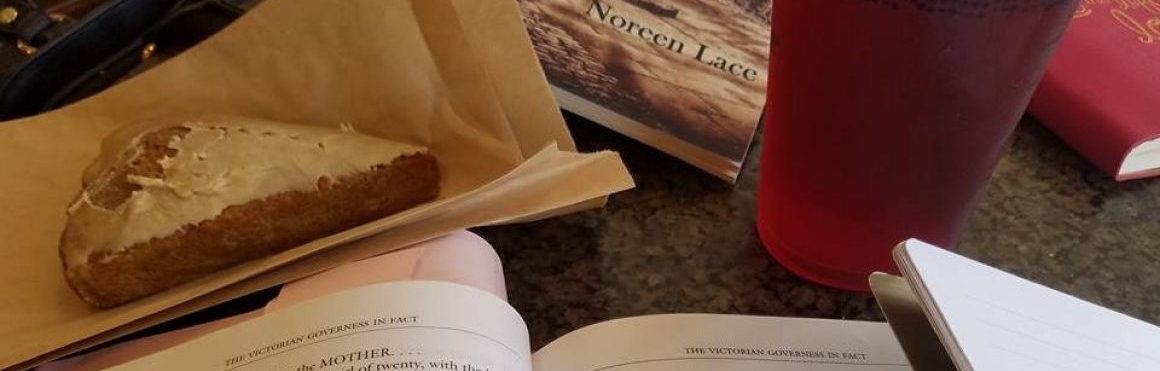
I moved from my comfort zone. That lovely, warm death of a comfort zone. We should destroy them all! I started going elsewhere to write. Many of us write escape the comfort and distractions of home by fleeing to the local coffee house the house. The noise, the activity, and the lack of chores calling to us helps.

The other day, errands unending, I dropped everything – except my computer – and rushed out of the house. While driving, I considered everything I would write as soon as I arrived.

Yet, as I lucked into a good seat, grabbed a cuppa – my creative mind became dark, dank, and blank.

Frustrated, I opened another document and poured it all out. I wrote out everything that annoyed me, pissed me off, enraged me for the last while. Things I wouldn’t normally complain about.

It worked! My writing flowed!

Often, to glow in gratitude, I push off those little annoyances, small worries, not wanting to complain about things that aren’t that big of a deal or will, sooner or later, resolve themselves. But, now I wonder.

Has my lack of complaining mean I’ve been holding back?

Sitting at home this morning, I opened the story I’ve been working on and ….. notta.

I opened my other document, the one I am now going to call RAGE, and wrote. It’s a freewrite of all my worries, concerns, annoyances, little things like the broken light to larger things that aren’t working out as planned. I don’t hold back.

Ah… FREEDOM!

In a few minutes, I switched over to my current story and found flow. My story is coming together. I’ve accomplished more in the last week than I have the whole three weeks prior. I feel more focused, clear, and able to make decisions about the direction of the story.

Try this, please! If you’re struggling with a story, or writing in general, just start rage writing whatever comes to mind, and then take a deep breath, and move over to your story. Let me know if it works for you!

Pain Between the Lines

As I mentioned previously, I was cleaning when a pile of my old journals fell on me. As I’ve been working on memoir, it seems that my journals were screaming, open me, open me! I thought – yes, there’s probably plenty of hidden stories just waiting for me to bring the to life again.

Yet, I haven’t opened one.

There’s a lot of pain between the lines of those journals. It’s hidden now, stored away, somewhere deep inside of me and inside of a box at the bottom of the closet – lest they jump out and attempt to injure me again.

I still think there’s a reason that they fell on me that day. It was, perhaps, a message, a sign for me to open and suck out the pain of the past, use it for my stories, for my memoirs.

I’ve written a number of short memoir pieces and they’ve been published nearly immediately. Good, short memoir, I suppose, it difficult to find for literary journals.

Memoir is important as it is healing – I’ve written about that point a lot; however, it is not only healing to the author, but to the reader. A memoir helps the reader understand they are not alone in their pain and that someone out there survived and thrived.

So – yes – I know, I have to go back into those books. I have to push myself to open them. I have to make sense of them now, as an adult, or even some years away from whatever I might read, and perhaps I can heal little pieces of my chipped soul. And others may understand that they are not alone.

The Stationary State of Distraction

When people say they are distracted, there’s an image of flurried movement from one thing to another; however, for me, it’s a fixed state of forfeiture. As if I’ve lost something, given something up.

It’s a vexing feeling of loss and sorrow. Sometimes, I feel I’m unable to change the course of distraction.

It seems, in attempting to change the course of distraction, we become more distracted. We try different things, move to different locales, tell ourselves we need to take a vacation, or maybe try meditation, or even – yes – make a schedule!

But they’re all just distractions that stop us from doing what we need to be doing. For me, this is writing!

At this very moment, I’m listening to an exercise to help me keep focus while making tea, waiting for a phone call, and writing this blog! Multi-tasking is the inroad to distraction!

What’s worse – I suck at sales – and I’m told I need to make videos to market myself and my books. Yes, that’s exactly what I need to do. Distract myself some more figuring out how to make videos to upload to social media.

I rolled out of bed a few hours ago. I’ve been sitting here, off and on, trying to write. I have not even brushed my hair. If I were to put this blog in video format, I would want to brush my hair, brush my teeth, clean the house or at least the background, put on some make up, wear something other than my favorite t-shirt… more time, more distractions to keep me from what I need to be doing, which is writing.

I totally get some of you are doing this. Congrats, friends. I need your secrets!

I suppose many people call this monkey mind (I hate that term), but it’s accurate. Moving from one thing to another – mentally – even if I’m sitting in one place. There seems like I have so much to do.

The truth is – I’ve done this before. I’ve been in the stationary state of distraction and moved not so smoothly to the state of active focus on my writing. I need two things to make this happen. The first: I really need to shut down all the things I need to do. They can be done later without resulting injury or death. Second: focus on something I want to write.

Instead of all the have-to’s and should’s, I just need to enjoy writing again. That usually begins with loving the characters, interested in the storyline. Maybe even start something new and exciting instead of trying to rework something that doesn’t seem to be working. When focus is achieved and I feel that other work that needs more work is worth my time, then I can move back to it.

Aaaahhhh…. now I feel better.

Out of Life’s School of War…

A friend once said to me – they stole the life you were supposed to have! I was surprised by her angered response about something from my past. I’d never considered that anything had been stolen from me, taken from me, or that I missed out on anything in particular having not had the perfect childhood. See, I don’t believe there is a perfect childhood.

I remember a young woman saying, “my life would have been so much better if I’d had a father.” She was bemoaning the fact that she was raised by a single mother. And I said, “What if you had a father that beat you and your mother? What if he drank? What if you had a father that stayed out all night or didn’t work for a living?” She fumed – how can you say that?

People have this image in their heads of how things are supposed to be and they lament what they believe they do not have or what they’ve lost. They believe their lives might have been magically transformed had that …. blah.. blah.. blah… been different or perfect. I consider – it could have been worse!

I’ve just always taken the experience at face value. My parents made mistakes. Everyone’s parents make mistakes. But you get what you get and you make the best of it.

In watching the Arnold Schwarzenegger documentary, he said his tyrant of a father motivated him to do more, to do better; he says, if it wasn’t for his father, he would have never left his small town.

YES! Had it not been for the childhood I experienced, I may not have been so incredibly motivated to escape, to do better, to strive for more.

The truth is – like Schwarzenegger’s brother – some people don’t get out. They stay stuck. That was my worse nightmare.

My experiences of lack have informed my writing, have inspired me to strive for more, have helped me develop empathy and compassion. My shitty childhood motivated me to do more, want more, be more.

When I write about the past, I am not wailing about it. I’m praising the resilience I gained to overcome life’s challenges!

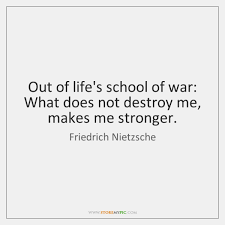
Nietzsche’s whole quote: “Out of life’s school of war: what does not destroy me, makes me stronger.

It’s a much abused and misquoted line. Maybe even I am oversimplifying it.

It’s a choice. You can choose to let the school of hard knocks keep you down, or you can choose to get back up. It’s hard sometimes to keep fighting – and you have to refine your technique. But you can win. And it’s not by looking back and wishing for what might have been, but by looking and moving forward.

Create the life you want.

Dad’s Pancake Breakfast

We’d just left Collinwood in our rear view for a better neighborhood. No gang fights at this school. No bars at the end of every block. No kids sniffing glue in the churchyard.

Back then, Shaker was far away from the gritty streets of the city. The blocks wound around in curved patterns, trees and bushes, grass and squirrels surrounded us. The main street consisted of two lanes and a transit to bring riders to the square which housed an art gallery, upscale shops, and restaurants.

The neighbor next door brought over cookies. My mother grew strawberries in the yard. And for a brief shining moment, we had a life that seemed pretty normal, like what other families might have.

On Sunday mornings, my father would call upstairs – who’s coming? And some of us or all of us would race downstairs and hop into the car. My father was taking us to the McDonald’s All-You-Can-Eat-Pancake-Breakfast.

“For ten bucks,” my father said, “I can feed the whole family. Eat your fill!”

We’d eat pancakes, talk and laugh, and eat more pancakes. He’d raise the paper in front of his face and allow us to sit longer, talk about hair and make up and boys. Or maybe we talked about the music on the brand-spanking-new MTV.

For me, it wasn’t the All-You-Could-Eat, and it wasn’t the pancakes. We’d never really done this before. We hadn’t gone out as a family. We would order pizza. We would occasionally be treated to McDonald’s or Red Barn, but we never went out to sit down and eat. Part of it was money. Eating out takes money and we didn’t have any. This was evidenced when my mother pawned her wedding ring for bread and baloney, milk and cereal to get us through the week.

As a roofer, my father worked from sun up to sun down, especially in the summer. In the winter, he’d be laid off and laid up, not in the mood for much.

This summer was different. We were happy.

Maybe it was because we were growing up. Maybe my father had decided to work just a little less that summer. Maybe it was the new place, the new neighborhood, and a new lease on life for all of us.

It didn’t last. But the memories survive. And, in a body full of bad memories, we have to hold on to those handful of good ones.

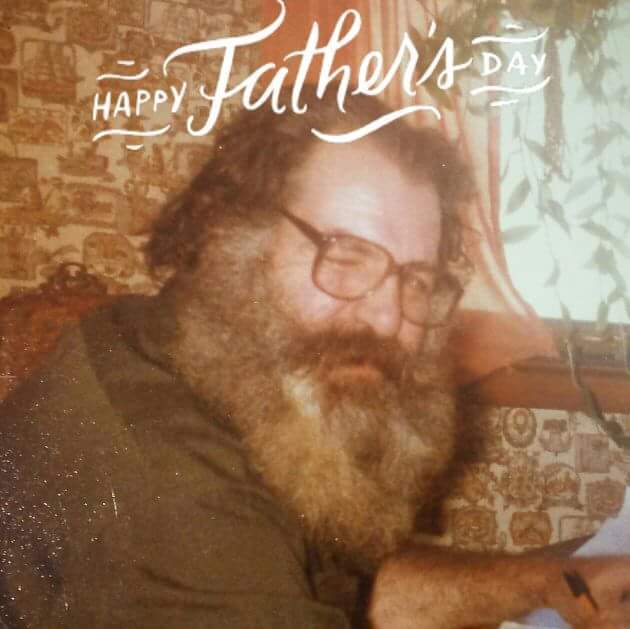
Before my father passed, but long after I’d moved away, I sent him a Father’s Day Card: “That summer we went to McDonald’s for that All-You-Can-Eat-Pancake-Breakfast nearly every Sunday was the best. I loved it! I Love You!”

I needed him to know that I remembered some good things.

This week, I made pancakes thinking of him. He always liked my cooking. He’d say, “there’s only one thing wrong with your cooking – you don’t make enough.”

I made enough this time – they’re sitting on the counter. Maybe I’ll wake in the morning, like a kid on Christmas, and they’ll be gone – for old time’s sake.

Wellness Writing Prompt

When I first came to yoga, our instructor made fish pose a regular part of our sequence. And for so long, I disliked it. It was uncomfortable – and I thought possibly unsafe.

matsyasana or fish pose

Fish pose, for those of you who are unfamiliar, is a pose in which the person lays flat on their back, but then lifts their upper back and head to place the crown of their head on the floor.

This pose, or rather the dislike of this pose, inspired a story titled Matsyasana. It is the very things which make us uncomfortable, which may (or may not) be connected to other, deeper things, that we must explore.

When I started looking at Fish Pose from a different point of view – thanks to the story – I understood what the pose could be. For me, it became about looking at life from a different point of view. Sometimes we get stuck in our discomfort. If we don’t or can’t move past it, we will never find what is on the other side. And nothing is as bad as being stuck – anywhere or in any way.

The first writing prompt for the group Writing to Wellness is to approach this topic in some way. It doesn’t necessarily have to be a yoga pose, but consider a position which makes you uncomfortable and write about it. If you’re perplexed, begin by attempting to describe the pose or position, then delve into the part of it that makes you uncomfortable – either in a fictional or non-fictional way. The point is just to start thinking about it and writing about it. This group is a safe place. We will support one another in our individual journeys. Feel free to share or ask for feedback.

Interview with Jo Rousseau, author of Tourists in the Country of Love.

I can not tell you how much I love Jo Rousseau’s writing. Her book, Tourists in the County of Love, is prize worthy. Her writing is sensitive, thoughtful, reaches into the depths of the individual soul, searching for the reasons for immoral acts.

Her previous awards include a first place essay, “Becoming Rousseau.” “Dead Dog Blues,” won the Writer’s Digest Short Story Competition. “Why Can’t We All Play Guitar like B.B. King” won the Seattle Magazine Short Story Contest.

Her book, Tourists in the Country of Love, features stories of men and women who make decisions that are sometimes beyond their own understanding. The first story is “Reading to my Mother.” A tender story of a mother who is no longer able to care for herself and the question arises – who will care for her? It’s never an easy answer, but added complications make it even more difficult in this story.

This interview with Jo Rousseau focuses on her story, “Maurissa takes the F-Scale.” (The F-Scale was a test after World War 2 designed to measure fascist tendencies.) There are questions and answers about the novel as well as her writing style. I hope you enjoy watching as much as I enjoyed speaking to her.

Here’s where you can take the F-Scale

Happy Birthday, Mr. Poe

In 1809, a baby boy was born. I imagine his mother knew he’d change the world; we mothers know those kinds of things. He triumphed over numerous challenges that made his writing deeper, darker, stronger. He created a truly American literature that separated us from the mother country, transformed literature at the time and formed what literature has become today. We owe a lot to Edgar Allan Poe.

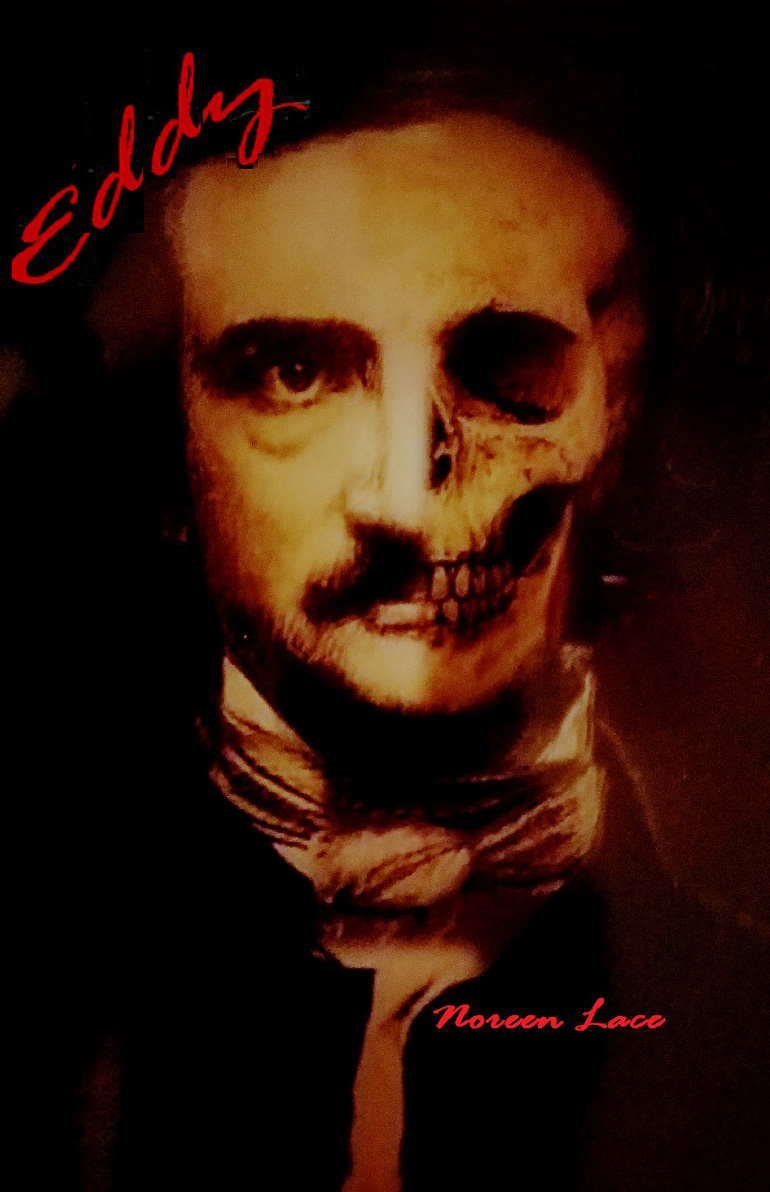
My tributes to Poe include Eddy. Eddy was born from my passion to understand his darker urges. In 1848, he bought two bottles of laudanum (morphine, heroin) from a pharmacist and seemed intent on ending his life. Eddy is the imaginative version of those moments – and what brought him back from the brink.

I was interviewed about Poe’s Mysterious Death on SuperNews Live – Dark Times.

In 2018, I read Eddy at the Edgar Allan Poe Museum in Virginia.

My other blogs include A Poe-Cation, The Loves of Edgar Allan Poe, Fast Facts about Poe, and check out my Poe page.

Charles Baudelaire, a French Poet and Poe’s contemporary, recognized Poe’s genius and gifts then, acknowledging that American audiences didn’t know what they had.

We do now. We have for a long time.

Happy Birthday, Mr. Poe. Happy Birthday.