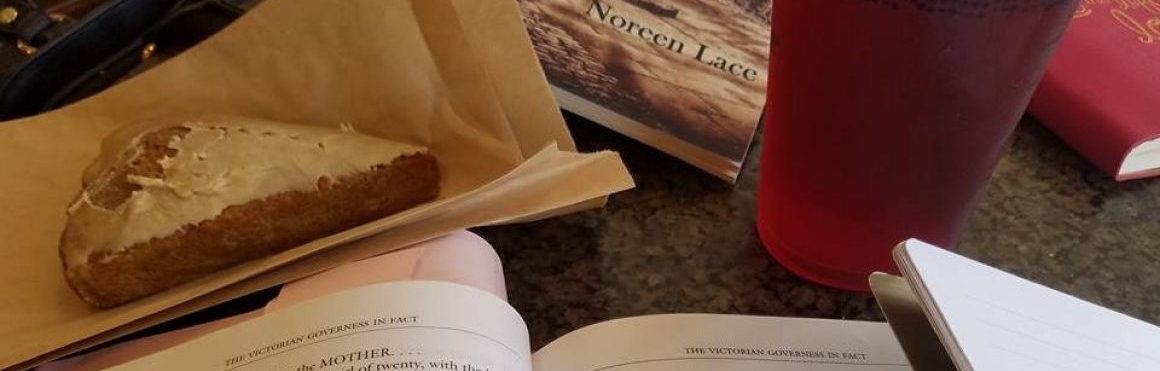
Some years ago, I belonged to a critique group.  Of the four writers, none had been published and I became the only one who expressed specific goals. In one session, a women writer spent the whole time helping another writer without responding to the rest of us. It sometimes happened, so we weren’t offended; but the following week, the same woman spent two minutes on mine and said something to the effect, “I don’t even know what to tell you with this…” before moving to another person. I realized I was wasting my time there.
Years after that, at a meeting, I sat next to a colleague I barely knew. She mentioned she was a writer, and we soon struck up a friendship and critique partnership.
 We’d meet once a week or once every other week to read and review each other’s work. Timing and responses began bumpy but smoothed out rather quickly. We were near the same writing level, although I give her credit for being better than I. As we got to know one another, we understood what the other was attempting to accomplish in their own fiction. This helped us read one another’s work more productively.
The most important elements in a critique partnership is respecting the other, giving honest opinions without being brutal, and accepting criticism. As professionals, we didn’t experience issues in offering or receiving the feedback. At some points, we may have disagreed, but we didn’t let it interrupt what had (and has) become a successful venture.
My writing has vastly improved because of this partnership. I benefited from the  authentic and detailed critiques with increased confidence, which lead me to more submissions, and ultimately more publications.
How you might form a successful alliance:
- A mutual understanding of writing goals and aesthetics.
- Similar level of writing experience (or someone who has more than you. You want to grow from this experience and you’ll have a chance to give back.)
- Trust & honesty – go hand in hand.
- Time and availability to meet or exchange work.
- Although it may help if you write in the same genre, it’s not required.
For those of you who have partners or experiences, did I miss anything?


 Auden, Hugo, and others woke at 4am
 rest of my day. I’d have to change my thinking first – about sleep and the lack thereof. I value a good night’s sleep.

 Noreen Lace
You must be logged in to post a comment.