Are you a rule follower?

rules.jpgJudy Blume recounts a story in which she took a writing for children class and they set out the rules involved in writing for young children, then she went and broke all of them.

Rules have purpose, have value. They give us the basics.

Hear me out on this – I believe we need to know the rules. We don’t need to necessarily continue to follow the rules.

Picasso followed the rules. But when he was comfortable and confident, he broke them in order to develop his own style.

Every writer should know the rules of writing. Even if they choose not to follow them.

Found Poems

This being poetry month, I thought I’d talk about poetry and share some poems with you.

When I was first introduced to the “found poem,” it seemed like plagiarism. My mentor suggested, I cite the original author or write “after….” and the name of the author the original text came from.

The Found Poem is just that – found. Take another’s work, words, phrases, or other, and rephrase or reframe forming it into your own fresh and original poem.

My found poem, “The Friendly Isle,” was originally published in DayBreak many years ago.

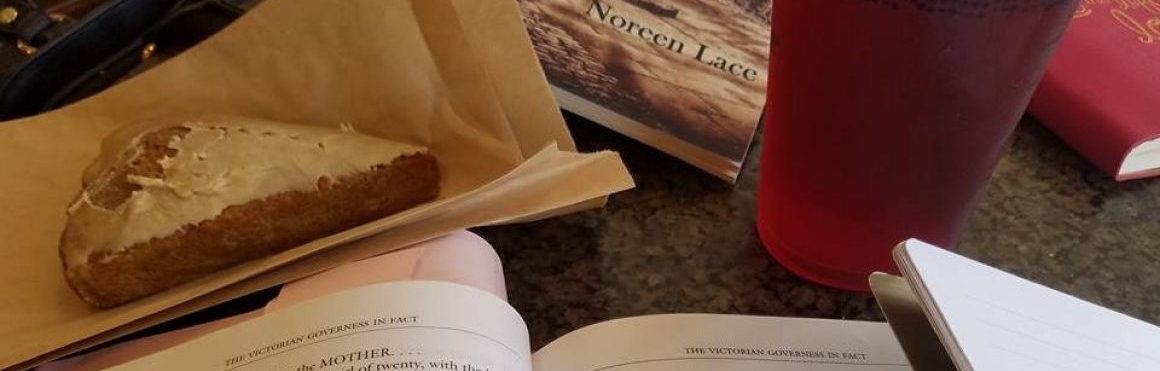
20190402_145058.jpg

While I don’t have any books of poetry out – yet – I do have a number of poems published. Check out my list of publications, and check out the books I do have on Amazon.

Try one of your own and feel free to share here in our facebook group!

The Secret to Successful Short Stories

short-story-e1415920087313.jpg

I spent much of my time in grad school trying to please a certain teacher and understand the secret formula for a short story.

Up until that time, I’d only written novels (or novellas), longer pieces of work in which I developed the characters and followed a plot. These felt full and complete.

Writing one small selection vexed me.

So I read and read and researched and attempted one time after another to create a successful short piece.

I suppose there is no formula and  no one right answer, which is what I was looking for – the correct answer.

Of the things written in grad school, the one instructor I attempted to satisfy deemed them mostly unworthy.

It wasn’t until near the end of graduation that an instructor said “half of that story was the best he’d ever read.”

He didn’t tell me which half.

However, almost all those stories have been pulled out, dusted off, and accepted with few edits. Hence – dear teachers – they were good! I had learned something; I had accomplished something.  (I must be doing something right, over 30 published in the last few years!)

There may not be one right answer, and there’s no secret, nor is there a hidden formula. Short stories need to get to a point, need to have conflict, need to show a budding of growth – perhaps.


Women Writing

women writing

Help!….

typewriter-judy-blume-only-advice-1-340x200

Weathering the Storms

weather-storms-thumbnail

Is there anything worse than a bad review?  Probably, but we don’t think so when we get one.

But ask yourself why you’re upset.

1. Is there some truth to the review? No – then forget it! Yes – then what is it?

One woman relayed that her one star review mentioned grammar and punctuation errors. She said, “I know there are some, but there’s not that many!”

It seems she knew she put out work that was not of a superior quality; she can’t be upset when someone calls her on it.

2. Is it someone who just wishes to malign you? Accept that there are going to be haters. Everyone has them. Remember this quote: “Well behaved women rarely make history.” If someone dislikes you – you might just be doing something right.

3. Someone told me – it’s only the writer who reads all the bad reviews. I think that’s supposed to make us feel better. But it’s true. When you look at reviews, do you search out every bad review there is? or do you read maybe the top five or ten of all the reviews?

I, personally, read a few of each. A few of the five star, a few of the three star, and a few of the one star – critical readers can tell if someone has an ax to grind or if they have real concerns.

What Do the Flowers Mean?

lily

Sometimes a flower is just a flower, but sometimes the flower is a tell tale sign, a foreshadowing of what is to come. That’s for the writer to decide.

However, I think the writer must stay consistent. If you’re using flowers in the story and use a lily to insinuate death or disaster, then you can’t just throw a carnation in later without thinking what that might mean.

Good stories have that layering that critical readers can spot and will enjoy. However, I think, too much can kill a story. As I said, if you’re using flowers as symbols stick with that. If you add flowers, the alignment of the stars, the colors of the curtains, and grandma’s foretelling – that might be too much. It’s like hitting the reader over the head with the symbolism and it’ll detract from the storytelling.

Read Like a Wordsmith

wordDon’t read other words like a critic looking for the good, bad, and ugly. Read to discover what the author did well and how they did it.

This is reading like a writer, like a wordsmith.

Atwood says she will only review something if she likes it. She is not a critic and won’t write a bad review.

One of my friends told me he won’t even write a bad yelp review. He says, I praise those who deserve it, but it’s not my place to criticize.

I thought this was a great idea.

If you feel you must say something to alert other readers, then be honest and specific, but do add at least one good thing about the book, story, movie, service etc.


The enemy…..

sylvia-plath-quote-1

Plath was one of the original “confessional poets,” and her poetry, at first, was not well received. Her poetry, however, spoke to many. Much love for the Plath!

Fiction = Lies / Writers = Liars?

gaiman.jpgNeil Gaiman says lies are what fiction is made of. Well, yes, but….

He says, we make up people and places and put them in circumstances which aren’t true. Yes, well, but…

But we tell some sort of universal truth with these lies and that’s what makes it good fiction.

Gaiman is all about honesty, so I’m surprised he calls what we do lies. I don’t consider fiction lies. But I can see how people think it is. But then, do we call writers liars? I would hope not.

There’s a difference, isn’t there?  I, personally, keep my life honest. I appreciate honesty from everyone in my circle and will not continue to be around people who are known to have lied.

Plato believed fiction was dangerous to society. He wrote in “dialogues” to teach philosophy or what he believed philosophical truths.

He was fictionalizing these dialogues. And if fictions, like philosophy, seek truth and honesty, aren’t they important?plato.jpg

Gaiman says the magic of fiction is the big, important truth.

I guess, if the fiction doesn’t tell us a truth, it has been a waste of our time, of our words, and is, therefore, a lie.