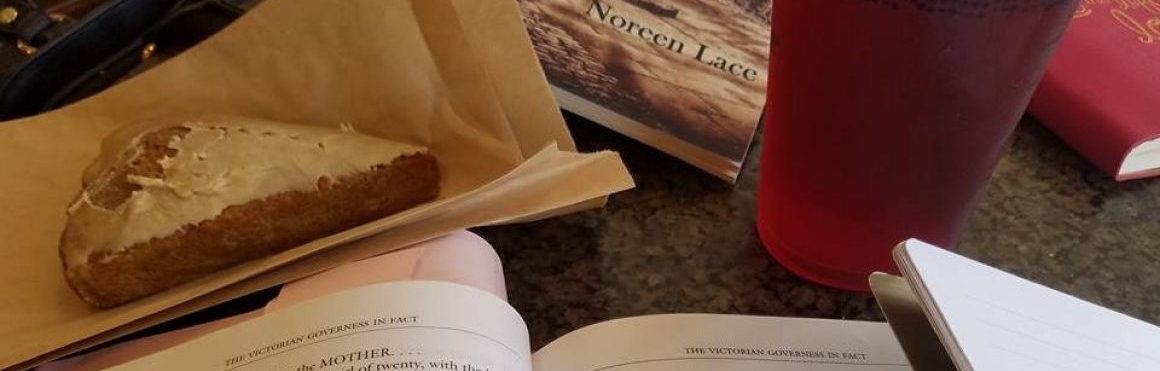
I’m happy to have P.S. Malcom’s writing advice to offer today. Enjoy!
~~~~~~~~~~~~~~~~~~~~~~~~~~~~~~~~~~~~~~~~~~
Three Ways To Come Up With A New Book Idea
I’m so excited to be here on the blog today, and I wanted to chat about writing.
Us writers sometimes get the urge to write something—anything—but often find  ourselves with a lack of ideas or inspiration. This is a really tough position to be in because you have the motivation to create and write, but nothing to work with. *Cue frustration*
Of course, this is worse when you have deadlines to meet or depend on a good portion of your book sales to pay the bills. You gotta keep those books coming! So today, I’m going to share three tips to help you come up with a new book idea:
1) Get inspired
I know, best advice of the year right?
 It sounds simple and blunt, if you’re not giving yourself space to get inspired, you can chase all the inspiration in the world and still end up with nothing. Stress from work, family life, responsibilities and pressure can all contribute to a block in your creative energy, and if you don’t make time to relax, unwind, and just chill, you won’t be able to imagine and envision your next story idea.
So my advice?
Do something different, whether it means going for a walk or a drive, spending an hour reading at a quiet café, heading to the beach for the day, painting or playing a musical instrument for an hour, or sitting in a hammock with your earbuds in. Whatever it is, make sure it’s an hour of distraction free time, and don’t force yourself to think up ideas. Let them come to you in the flow of the music, or the visuals of the painting, or the concepts of the book you’re reading.
It might take a couple of tries, but if you stay consistent in giving yourself space, you’ll find your inspiration again. I always get my best ideas (such as the inspiration for my Ryan Rupert Series) while away on vacation or immersing myself in something new.
2) Ask yourself questions
I’m not telling you to sit there like a lunatic and talk to yourself. What I mean is ask yourself questions about your current WIPs, or journal your thoughts, and ask yourself what you don’t know about your budding story idea yet.
Quite often, we come up with a simple, small concept but fail to expand on this idea enough to turn it into a feasible, book-length story. This results in us sitting down to write with our amazing new story idea and being stuck on where to begin because we have no clue what the story is about yet or who’s involved and why.
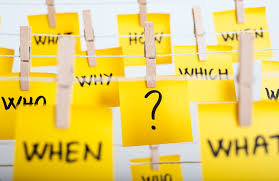 While this is all a process undertaken as we write, it’s a good idea to get clarity on the bare basics before you begin putting pen to paper, so ask yourself what you don’t know, answer what you can come up with, and go from there. I use this method all the time for my own books, and it’s also something I teach my writing students too.
3) Pick a topic and expand on it
If you’ve got nothing—not even a concept to work with—this is where you pick something you’re interested in and expand on it.
If you love mythology, you might browse through some of your favourite stories until you find an idea or concept that interests you, and find a way to put your own unique twist on it.
Or, if you love a particular country, you might immerse yourself in it’s culture and think about how you can tell a story from the perspective of somebody living that lifestyle.
There are so many possibilities to choose from, and you can turn any personal passion into a story. Just try it! You might not end up with a book-length story, but even the practise can help you get back into the swing of writing and help you conjure a new idea for a full-length book.
I hope these tips help anyone struggling to write!
Also, thank you for having me on your blog Noreen.
P.S. Malcom (Webpage) (Facebook)
~~~~~~~~~~~~~~~~~~~~~~~~~~~~~~~~~~~~~~~~~~~~~~~
You’re welcome. And, Thank you. Simple reminders are the best.
Monday – a new food section on food on this blog. Who does not love food?



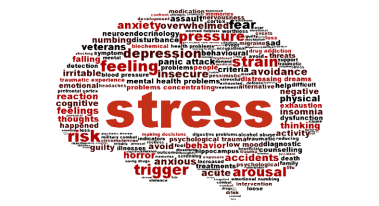 for many writers. Besides the littlest distractions causing problems for many writers, any stress weighing on a writer can keep them from being productive. One of the elements of stress is the inability to focus on anything else – it is the most distracting distraction a writer can face. Stress causes us to avoid things – things like writing!
 Let it go! If it is a stress we have no power over that is the only answer. It will pass. Focus on the writing, that you can control!


 It would be foolhardy and, even, unprofessional for me to say no without hearing them out.

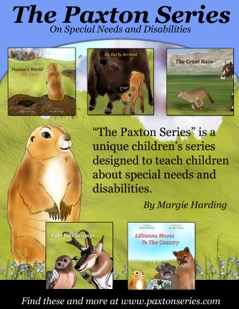 using the wild animals of the area as our characters. (Paxton the Prairie Dog shows up in every book, if nothing more than in a cameo appearance!) The books are written for the child with the disability or special need….and for the child that asks, “What is wrong with my friend?” —and there are amazing illustrations, thankfully from someone who is able to acclimate the disability to the particular animal!
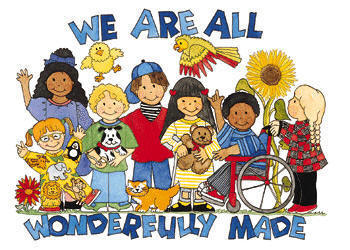 certainly not for those young ones introduced to special needs children, as integration into mainstream classrooms continue. Their peers are often confused by what they see as “different” and perhaps even “wrong” when it can’t be defined by the “normal classroom rules.” My books attempt to bridge that gap, and are a great starting place for teachers. They are written to aid in understanding, inclusion, and acceptance of those behaviors that are different from the traditional “norm.”
 I know people say writing is a commitment, but it’s more than that. Writing isn’t “like” a relationship, it IS a relationship. A writer must be involved with the whole process of writing, must love it, need it, want to continue to work to make it better. It takes commitment, time, dedication, and the desire to move forward in life with writing.
 name) said, “You have to be selfish. You must take the time for yourself, for your writing.” He went on to say he spent every Friday at a hotel with his writing. (are you picturing him checking into a seedy, no-tell motel with an old typewriter?;-)
 naturally form relationship goals! If writing were a romantic relationship, how would you handle it differently? Would you want to go to sleep with it or wake up with it or both? What would you want to give it? Would you spend more time with it, going over the details, working it out so it was just perfect, going over it and over it again to work it out nice and smooth? What do you do for your significant other? Take it out to dinner? On vacation?


 Can I tell you a secret? I’m really just an introverted writer and I really want to do is:


 Add to those, a roof over your head, coffee. Acknowledging how important the little things are is just as important as being thankful for the things you do have.
 I’m not a millionaire (trust me on that one) and my debts are paid, I refuse to use credit unless I have to. (Consider what you need vs what you want! Decide accordingly.)


 action/adventure story. I’m here to tell stories of real people and real lives, hard lived. (
 best seller’s list, but it also might mean my work touched someone, taught someone, helped another human being experience empathy for a friend or stranger’s life.
 Noreen Lace
You must be logged in to post a comment.