 Sometimes, that’s what writing feels like.
I recently finished a particularly difficult story. I’d written it over the summer. Then life happened, and while I wrote here and there and started new things, finished other things, submitted, and even came back to this story repeatedly, it refused to be finished.
This story became the terrible twos who kept throwing a spoon down on the floor and crying for me to pick it up only to throw it down again.
When my real children did this – I left the spoon on the floor and shrugged, “guess you’re using your fingers now,” but you can’t do that with a story, huh?
But what you can do with the story – as with all writing – is keep showing up. That’s what I did. I kept putting that story in front of me and trying to work out of the kinks. We can’t give up the story when it gets hard.
One of my favorite stories is one Stephen King tells about Carrie. I’m paraphrasing here: His wife found Carrie in the trash and brought it back to him, saying something to the effect, you can’t stop just because it got hard.
(of course these are the days when we used typewriters or notebooks and were able to physically put those in the trash and not just click delete, which, by the way, don’t ever do! Ignore the story, put it elsewhere, but don’t delete it!)
And I’ve read/heard the above King/Carrie story a few different ways, so it may not be exact; however, the point is – You can’t give up a story because it’s hard.
Even if the story never gets published – I learned something by writing it, by sticking it out.
The new term in student success is “Grit.” (I know, it’s also an old John Wayne movie). It alludes to the idea that the students who struggle and push through who will become a successful student and graduate. It applies across the board – school, life, and definitely writing! (Not surprisingly, to that movie as well).
I recall another story I’d had a particularly challenging time with. And just when I thought it was finished – the dreaded blue screen! It was gone. Memory wiped. I gave it a few weeks (and a long weekend in New Orleans) and came back at it. “Psychic Surprise Party” was published six months later in The Oleander Review. (It will be republished in May online).
Even if this one is never published, I learned something by doing it. I’ve learned something in all of these not-yet-published stories and poems. We are writers. We are driven to write. It is our little corner of the puzzle-solving-world in which we exist.
The next one might be easier. And maybe it’s  this challenging one that will push something out of the way for the next one. Maybe the next one will be difficult too, but we’re going somewhere, learning something – keep pushing through.
That’s what makes us writers.
And we’re all a little mad here…..
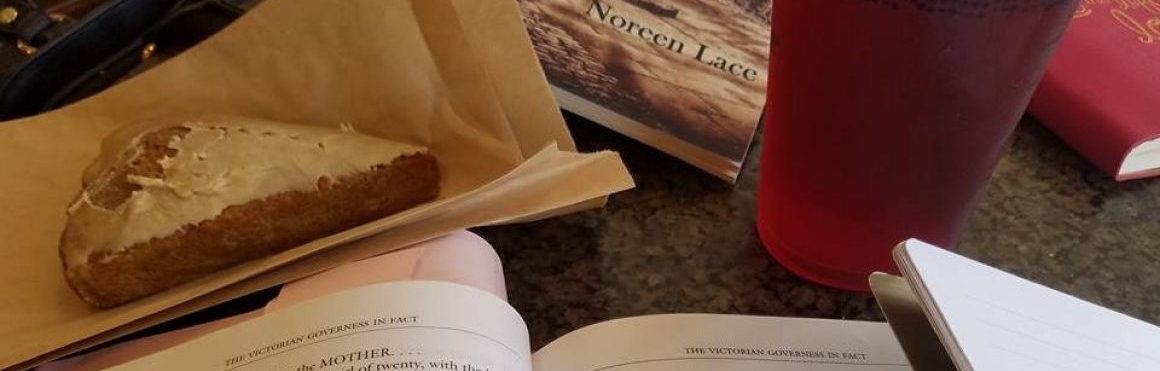


 The dreamcatcher is supposed to catch bad dreams and let the good dreams through.
 Write what scares you…..


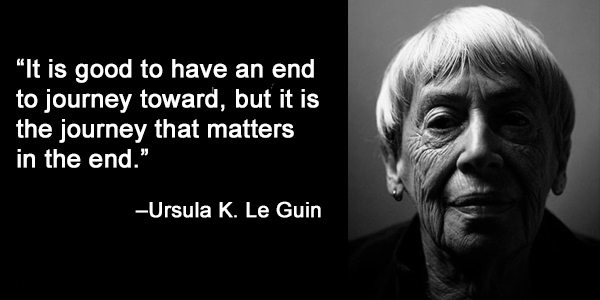

 Do you feel the need to have a certain, special place to write? Maybe you have little items you feel inspire you sitting around your desk, computer, in the same room, maybe there is a stone of carnelian or citrine to spark creativity, or even big dark shades to hide you from the world.
 Brown. However, if he gets up at 4 a.m. to write (as he states), who is doing laundry at that time? And, if the laundry was put in later, then obviously someone came in to disturb you. And, by that time, he couldn’t move to another room? Okay, sorry, sorry. Back to the point.



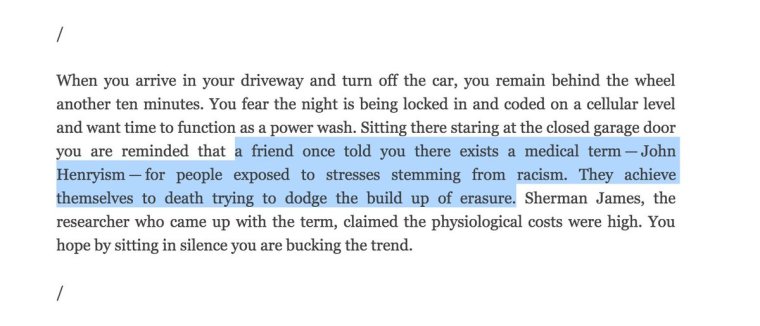


 Noreen Lace
You must be logged in to post a comment.