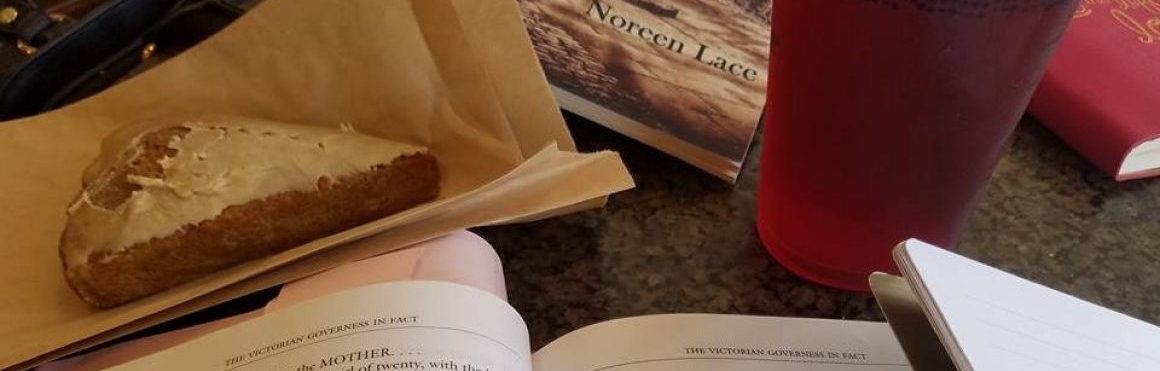
Notebook or Computer?

books.jpg

Dan Brown, Neil Gaiman, Judy Blume, and a number of other authors talk about writing in notebooks.

Blume says she fills it up from start to finish. I have to admit, a have a number of half empty notebooks. I keep them in various places, the car, the bedroom, dining room table, my desk. Then, I move them around, put them elsewhere and begin a new one before I rediscover the one I previously used.

I used to use big composition notebooks. These days I use smaller journal types.

Studies show that writing by long hand in a notebook uses a different part of the brain.

I wrote Grandma’s Last Secret by long hand in a notebook.  I wrote the whole of West End in a notebook before I ever thought of touching the laptop. I feel like there’s a difference for me. And sometimes, the notebook is easier on the eyes, easier on the brain. I don’t feel as much pressure from a pen and paper that I do when I sit in front of the computer.

But I do write on the computer sometimes too. I sit down and I’ll write a story, sometimes, from start to finish on the computer without considering a notebook.

Do you use notebooks? Or computers? or Both?  Feel free to share in our facebook group.

Study the Masters….

faulkner“Read, read, read. Read everything — trash, classics, good and bad, and see how they do it. Just like a carpenter who works as an apprentice and studies the master. Read! You’ll absorb it.
Then write. If it’s good, you’ll find out. If it’s not, throw it out of the window.”


Some people feel they should not read others or study the masters because it will influence their voice; however, experts recommend that is where you begin in order to develop your voice. Finding your voice takes time and it takes writing, regardless of who you read.  But you do, without a doubt, need to read far and wide.

Reader Response

Some authors are unhappy when readers see something in their story, novel, or poem that was not intended.

I subscribe to the theory of reader response. Our work is going to touch different people in different ways; readers are going to get out of it something related to what they bring to it, so if they don’t see what we originally intended, they are not wrong, nor did they read it wrong, they are merely giving the writer an insight.front-cover-small

I, personally, am thrilled when readers see something I hadn’t intended. For my novella, West End, one reader said the melancholy of the main character haunted her. Other readers believed some of the characters might have actually been spirits or ghosts. One of the characters, I left open. His questionable appearances deepened the story and the effects on the main character who is dealing with depression.

However, when another reader felt that the son might have been a ghost – it made me go back and reread my own work!

Once the story, novel, or poem is out there, readers are going to take away or put into it whatever is in their own toolbox and we can not control it. We may not like it – I had one person mistake me for one of my characters – but we do have to accept it. I usually thank the reader for their insights, regardless of what I feel about the response.

All readings are good readings!

If you’re interested in reading West End – it’ll be on sale Saturday and Sunday. And – then let me know what you think!