Disabilities in fiction

People_with_Disabilities.jpgI was thinking how few people with disabilities are featured on regular television shows and movies. And rarely do we see people with disabilities in fiction, unless they are the main character.

There are a number of children’s book, teen books, and mainstream novels wherein a physical disability is the main feature and/ part of the main character and therefore the thrust of the storyline, but I think we need to incorporate people with disabilities into our secondary and background characters.

In one show I watch, they had to replace a minor character, a secretary who might be seen once or twice a week, and be required to answer a mundane question like, “Where’s the boss?” This show (which shall remain nameless) receives kudos for being among the first (many years ago) to feature minority characters, an interracial affair, gay characters, and, now, even a gay relationships; yet, they don’t have any characters with disabilities.

It’s really up to the writers – us – to push this envelop. We don’t need to know the whole back story if our main character walks into an office to say, “Where’s the boss?” and receives the same sprite answer, “if only someone would tell me!” from someone in a wheelchair.


Blocked? How to shake it loose.

wall-art-2852231_960_720

Creative blocks are brought on by various reasons.

Writers, poets, artists, musicians need to express themselves. Sometimes, something plugs our flow of creativity.

My friend and I have found release in other creative outlets. She took a watercolor painting class. She feared, at first, that she was taking away from her writing; however, what she found is that it opened her flow and she felt even more creative and was able to add even more to her usual creativity.

I take art and other classes on a regular basis. Most of the time their directly related to writing, but sometimes they are not – but they still feed my imagination and add depth to my writing.

The Healer’s Daughter will be released on May 15th in The Ear. This story came pouring out after a six week drawing class I took at a local museum/gallery. And… I feel like it’s one of my best, filled with color and meaning.

Shake something loose by trying another outlet. You may come back stronger and more creative than before.

The Joy of Acceptance…

The acceptance of being your own person, writing in your own style, not mimicking or falling in line.

I get a lot more rejections than I do acceptances, but I don’t dwell on the rejections.

56635085_2231045933643692_5441110500400168960_o.jpg


There is an art to accepting or rejecting any work. And, although any acceptance is a happy occasion, a particular nice one such as this is always a joy to receive.

To update you on my publications of late –

Heaven’s Password is about a woman who finds herself in heaven, in a line reminiscent of the DMV, and is asked for a password. She’s not the most patient person and can’t remember ever setting up a password. Just like your bank account, you can’t get in without it! This was published in the The Survivor issue of P&G.

Bowie and the Basket Case is due out any day now from ID Press. When someone breaks into her house, Anna doesn’t readily find anything missing. But soon she realizes little things are disappearing and reappearing – is someone gas-lighting her?

The Healer’s Daughter was accepted by The Ear and will be out May 15th. Self explanatory title?

And finally, or so far, Voice of Eve has sent me the lovely acceptance above for my photography and three poems – as you’ve read – June 15th.

Thanks for reading, dear souls.

Wishing you much love and happiness.

noreen

Dreamcatcher Poem

dreamcatcherThe dreamcatcher is supposed to catch bad dreams and let the good dreams through.

Write down an image remembered from a dream, a word, a sound, a thought, into each space.

Then put them together – or leave them as is.

A dreamcatcher is random. Your poem might be as well. Yet, at some point, some place, in some way, it’ll all come together.

Notebook or Computer?

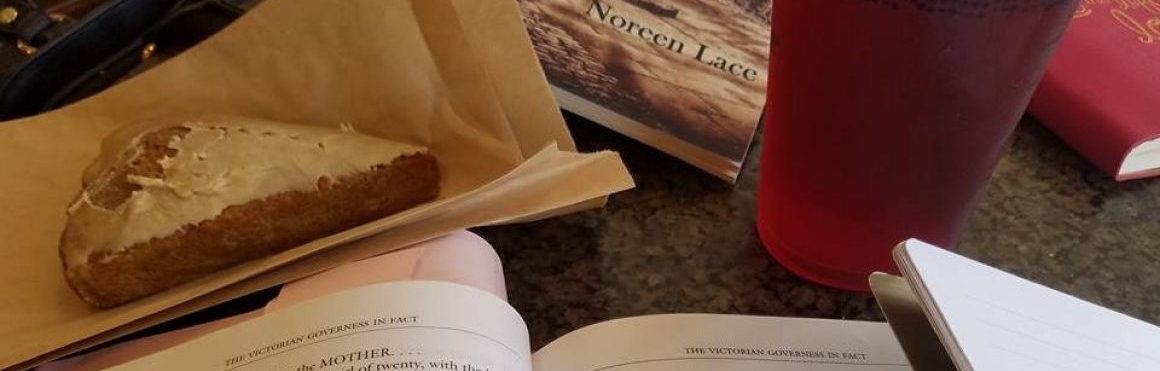
books.jpg

Dan Brown, Neil Gaiman, Judy Blume, and a number of other authors talk about writing in notebooks.

Blume says she fills it up from start to finish. I have to admit, a have a number of half empty notebooks. I keep them in various places, the car, the bedroom, dining room table, my desk. Then, I move them around, put them elsewhere and begin a new one before I rediscover the one I previously used.

I used to use big composition notebooks. These days I use smaller journal types.

Studies show that writing by long hand in a notebook uses a different part of the brain.

I wrote Grandma’s Last Secret by long hand in a notebook.  I wrote the whole of West End in a notebook before I ever thought of touching the laptop. I feel like there’s a difference for me. And sometimes, the notebook is easier on the eyes, easier on the brain. I don’t feel as much pressure from a pen and paper that I do when I sit in front of the computer.

But I do write on the computer sometimes too. I sit down and I’ll write a story, sometimes, from start to finish on the computer without considering a notebook.

Do you use notebooks? Or computers? or Both?  Feel free to share in our facebook group.

Poetry Month

Life.png

From the Dead Poet’s Society.

And true. True. True. Would life have any depth without the stories and poetry we share?

Weathering the Storms

weather-storms-thumbnail

Is there anything worse than a bad review?  Probably, but we don’t think so when we get one.

But ask yourself why you’re upset.

1. Is there some truth to the review? No – then forget it! Yes – then what is it?

One woman relayed that her one star review mentioned grammar and punctuation errors. She said, “I know there are some, but there’s not that many!”

It seems she knew she put out work that was not of a superior quality; she can’t be upset when someone calls her on it.

2. Is it someone who just wishes to malign you? Accept that there are going to be haters. Everyone has them. Remember this quote: “Well behaved women rarely make history.” If someone dislikes you – you might just be doing something right.

3. Someone told me – it’s only the writer who reads all the bad reviews. I think that’s supposed to make us feel better. But it’s true. When you look at reviews, do you search out every bad review there is? or do you read maybe the top five or ten of all the reviews?

I, personally, read a few of each. A few of the five star, a few of the three star, and a few of the one star – critical readers can tell if someone has an ax to grind or if they have real concerns.

What Do the Flowers Mean?

lily

Sometimes a flower is just a flower, but sometimes the flower is a tell tale sign, a foreshadowing of what is to come. That’s for the writer to decide.

However, I think the writer must stay consistent. If you’re using flowers in the story and use a lily to insinuate death or disaster, then you can’t just throw a carnation in later without thinking what that might mean.

Good stories have that layering that critical readers can spot and will enjoy. However, I think, too much can kill a story. As I said, if you’re using flowers as symbols stick with that. If you add flowers, the alignment of the stars, the colors of the curtains, and grandma’s foretelling – that might be too much. It’s like hitting the reader over the head with the symbolism and it’ll detract from the storytelling.

Visualization for Success

Superego

We tell our students to do this – visualize what you want to happen.

Take your visualization a step further, especially if you’ve lost hope or are having a hard time finishing a work:

Create the cover for your book. Maybe slap an award on that cover.

Write a famous person’s review for that book then add quotes to the back cover.

Write the copy for the inside jacket cover.

Hang it or place it on your desk where you will see it every day.

Science says, visualization can help us get to where we want to be!

Inspire

joyce carol oats