January 19th, is the 210th anniversary of Poe’s Birth.
 Although many people are content with the reason of Poe’s continued relevance in our society is the stereotypical tortured artist. There is no doubt he was tortured, and for reasons of which we are all familiar; he was an orphan who lost every women he ever loved.
His battles with alcohol, I believe, are highly exaggerated. But it makes for a good story. I’m not saying he never drank – he drank to excess plenty of times, he may have officially been an alcoholic as we understand the word today; however, it was not a constant. There were many years through his marriage to Virginia that he did not drink or drink to excess. Before his death in 1849, he’d joined the Sons of Temperance Movement – to get people to stop drinking.
The reason Poe has remained relevant throughout the years is his work touches our deepest fears and deepest desires. He has continued to inspire other writers
 and artists of all types.
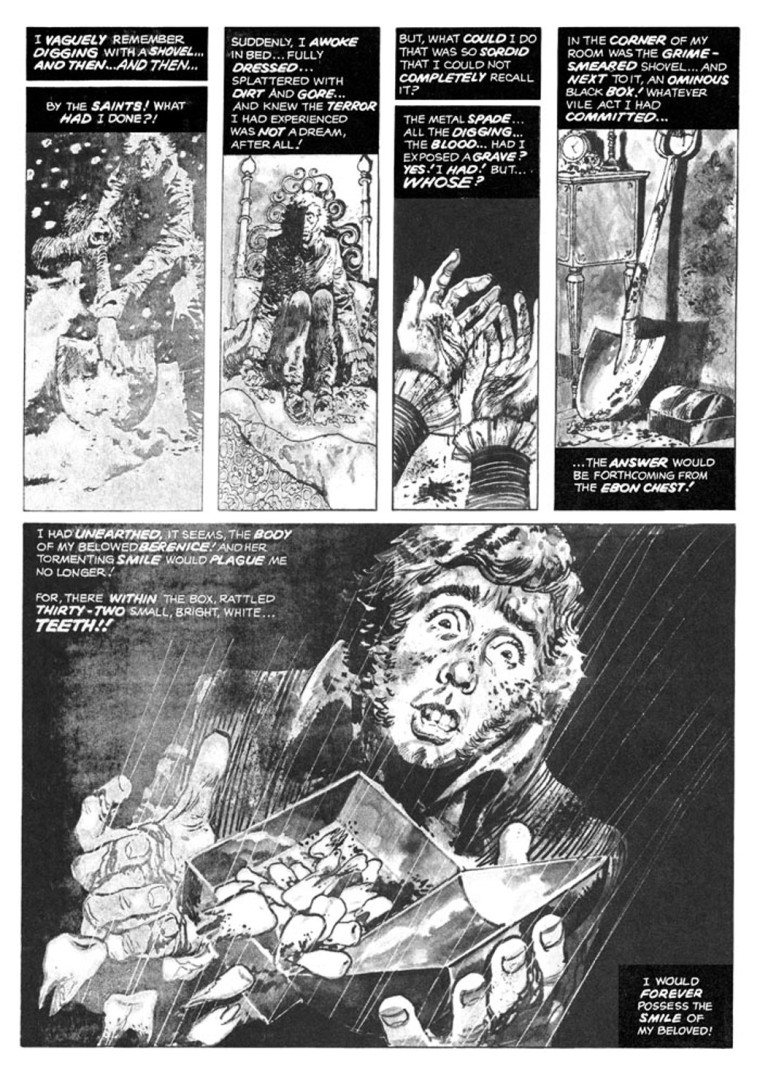
He wrote far more than what we, today, consider horror. He wrote essays, literary analysis, investigative pieces. He wrote about street paving, Stonehenge, and he was inspired by what he read in newspapers. Berenice and others were inspired by stories of grave robbers in local papers.
The famed portrait of Edgar Allan Poe was taken three days after his suicide attempt in 1848.

And, Eddy, my imaginative fiction, was inspired by that suicide attempt. He bought two bottles of laudanum on a cold winter night meaning to do himself in. He’d lost Virginia and felt he had no one. (Laudanum contained opium and derivatives of morphine and codeine.)

For Poe’s Birthday, I offer an excerpt from the novella:
He stumbles from the pub, slips, and falls on the iced over bricks of Boston’s November streets. Save for the muddled voices beyond the closed door, the street is quiet as his body thuds to the ground. His breath billows in front of him as he gasps and grumbles and struggles to his knees, then his feet, to regain his drunken balance.
The gaslamp on the corner offers a wavering yellow glow for the struggling figure on the lonely winter night. Thin strands of hair blow in the chilled breeze; he runs his hands over his head, straightens himself before he pulls at the sagging overcoat and tugs it closed.
Remembering the tinctures of laudanum pried from the chary pharmacist, he hurriedly shoves his hands in his pockets, retrieves the bottles.
His heavy breath mounds in front of him and, for a moment, he can’t see; then the luminous cloud of brandy scented air dissipates. The medicines are intact. Relieved, he stuffs them back in his pocket and buttons his jacket.
“Edgar,” someone calls from the corner; the noise from the pub trails the swarthy figure out until the door slams to a close behind him. “You alright?”
Edgar waves him off without turning around.
The thick shadow chuckles as he staggers in the opposite direction.
The winter is freezing cold, but the snow hasn’t endured. Small white crystals pile in corners and fill the air. The icy rain soaks him before he reaches his chamber on the second floor of the boarding house. The room is small, impersonal, but warmer than the street. An unlit lantern shimmies on the desk as he unsteadily seats himself, glances out the window.
A barely discernable outline disquiets the otherwise muted darkness on the corner of the street below. He knows it’s the black dog that’s stalked him his whole life. Suddenly angered, he shoves himself forward, pushes the unlit lamp aside and topples the ink jar.
“Get outta here, you wretched creature.” The incensed command lost in the night.
Recovering the secreted bottles of opium from his coat pocket, he sets them side by side in front of him. Unsteadily he tugs the lid from one and snorts in a single gulp.
For More Posts on Poe – click this link.
To get the book at 3.99 – this weekend only – click this link.
To get the ebook at .99 – today only – click this link.

Much love and luck.
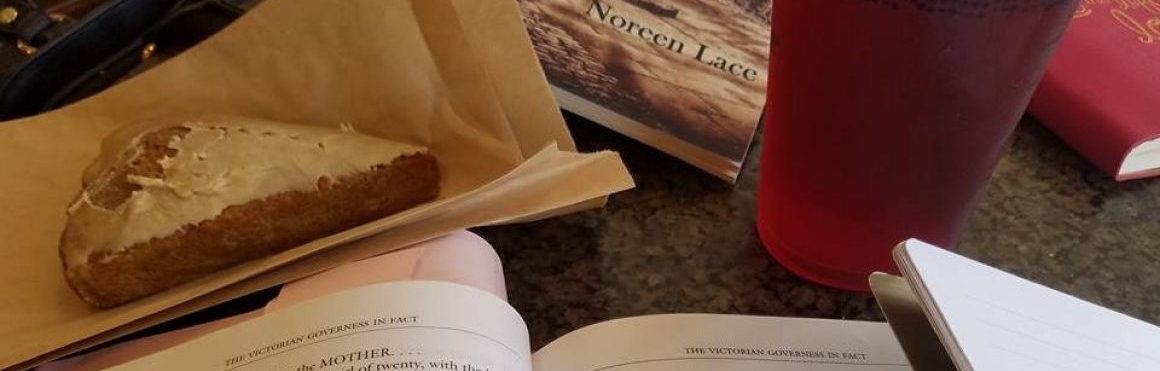
 story Berenice is about a man who digs up his dead wife and takes her teeth. This is reportedly inspired by newstories of grave robbers, some of which left the body and took the teeth. Another story reportedly inspired by a news report was the Facts in the Case of Valdemar. At the time, there were reports of people who could speak to the dead; there were other stories of ways to prolong life. Poe, it seems, blended these and created a story in which Valdemar “survives” and “speaks” beyond his natural life. This short fiction was thought to be real. People believed it!


 One reader contacted me convinced
  life, and while that might be my fear, it is not me.
 There’s a theory that we don’t fear failure, we fear success.


 Many people are confused by semicolons; some people just hate them.
 However, some of my editors have asked me to cut them down. One editor-friend said, “they do not appear in popular fiction.”



 comma needs to be.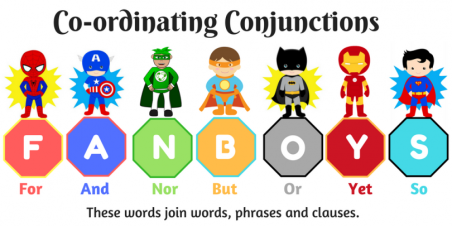


 Does your character like her/his marshmallows burned and why?
 I’m a big fan of Malcom Gladwell, writer for the New Yorker and author of The Turning Point, Outliers, and many others.
 It depends on the person. With me, it takes 3 to 4 weeks for me to stick to my commitment. And every year my teaching schedule changes, so there’s two to three months a year for me to recommit.

 Writing a novel is not a destination; it’s a journey. It’s the hardest journey you will take with unclear signs, narrow paths, tricky u-turns, treacherous cliffs, an occasional dead end, and a steep road toward the end.

 Noreen Lace
You must be logged in to post a comment.