![20181028_133526[1]](https://noreenlace.com/wp-content/uploads/2018/10/20181028_1335261.jpg?w=196&h=261) I was inspired the other night while watching netflix; a character mentioned Mexican Hot Chocolate Cookies. I put the show on pause and sought recipes.
I was inspired the other night while watching netflix; a character mentioned Mexican Hot Chocolate Cookies. I put the show on pause and sought recipes.
I found the usual 2 cups of flower, 1 cup of sugar run-of-the-mill types of recipes; then I happened upon something exciting!
I have a habit of looking up a ton of recipes, then mixing and matching and making my own. It seems the author of this blog does something similar, researches others and then works in her own special touches.
This recipe uses only 6 tablespoons of flour. More room for the good stuff!![20181028_133637[1]](https://noreenlace.com/wp-content/uploads/2018/10/20181028_1336371.jpg?w=90&h=120)
I used a little more than 1/3 a cup of baker’s chocolate and I replaced the bittersweet. Although I’m a fan of bittersweet, I decided to use semi-sweet in its place. This makes my cookies a little sweeter than the original recipe. If you like it more sweet and want to risk a trip to chocolate heaven, I suggest mine. If you are ![20181028_133641[1]](https://noreenlace.com/wp-content/uploads/2018/10/20181028_1336411.jpg?w=92&h=123) a less-sweet chocolate lover with a desire to live a long healthy life, try it as recommended on the blog.
a less-sweet chocolate lover with a desire to live a long healthy life, try it as recommended on the blog.
I tried unsuccessfully a few weeks ago to use a double boiler method to melt chocolate, so I was hesitant to try again. However, I followed the instruction in the blog and used a bowl in a pan. It worked great.
![20181028_134140[1]](https://i0.wp.com/noreenlace.com/wp-content/uploads/2018/10/20181028_1341401.jpg?w=376&h=501&ssl=1 "20181028_134140[1]")
![20181028_135008[1]](https://i0.wp.com/noreenlace.com/wp-content/uploads/2018/10/20181028_1350081.jpg?w=376&h=501&ssl=1 "20181028_135008[1]")
I melted a cup of semi-sweet with the butter and baker’s chocolate, cooled it, then added the recommended amount of semi-sweet chips to the batter as suggested.
I also used regular chili powder and omitted the cayenne. The chili pepper doesn’t make it spicy; it just brings out the other flavors. I’d be willing to try it with cayenne and/or a little spicier – so if anyone does, let me know how it turns out!
Everything looked gorgeous and tasted so good, I had to share.
This recipe was to die for as announced by my taste-testing kids.
![20181028_193604[1]](https://noreenlace.com/wp-content/uploads/2018/10/20181028_1936041.jpg?w=760)

 In a writer’s group, I asked a specific person how one would use a certain program. They responded with, “I’d be glad to show you; my rates are very reasonable.”
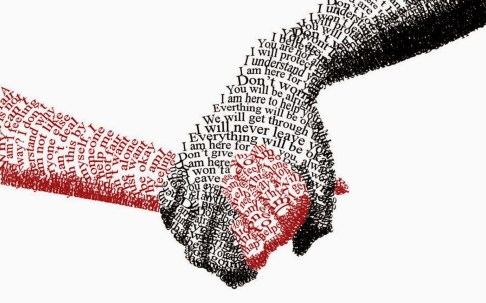 in the same boat of trying to get our books, articles, short stories, or other out there to larger audiences.
 When we all work together, we all become better humans. I want to share my ideas and experiences and share other writer’s with you, other ideas with everyone who desires to listen.

 I tried a new drink; the front label boasted a vitamin drink. I didn’t take the time to read the ingredients. I was thirsting, it was cool and promised refreshing goodness. But, after drinking half the bottle, my stomach began to ache. I put it aside.
 Previously, some of these artificial sweeteners had been linked to cancerous tumors in rats.

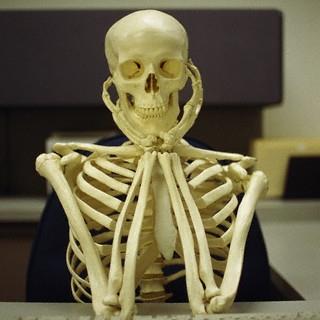 Waiting is the easy part.
 I consider it is not a fear of failure – because, by not trying, aren’t they failures already? Or maybe that’s it – they can claim they never “got their chance,” when, in fact, they never actually took a chance. That’s the true failure.
 What comes to mind? Are there images of magnificent places you’ve been, impressive people you’ve met, or extravagant stories that stimulates your soul, sparks your imagination and almost brings you to tears? These everyday inspirations lead me to be the best version of myself, however, this is not a source of inspiration for my writing.
 I like to explore the darker sides of life, which is interesting to me because I am naturally a good humoured optimistic individual. There are an unbounding instances of inspirational dualities in life, the play between light and dark, life and death, vice and virtue, and I realize as a writer I am one of them.

 Sometimes, I wish I was the driver of the Karma truck. But, I suppose, being a writer is better. Still have the problem of sitting too long, but we get to exact revenge too. The best kind of revenge – in print.
 But, first, I had to roll my eyes and throw back my head. I just wanted some sympathy, some empathy. But she gave me more than that – she gave me purpose, building from ashes, and a way for me to transmit sympathy to another by relating to a scenario which many of us have experienced. (I know, still too vague.)
 They are more like pastries, tarts, danishes, if you will.
 occasionally a few currents or raisins. But the point of a good scone is to have a choice of cream, lemon curd, or jam, not a mystery filled fun fest for which consumers risk diabetes.

 I started writing when I was a freshman in high school. My very first writing efforts were poems filled with rhymes and cliches. During my sophomore year of high school I took a creative writing class, the only creative writing class I’ve ever taken. I hated it. I especially hated the teacher. She liked this weird, semi-beatnik/hippie style of writing, poems filled with “crazy” images like “throwing batteries at dead cows” and things that tasted like “copper pastries”. She liked short stories with bizarre characters and situations, things that were weird for the sake of being weird; weird that did not move the story in any direction.
 I studied abroad in Granada, Spain during my junior year at the University of Illinois at Urbana-Champaign in 2003. I fell in love with the country and with a young woman in my study abroad group. Today, Spain represents the unattainable in my life. I have since developed an anxiety/claustrophobic disorder and refuse to fly. I can no longer physically travel to Spain. I can only travel to Spain through my mind, through memories. The young woman I fell in love with in Granada was also the first woman I ever truly loved. It was an experience of first-time, authentic love, love for a person and place. I know I can never recapture that kind of intensity in regards to love. One can only feel that kind of love when young. Everything after that is fine, marriage and such, but it will never be as pure or intense. And that’s what Last Night in Granada is about. It is a story about the unattainable.


 , originally released in 1970, rewritten and rereleased in 2003.
 For the original writing of The Gunslinger, King has this to say about his younger self, “too many writing seminars, and had grown used to the idea those writing seminars promulgate: that one is writing for other people rather than oneself; that language is more important than story; that ambiguity is preferred over clarity and simplicity…”
 heavy, story slipping under the covers of darkness of words and rhythm.

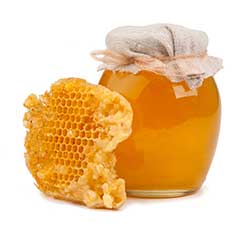 note agave lovers and brown syrup believers, your alternative all-natural sweetener may contain some Karo.
 Manuka Honey, which sells for $20-$40 per 8oz is said to have significant antibiotic effects.
 Noreen Lace
You must be logged in to post a comment.