Friday Feature – Fantasy for Mental Health by Lara Lee


Today, I’ve asked Lara Lee, fantasy author to write something for us.

~~~~~~~~~~~~~~~~~~~~~~~~~~~~

fantasy2In brainstorming ideas for one of my novels, I decided to research the question: Can a person be immune to brainwashing? We have all seen on television or in movies or even old books the trope of someone being brainwashed to do horrendous crimes against their will. It is overused, so I often stay away from it. My villain just seemed the kind of person to try and brainwash my hero, but I was curious how this worked in reality. Other books have their protagonist resist by the strength of their will. Was that how it is done?

No!

I was absolutely shocked by the research I came across. Strong-willed people were not immune to brainwashing, daydreamers were. Often, those resistant to brainwashing were people no one would expect, average looking people with little to brag about. Why is this?

First, we have to deal with what brainwashing is. Many people over the recent years have argued that true brainwashing doesn’t exist. Just like hypnosis, a person cannot be forced to do something against their foundation beliefs. The term and identification of the phenomenon of brainwashing came from around the time of the Korean War. Prisoners of war were “brainwashed” and then released to their home countries as spies for the Koreans. The same phenomenon was also seen in cults in the US and other organizations. These people did change. They did act in a way that they previously thought was wrong. Something happened to them that changed them.fantasy1

Brainwashing, like the movies, doesn’t happen. People’s thoughts are not wiped clean and then planted with new thoughts, but what does happen is that a person is put in such restrictive environment that denies all basic needs until the point that the person either is on the brink of a nervous breakdown or experiences one. Then the captor offers “kindness” such as water or food and slowly breaks down the victim’s foundational beliefs to those that the captor wants. They are convinced and persuaded under pressure to adopt new ideas. Sometimes these new thoughts stick for a lifetime. Sometimes they only last until a healthy lifestyle is restored. It again depends on the person.

As I read this description, I realized that sometimes life events bring people to the point of breaking, even without a captor. We have all heard of people who suffered emotional breakdowns just from trauma in ordinary living. Deaths, illness, financial struggles, relationship problems produce extraordinary strain. Life can be hard, and at times people break. Depression, anxiety, and PTSD are common. Some people endure a lot in life and stay strong. Some people crumble relatively quickly. So I continued my research wondering how one would fight this mental breakdown. It stopped being about brainwashing and more about mental health. How do we endure high stress without falling apart?

The secret is dissociation.

It turns out, that people who can disassociate from the circumstance that they are in do well. This practice is often taught to soldiers in the military to help in case they are captured and tortured. Dissociation is the process of mentally removing yourself from reality and separating your emotions from your circumstances. If not done intentionally, it can be a psychological disorder, but, when done intentionally, it provides a brief relief from the pain of reality.

To me, this sounds like escapism literature, my favorite being fantasy. We all either have said or heard someone say that they read or go to the movies to “get away” from life. This act of “getting away” is to remove yourself from reality for a time into a fake world. Escapism is often about ignoring the pain of reality to have a little fun, or just to “veg” for a while. Sounds a little like disassociation right?

Not all entertainment is escapism. Some highlight the painful realities of life, but the popularity of the superhero movies, Harry Potter, Twilight, Game of Thrones, and The Hunger Games show that escapism is alive and well. I personally remember in some of the darkest times of my life escaping into books to bring relief to my emotions. I read nearly the entire Dresden file series that had been written up to at that point when a loved one was dying. I was often asked how I survived some of what I went through without shutting down, getting a divorce, or turning to substance abuse. I do have a Christian faith that I depend on, but I think I was also provided a way of emotion disassociation through fantasy fiction that helped me bare the emotions. God is not against fantasy; he told parables himself.fantasy

From the beginning of human history, we have had folklore, myths, legends, and fairy tales. These are the precursor to our modern fantasy fiction. The ancient world knew they needed an escape from the harsh realities of life. The human mind can only handle so much before breaking and caving in. Some seek relief in substance abuse or unhealthy relationships. Fantasy is a place in which you can be the hero and in control for 300 pages. Perhaps you will never endure the type of stress used in brainwashing, but I think we all can benefit from a bit of fantasy.


Lara Lee

The Shadow of the Gryphon

~~~~~~~~~~~~~~~~~~~~~~~~~~~~~~~


Thank you, Lara!


Writer Wednesday: Napccident’s Happen

Screenshot_20180228-182712.jpg

Napccident: when a person rests their eyes

and unintentionally falls asleep. The napccident

may last anywhere from five minutes to two or more hours.


I read an article that stated mental and physical exhaustion are different and that those with mental exhaustion nap to re-energize. Writers are, sometimes, prone to mental exhaustion. We are excited by our writing, then we crash. Or, those days when writing is torturous, we want to crash.

Another article stated that naps are ways to procrastinate.nap

Both are true. I’ve rested to recover from a challenging writing day, and I’ve definitely taken advantage of interludes as a means of procrastination. However, when I’m excited about my project and it’s pouring out, I rarely pause. I even have a hard time sleeping at night because my mind is alive with story.

When I get stuck on a piece of writing, a plot point, a character, I use respites to help me overcome that difficulty. By being still and allowing my mind to wander within the story, the challenge is overcome.

Decide if your napccident is avoidance behavior and make it be productive for you.

In yoga, we set intentions. If you lie down or close your eyes to procrastinate, accept that behavior and set an intention to be more productive. It’s not the pressure of a goal or promise, but it’s an email to your unconscious to get back on track.


Happy Napccident!


nap1

Food Crimes – Monday’s Food Blog.

foodcrime


I whole heartedly believe our physical and mental health are related to what we put in our bodies.  wholeheartedly

When I witness food crimes, health demeanors, nutritional scofflaws, I want to share them. Therefore, on Mondays, enter my take on nutritional related topics.

I caught three or four minutes of The Ultimate Warrior the other day. The participant said, Cystic Fibrosis had controlled his life; he was on 36 medications a day and other therapies just to survive. He began educating himself and designed a program in which he took control of CF. This regimen consisted of healthy food and exercise.

foodcrime1Many people try to eat healthy and do something to improve their overall well-being; however, they are short-circuited by a food industry that play on key words and pop culture and is more interested in their own bottom line rather than healthy consumers.

So – in this space – on Mondays, I hope to review products, give links to sites I’ve found, and offer a little advice.

Disclaimer: I am by no means perfect, and none of us should try to be. But we should be informed enough to make wise choices.

For the first entry: Cashewgurt. cashewgur A yogurt made from cashews. It’s the new nondairy alternative.

I’m not sure how it happened, probably companies tracking my eating habits through supermarket club cards, but I’m occasionally offered free product samples. Cashewgurt was one of them.

The thought of a healthy, richly textured, nutty tasting, and protein filled near desert-like product filled me with anticipation.

I pulled back the tab and was met with… well… not quite vanilla looking, darker than your typical color of vanilla of yogurt.

I love cashews. Did I mention that? I love nuts. I was completely willing to give this product my whole heart.

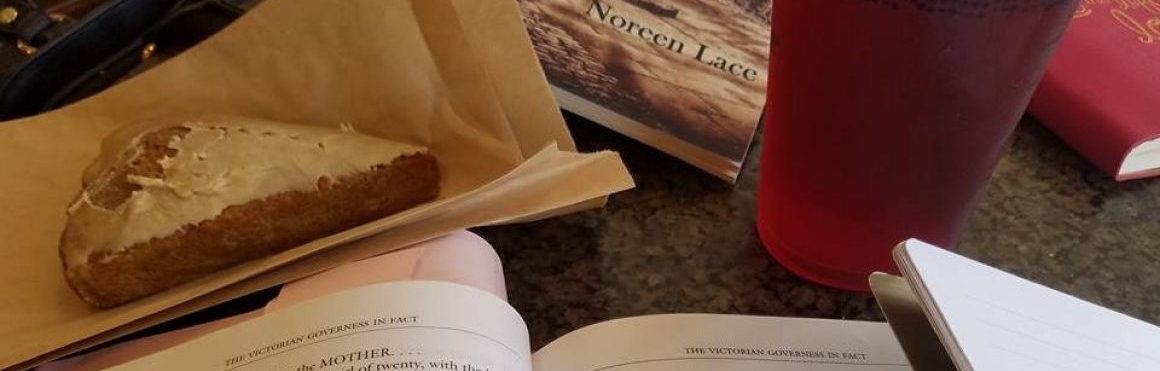
cashewgutI dipped the spoon in the little cup and brought the not quite buoyant, not quite fluffy or even firm yogurt to my mouth. I could almost taste it before it reached my lips, and that wasn’t because of the scent of vanilla, but the overwhelming aroma of chemical manipulation.

It smelled a little funny, not bad just odd. And it tasted a little campy. No, seriously, like we’d been camping and it got left out in the melted ice of the cooler. But we hadn’t been. And this hadn’t been. This was fresh from the grocer’s cooler, to my fridge, then to my mouth.

It didn’t taste nutty. It barely tasted of vanilla. The after-taste that tortured my tongue was something like an old Tab soda burp that wouldn’t go away. The saddest part was the consistency – like near melted ice-cream. Not what I like in a yogurt, although some people do.

I felt this product, the taste, the after-taste, and the lack of consistency reinforced the stereotype – healthy food doesn’t taste as good.

The label reads:

*Made from cashewmilk. Watered down cashews. The second ingredient is sugar. (The rest of the ingredients are the experiment in how to plump up cashewmilk and sugar.)

*12 grams of sugar, 2 grams of protein.

When I buy food, I have a few rules I attempt to follow:

  1. One of the first three or four ingredients should not be sugar.
  2. The grams of sugar and protein (and probably fat) should be somewhat even.

12 grams of sugar and 2 grams of protein for a yogurt inspired from a nut seems somehow disappointingly wrong.

I had high hopes for this one.

Ladies and gentlemen, we all eat food that is not great for us. I take issue with companies which market products that pretend to be healthy and are, in fact, not.  Overall, yogurts fall under deserts or snacks in my book. There are some that come close to the balance between sugar, fat, and protein, and those are the ones I choose when I desire a flavorful adventure that is not desert.

cashewgu

Forager’s slogan is “Food that’s better for the people and the planet.” I have to disagree with that one. There is too much sugar in Cashewgurt to be healthy or “better.” And both, the taste and consistency, needs work.

If you’ve tried it, let me know what you think.

Next Monday – nutritional scofflaws

Friday Feature: Guest Author P.S. Malcom

I’m happy to have P.S. Malcom’s writing advice to offer today. Enjoy!

~~~~~~~~~~~~~~~~~~~~~~~~~~~~~~~~~~~~~~~~~~

Three Ways To Come Up With A New Book Idea

I’m so excited to be here on the blog today, and I wanted to chat about writing.

Us writers sometimes get the urge to write something—anything—but often find book1ourselves with a lack of ideas or inspiration. This is a really tough position to be in because you have the motivation to create and write, but nothing to work with. *Cue frustration*

Of course, this is worse when you have deadlines to meet or depend on a good portion of your book sales to pay the bills. You gotta keep those books coming! So today, I’m going to share three tips to help you come up with a new book idea:


1) Get inspired

I know, best advice of the year right?

book1It sounds simple and blunt, if you’re not giving yourself space to get inspired, you can chase all the inspiration in the world and still end up with nothing. Stress from work, family life, responsibilities and pressure can all contribute to a block in your creative energy, and if you don’t make time to relax, unwind, and just chill, you won’t be able to imagine and envision your next story idea.
So my advice?

Do something different, whether it means going for a walk or a drive, spending an hour reading at a quiet café, heading to the beach for the day, painting or playing a musical instrument for an hour, or sitting in a hammock with your earbuds in. Whatever it is, make sure it’s an hour of distraction free time, and don’t force yourself to think up ideas. Let them come to you in the flow of the music, or the visuals of the painting, or the concepts of the book you’re reading.

It might take a couple of tries, but if you stay consistent in giving yourself space, you’ll find your inspiration again. I always get my best ideas (such as the inspiration for my Ryan Rupert Series) while away on vacation or immersing myself in something new.


2) Ask yourself questions

I’m not telling you to sit there like a lunatic and talk to yourself. What I mean is ask yourself questions about your current WIPs, or journal your thoughts, and ask yourself what you don’t know about your budding story idea yet.

Quite often, we come up with a simple, small concept but fail to expand on this idea enough to turn it into a feasible, book-length story. This results in us sitting down to write with our amazing new story idea and being stuck on where to begin because we have no clue what the story is about yet or who’s involved and why.

book1.jpgWhile this is all a process undertaken as we write, it’s a good idea to get clarity on the bare basics before you begin putting pen to paper, so ask yourself what you don’t know, answer what you can come up with, and go from there. I use this method all the time for my own books, and it’s also something I teach my writing students too.


 

3) Pick a topic and expand on it

If you’ve got nothing—not even a concept to work with—this is where you pick something you’re interested in and expand on it.

If you love mythology, you might browse through some of your favourite stories until you find an idea or concept that interests you, and find a way to put your own unique twist on it.

Or, if you love a particular country, you might immerse yourself in it’s culture and think about how you can tell a story from the perspective of somebody living that lifestyle.

There are so many possibilities to choose from, and you can turn any personal passion into a story. Just try it! You might not end up with a book-length story, but even the practise can help you get back into the swing of writing and help you conjure a new idea for a full-length book.


I hope these tips help anyone struggling to write!

Also, thank you for having me on your blog Noreen.

P.S. Malcom (Webpage) (Facebook)

Ryan Rupert Series

Starlight Chronicles

~~~~~~~~~~~~~~~~~~~~~~~~~~~~~~~~~~~~~~~~~~~~~~~


You’re welcome. And, Thank you. Simple reminders are the best.


Monday – a new food section on food on this blog. Who does not love food?

book1


Writing Wednesday – STRESS!

stress

One of the worst types of writer’s block is caused by stress.

I like to roll out of bed and get straight to writing before any other distraction or activity comes up. I find that I work better and longer if I push everything else away until a manageable time. However, I find stress takes me completely out of my writing brain.

Where I can stop for breakfast, talk to friends or family, or even keep an appointment and get back to writing, when I’m stopped by a stressful event or activity I find it extremely difficult to do any work.

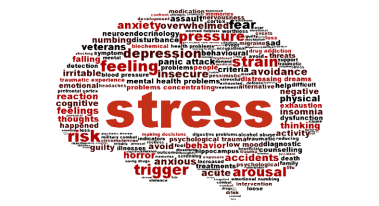
The good thing is that it takes a lot to get me to that level of stress; however, that’s not so Stressed-Brainfor many writers. Besides the littlest distractions causing problems for many writers, any stress weighing on a writer can keep them from being productive. One of the elements of stress is the inability to focus on anything else – it is the most distracting distraction a writer can face. Stress causes us to avoid things – things like writing!
If you’re experiencing something like this and can’t get on track with your writing, you need to ask yourself what is happening in the background of your life. It depends on each individual’s ability to handle stress, but it could be a small thing like a car problem or a large thing like a family problem. These things wreak havoc with our ability to be productive.

Again, my cure for this is to focus first on my writing and, second, on anything else. Cures for others might be similar. Block out the stress and focus on the writing – this could be a way of de-stressing. Creating a time to worry about problems is an age old recommendation. Years ago, someone told me “plan ten minutes before bedtime to worry.” I, personally, prefer before sleep and after waking to be the least stressful times. But it could still work – schedule your worry time like we all should schedule our writing time. Or, give yourself time to solve that problem, and realize if it’s something you can not solve and let it go.

stress2Let it go! If it is a stress we have no power over that is the only answer. It will pass. Focus on the writing, that you can control!

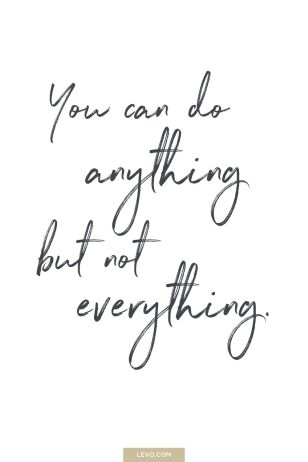
I like the quote “you can do anything, but you can’t do everything.” That’s what we have to remember. We can choose to stress about problems that we can’t immediately solve, or we can choose to use our writing as a distraction from that stress.

If you’ve found anything that’s worked for you, please post it in the comments!


Next week – decision making and writing.

Friday Feature: Second Chance – Iuliana Foos

The second indulgence of our Friday Feature is Author Iuliana Foos’ personal story- Enjoy.

~~~~~~~~~~~~~~~~~~~~~~~~~~~~~~~~~~~~~~~~~~~~~~~~

iuliana

Thank you so much for hosting me today.

Born and raised in Bucharest, Romania, I had a childhood and upbringing different from what most people outside the country are accustomed to. Since an early age, I loved to read. Growing up in a communist country, where all information was closely supervised, I soon ran out of book to read.

I had to start of course with the literature mandatory in school, all Romanian authors, but soon, I started to borrow books from my parents’ collection. When most people hear ‘Black Market’ they think of illegal merchandise. For us, was also books. Coming across translated international authors, wasn’t easy, but not impossible either.

It was when I fell in love with ‘The Three Musketeers’ by Alexander Dumas, the first romance book I ever read. I was only in my early to teens, so extremely impressionable. Until today I still believe everyone should have at least one sword, even if only for decorative purposes.

When I attempted to read ‘War and Peace’ by Fyodor Dostoyevsky, I failed miserably, falling asleep before finishing a whole page. I still didn’t get the courage to go back and try to read what at that time, for me, was the most boring book, so I never made it past the first chapter. It served as a good paperweight, and many times I used it to hide underneath another book, usually something frowned upon, like ‘Gone with the Wind’ by Margaret Mitchell.

Around the same time, I managed to put my greedy hands on translated adaptations of Shakespeare’s plays, whose themes are still successfully rehashed today.

One of my best finds has to be Greek Mythology Adaptations. Those gods are still inspiring.

By the time I was sixteen, I ran out of books to devour, and started to make my own stories. In school and at home, I was busy creating worlds and characters in my head. The visit at Dracula’s Castle uncovered infinite possibilities. Our ordinary world had become that day less important than my fantasy one. You can only imagine the new level of commotion in my mind. It was the first time I knew what I wanted to do in my life: be an author.

With my first job, life started to interfere with my dreams of writing. Living though the revolution that ended the communism in Romania, brought hope. Unfortunately, the bitter taste of disappointment with the new life, convinced me to leave behind everything I knew. Only months before my twenty-ninth birthday I emigrated to Canada, in a search of a better life.

As an immigrant, I had an allowance of two large travel bags, each no heavier than forty kilograms (or eighty pounds), so I packed my life in those and started new. I still have my fifteen large notebooks, handwritten in Romanian with my first stories. They took half of one of my allowed bags, my most precious possessions.

Year after year, I drifted further and further from my dreams. With bills to pay and life in general happening every minute of the day, I had to stay focused on my sales/marketing career.

When I thought life couldn’t surprise me anymore, it did. I divorced and years later, remarried. Following my husband meant yet another big move, this time to the United States of America, my new home. He encouraged me to revisit my dream, give writing a second chance, and so I did.

New challenges rose, but I was determined not to let anything stand between me and my dream this time. Not even writing in a language that is not my native couldn’t stop me. It took me seventeen years to even dare consider it. English is not even my second language, but my fourth. I was fluent in Spanish at nineteen, and in French at thirty. With time I lost the ability to speak any of the two, but I still can understand some.

If you ever look for a challenge to test your courage and drive, try it. Pick the best language you speak, other than your first, and write a novel. Let me know how that works out. No, really, let me know. If you think having an accent is bad, wait until you have to figure out grammar. Thank God, the accent doesn’t come through in writing.

Many people start new chapters at some point in their lives. For some, the change is major, for others not so much. For me, it was monumental. All three times.

So here I stand today, humbled and grateful for everything I went through. I carry the scars of my battles, and the sweet memories of my victories. Every adventure and step I took brought me where I am today.

I’ve learned to never lose hope. It took me over thirty years to live the dream I had as a teenager. It is never too late to reach that dream you have. Hold on to it. Foster it’s growth, and above all else, never give up. Second chances happen when you least expect it.

iulianna


Facebook

Amazon

Twitter

Bloodline Origins


~~~~~~~~~~~~~~~~~~~~~~~~~~~~~~~~~~~~~~~~~~~~~


Iuliana – thank you for sharing your story. It’s always heartwarming to hear a story of challenges overcome!  Much luck on your book.

Writer Wednesday: Say Yes to the Edit….

When I’ve mentioned, within a writer’s group, an editor asked for changes the room heats with disagreement.

writerblog2


“You’re not going to do it, are you?”

“Why would you sell yourself like that?”

“How dare they?!”


They dare because they are willing to publish my work; and while it does matter what they ask, I’m willing to listen and consider their ideas and advice. Usually, it is merely for clarifications or changes in simple sentence structure or the like.

My story, $1.00 Stories, was originally published by the Chicano Tribune’s Printers Row Journal. When that editor called me and hesitantly said, “we’re requesting changes;” I think he was quite surprised with my, “certainly.” The only requested was a few clarifications between the character’s name, Chris, and his nickname, C.C.

writerblog3It would be foolhardy and, even, unprofessional for me to say no without hearing them out.

While I suppose many writers believe the editor might ask for major changes in ideas or plot, I haven’t had any ask me for such things. As writers, we need to be open to consider what is said.

By request, I critiqued another writer’s work. I offered my point of view, and they became offended, tried to explain what they meant in this scene or that narration. My response, “there are all great ideas, but they are not in there.” The young person huffed off, I believe, without hearing me. Writers, we cannot be that sensitive.

We are not perfect human beings. We make errors. Some things are clear to us, but not to others. We can improve our work for the better by listening to others’ opinions. Of course, not all are worth considering. But an editor’s opinion, one who is willing to publish your work, is valuable.


writerblog1

Friday Feature: Guest Author Margie Harding.

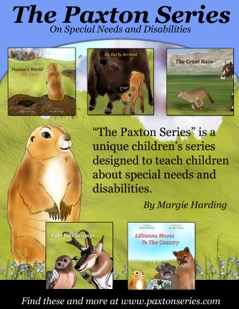
I wanted to start something new and feature other opinions, ideas, and authors on Fridays. Today, I’d like to introduce you to Margie Harding, author of The Paxton Series.

~~~~~~~~~~~~~~~~~~~~~~~~~~~~~~~~~~~~~~~

Writing is a passion I’ve been developing for many years.  While I blog, have written devotionals for teen girls, a novel about my experience of attending college as a non-traditional student thirty years after high school graduation (receiving an AA degree in Elementary Education), and more; I have been provided yet another challenge that warms my heart.

For years I have said, “It takes a special person to be a special education teacher and it isn’t me!”  I have five children and sixteen grandchildren and still a special education interest alluded me!  It was never my heart’s desire.  God has a sense of humor, I think.  After all these years of avoiding special needs and disabilities, I have begun a new children’s book series on this particular subject!

We call the series, “The Paxton Series” with our setting in the Black Hills of South Dakota, paxtonusing the wild animals of the area as our characters.  (Paxton the Prairie Dog shows up in every book, if nothing more than in a cameo appearance!)  The books are written for the child with the disability or special need….and for the child that asks, “What is wrong with my friend?” —and there are amazing illustrations, thankfully from someone who is able to acclimate the disability to the particular animal!
When the series started, I had no intention of a “disability series,” yet it morphed into this before I’d realized the need for this kind of material or impact it could make.  I attended a church organized disability conference two years ago and for the first time heard the term “disability people group” and learned much about these special people for whom I was writing!  The statistics astounded me!  I knew this was to be my life’s mission.

I am delighted to say this series is being well received –and will continue indefinitely! (The list is up to 60+).  Doors have opened I never imagined as schools, colleges (using them to teach students to be special needs educators) and other groups have found the merit of sharing these books with children, parents, educators, medical staff and others!

Invitations to share about the books from a “special needs” perspective, have also arisen and I am delighted to be an advocate for these children (and adults) who are often neglected in a variety of areas, (even if unintentionally) including written stories they can relate to.

There is very little actual reading material for children who have special needs; and paxton2certainly not for those young ones introduced to special needs children, as integration into mainstream classrooms continue.  Their peers are often confused by what they see as “different” and perhaps even “wrong” when it can’t be defined by the “normal classroom rules.”  My books attempt to bridge that gap, and are a great starting place for teachers.  They are written to aid in understanding, inclusion, and acceptance of those behaviors that are different from the traditional “norm.”

There are ten books in the series currently.

Paxton’s World on Fire                                                          Introduction

An Early Arrival                                                                     Preemie

The Great Race                                                                       Asthma

Ears Like Gramps                                                                   Hearing

Lillianna Moves to the Country                                              Down’s Syndrome

Micah Mink Goes to the Concert                                           Autism

Mixed Up Words                                                                    Dyslexia

Special Goalie                                                                        MD

Opal’s New Dream                                                                 Arthritis

The Camping Trip                                                                 ADHD


Coming soon:

The Spelling Bee                                                                    Diabetes   (September)

Madison’s Sad Christmas                                                       Depression (November)

Bristol Goes To School                                                          Cancer      (2019)

Harbinger Village                                                                   Cerebral Palsy     (2019)

Fabian’s Smile                                                                        Cleft Palate            (2019)

Our children face an amazing list of challenges.  God has placed me in a position to be able to do something fundamentally good.  I am humbled to be able to place words on paper that can help children understand what is going on in their bodies, as well as, a resource parents and teachers can use to help other children understand what is happening with their friends who seem different than themselves. If you are interested in any of these books or those to be released in the coming months and years, contact me, authormargieharding@gmail.com or visit http://www.paxtonseries.com or amazon.com.

**An added note — All 10 books are both in softcover and hardback….and we are just beginning to add a toddler version of the current K-3rd grade books (although the books are used for older students in special education classes, as well), and I am working on a chapter book!  The first toddler book, The Big Fire, should be available in just a couple weeks.


~~~~~~~~~~~~~~~~~~~~~~~~~~~~~~~

Margie – thank you for guesting. I’m grateful I could host your blog and further the word about these important books.  NL


Writer Wednesday: Writer and Writing is a Relationship

heartI know people say writing is a commitment, but it’s more than that. Writing isn’t “like” a relationship, it IS a relationship. A writer must be involved with the whole process of writing, must love it, need it, want to continue to work to make it better. It takes commitment, time, dedication, and the desire to move forward in life with writing.

A few years ago, I was at a conference where the main speaker (don’t remember his relat 1name) said, “You have to be selfish. You must take the time for yourself, for your writing.” He went on to say he spent every Friday at a hotel with his writing. (are you picturing him checking into a seedy, no-tell motel with an old typewriter?;-)

My friend joked, “Noreen does this thing where she actually spends time writing.” My regular action became fodder for humor because he is a writer, but he falls under the category of non-writing writers like many others.

Life happens. We have families, pets, jobs, homes, tons of responsibilities. But notice that list – I put family first. People we love comes first. This is why a writer might consider writing as a relationship – so they give it priority.

I schedule things around my writing whenever possible. I will make doctor appointments, meetings, and everything I have power to plan secondary to my writing by scheduling them before or after my planned writing time.

Once a person considers themselves in a relationship with their writing, they may relat 3naturally form relationship goals! If writing were a romantic relationship, how would you handle it differently? Would you want to go to sleep with it or wake up with it or both? What would you want to give it? Would you spend more time with it, going over the details, working it out so it was just perfect, going over it and over it again to work it out nice and smooth? What do you do for your significant other? Take it out to dinner? On vacation?

Writing, like a lover, needs constant attention and nourishment. Placing it on the back burner means we may never get to it. It’ll be there, but not as warm and flush as we’d like. Being in a relationship with writing means the needs of both are fulfilled. Writing is fresh and flowing and continually improved and the writer is happier, more productive.

We do this because we love it, we are driven to do it. Treat writing like it’s important to you.

Think of writing before you fall asleep, when you wake up in the middle of the night just to say one more thing.

relat 2

West End – the opening chapter

Hi, All.  I was feeling West End today. I wanted to share a little portion, but couldn’t decide, so I give you all the opening selection for West End.  Enjoy.

front-cover-small

BEFORE MY MOTHER drank herself to death, I knew her as a gentle creature who fed wild squirrels from her hand.  On the back patio at mid-day, she’d stand very still, calm, peanuts laced in the fingertips of her outstretched hand. The squirrel, a female, her babies came later, approached with caution, across the railing, onto the windowsill, grab the nut, run to the other side of the patio where the squirrel peeled back the shell, ate the meat, then returned for another and another. For a while, the squirrels became my mother’s greatest pleasure.

When the female squirrel stopped coming, my mother worried, but the baby squirrels continued to visit. Then, the cubs must have grown, left the nest, because one by one they disappeared until only a single squirrel came to the daily meeting.

That winter, mother’s heart sucked itself dry. Familiar faces appeared, distant relatives, long-ago friends, who talked our concerns away with assurances for tomorrow and beyond.

“Little honeys, it will be okay.”

“I brought the eggplant casserole, green dish.”

“She was a wonderful woman.”

“Call if you need anything.”

Sarah and I stood at the door where someone’s aunt told us to stand. We pointed people who carried in food to the kitchen, guided people with flowers to the dining room, pointed the rest to Daddy who sat on the couch, gaze glued to the floor. We didn’t have to say anything, and no one asked.

The familiar strangers came and went and with them, our mother, our hopeless youth, our language.

The house became quiet. I couldn’t remember the last complete sentence I spoke or heard, couldn’t remember the last partial sentence I’d said to my father or he to me. My sister and I exchanged words, hushed, sometimes soundless breaths only we knew the meanings for. We lived our lives in half-words, pale sounds that sunk into the silence, in ideas of what we had to do next: breakfast, school, homework, laundry, dinner, dishes, bed. This soundless process became our lives; a strange off-balance way to live, but we did it for some months content not to break that pattern.

One cold February morning, a descending snowstorm blocked the roads, locked us indoors, kept us from going to school, our father from his work. Our first full day alone together in the house. Sarah and I sat at the painted brown kitchen nook picking at our cold Raisin Bran; the milk just tangy enough for us to question the freshness. A tapping noise brought our eyes to each other’s. Then silence.

“Wind.” Sarah exhaled with barely enough voice to make a sound much beyond the breath itself.

“Yeah.” My voice not much stronger. We returned to the cereal.

Tap…Tap…Tap…

Her gaze followed the floor to the sink, the counter, the back door.

“The door?”

I shook my head. “Nah.” Not today, at mid-day, in this storm. “Wind.”

I slipped from the nook; she followed. We stood, somewhat unnerved when the tapping came again. We could see through the glass in the door; no one stood there. I moved to the windows to get another view of the patio, leaned over, heard shuffling, then rattling against the window. We jumped. A squirrel clattered against the window, caused us both a momentary and laughable fright. Sarah touched my arm. We each took a deep breath. Our first that winter. The squirrel, the female or one of the children, we didn’t know and could never tell anyway, gave us a quizzical look, stretched up against the window; her little paws stretched against the glass. Tears welled. Quiet, unmoving, we held our breath, each other, tried not to let out the flow of emotions the winter built up.

Father’s footsteps, heavy on the linoleum, came toward us. We straightened.

“What’s going–”

“Shhh,” we both hushed him; his rough, dry voice might drive the squirrel away.

“It’s the squirrel,” Sarah said.

He looked puzzled.

She motioned toward the window. “The squirrels Mom used to feed. She used to give them nuts.”

“Well, give it some.” He waved his hands at us.

“Where are they?” Sarah pulled open random cabinet doors.

“I don’t know.” I opened the opposite cabinet doors.

“Well, look, look. They have to be here.” Father took to the drawers.

The three of us searched for a bag of peanuts Mother bought for the squirrels, hid from us to deter our snacking.

“He must be hungry.” Father gazed out the window at the back yard covered in snow. The porch railings, the powerlines, all draped in sheets of white; the squirrel, nervous, waited at the end of the banister. “Peanut butter. Get the peanut butter.”

“Will he eat that?” Sarah reached for the jar.

“Certainly,” Father assured us. “It’s peanuts, isn’t it?”

I grabbed for the bread.

“Just spread it on,” he said, more animated than I’d ever seen him.

We did.

“Wait, he can’t eat it like that Break it up.” He put his hands in the mess with ours.

Of course, we knew, but at the moment, that strange, unsettling, yet somehow comforting moment, we all needed to take part.

Sarah set the plate on the patio just outside the backdoor. The squirrel chattered, juddered its head from her to the door, the windows, its tail jerking back and forth as if with nervous jitters, then approached the plate, took a piece, and skittered back to the railing to eat it.

Dad ordered us away from the window. The little squirrel tittered, danced delicately, tail flitting, to take more food. We backed out of the kitchen.

Something shifted inside the house. The rooms warmed. The silence faded. The house took on old noises; the refrigerator hummed; the kitchen light buzzed; switches flicked with their old sticky clicks.

Our voices returned. We spoke more than mere sounds. We’d broached full sentences. But I don’t know if we ever surpassed that. We’d never been a family of paragraphs or stories. Laughter rarely rose to the ceiling. Now, with one of the speakers forever hushed, we were destined to be something less than complete.

Winter dissolved into spring; the strawberries mother planted last summer grew green, red, wild. We left nuts out all the time. Sometimes squirrels ate them; sometimes they’d sit until the birds got them or the ants swarmed them.

Sunrise reopened in summer, but never again did we hear our names called from the front patio as we walked up the street, never again did the light intonation of words follow us through the night, “not too late,” never again, upon our return, would we be met with a drunk asleep on the table with just enough consciousness to whisper “too late” when we passed through the kitchen to go to bed.


*West End is available on Amazon, Kindle, and Audible.