
I whole heartedly believe our physical and mental health are related to what we put in our bodies. 
When I witness food crimes, health demeanors, nutritional scofflaws, I want to share them. Therefore, on Mondays, enter my take on nutritional related topics.
I caught three or four minutes of The Ultimate Warrior the other day. The participant said, Cystic Fibrosis had controlled his life; he was on 36 medications a day and other therapies just to survive. He began educating himself and designed a program in which he took control of CF. This regimen consisted of healthy food and exercise.
 Many people try to eat healthy and do something to improve their overall well-being; however, they are short-circuited by a food industry that play on key words and pop culture and is more interested in their own bottom line rather than healthy consumers.
So – in this space – on Mondays, I hope to review products, give links to sites I’ve found, and offer a little advice.
Disclaimer: I am by no means perfect, and none of us should try to be. But we should be informed enough to make wise choices.
For the first entry: Cashewgurt. 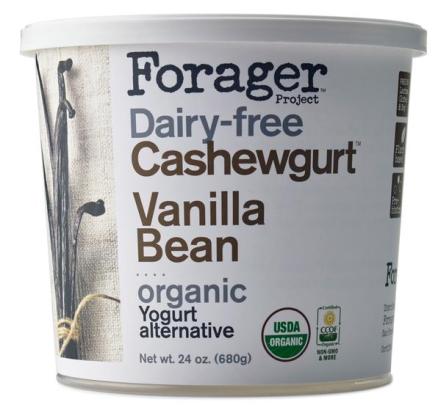 A yogurt made from cashews. It’s the new nondairy alternative.
I’m not sure how it happened, probably companies tracking my eating habits through supermarket club cards, but I’m occasionally offered free product samples. Cashewgurt was one of them.
The thought of a healthy, richly textured, nutty tasting, and protein filled near desert-like product filled me with anticipation.
I pulled back the tab and was met with… well… not quite vanilla looking, darker than your typical color of vanilla of yogurt.
I love cashews. Did I mention that? I love nuts. I was completely willing to give this product my whole heart.
 I dipped the spoon in the little cup and brought the not quite buoyant, not quite fluffy or even firm yogurt to my mouth. I could almost taste it before it reached my lips, and that wasn’t because of the scent of vanilla, but the overwhelming aroma of chemical manipulation.
It smelled a little funny, not bad just odd. And it tasted a little campy. No, seriously, like we’d been camping and it got left out in the melted ice of the cooler. But we hadn’t been. And this hadn’t been. This was fresh from the grocer’s cooler, to my fridge, then to my mouth.
It didn’t taste nutty. It barely tasted of vanilla. The after-taste that tortured my tongue was something like an old Tab soda burp that wouldn’t go away. The saddest part was the consistency – like near melted ice-cream. Not what I like in a yogurt, although some people do.
I felt this product, the taste, the after-taste, and the lack of consistency reinforced the stereotype – healthy food doesn’t taste as good.
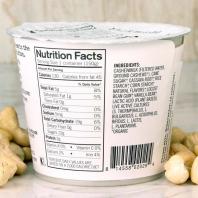
The label reads:
*Made from cashewmilk. Watered down cashews. The second ingredient is sugar. (The rest of the ingredients are the experiment in how to plump up cashewmilk and sugar.)
*12 grams of sugar, 2 grams of protein.
When I buy food, I have a few rules I attempt to follow:
- One of the first three or four ingredients should not be sugar.
- The grams of sugar and protein (and probably fat) should be somewhat even.
12 grams of sugar and 2 grams of protein for a yogurt inspired from a nut seems somehow disappointingly wrong.
I had high hopes for this one.
Ladies and gentlemen, we all eat food that is not great for us. I take issue with companies which market products that pretend to be healthy and are, in fact, not. Overall, yogurts fall under deserts or snacks in my book. There are some that come close to the balance between sugar, fat, and protein, and those are the ones I choose when I desire a flavorful adventure that is not desert.
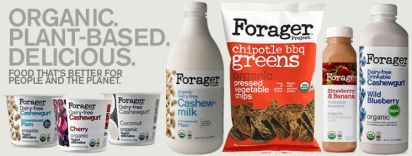
Forager’s slogan is “Food that’s better for the people and the planet.” I have to disagree with that one. There is too much sugar in Cashewgurt to be healthy or “better.” And both, the taste and consistency, needs work.
If you’ve tried it, let me know what you think.
Next Monday – nutritional scofflaws
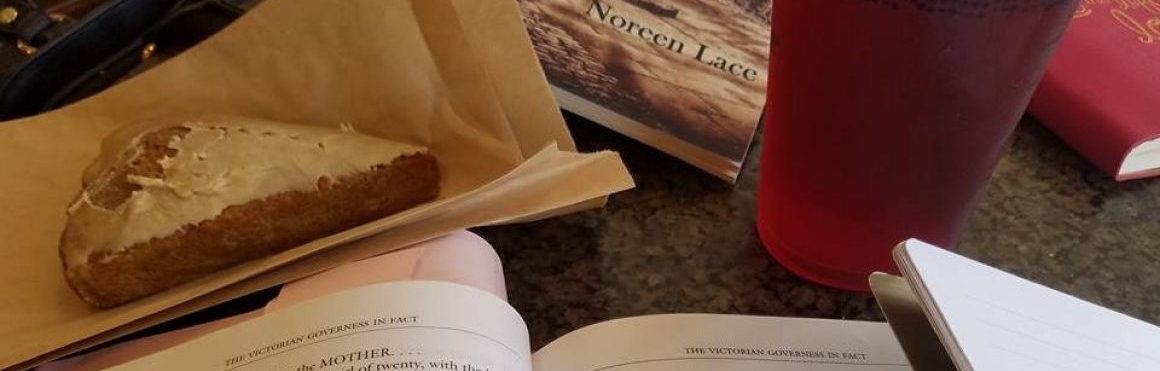
 I tried a new drink; the front label boasted a vitamin drink. I didn’t take the time to read the ingredients. I was thirsting, it was cool and promised refreshing goodness. But, after drinking half the bottle, my stomach began to ache. I put it aside.
 Previously, some of these artificial sweeteners had been linked to cancerous tumors in rats.

 They are more like pastries, tarts, danishes, if you will.
 occasionally a few currents or raisins. But the point of a good scone is to have a choice of cream, lemon curd, or jam, not a mystery filled fun fest for which consumers risk diabetes.

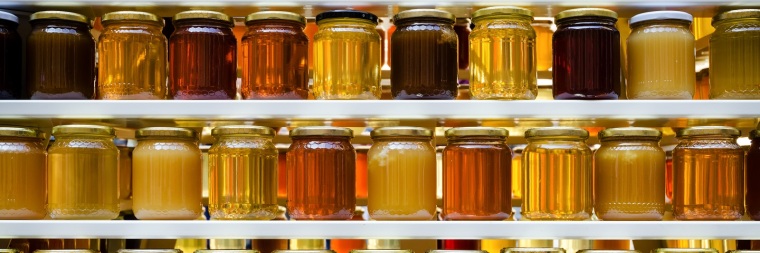
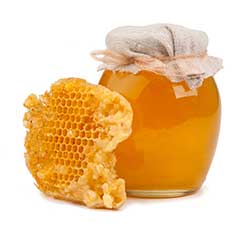 note agave lovers and brown syrup believers, your alternative all-natural sweetener may contain some Karo.
 Manuka Honey, which sells for $20-$40 per 8oz is said to have significant antibiotic effects.

 I am not ignorant to the lavender cookies, ice cream, drinks and everything else floating around shopping aisles at the local markets and calling to me from the bakery store windows.
 musk reminiscent of the sweet earth on which we thrive.
 desire to scrub my pores with chocolate scented exfoliate nor spread a mocha cappuccino mask over my hands, I don’t want a minty fresh eye gel or an apricot foot cream.


 See me two months ago for my first set of anxiety attacks. There’s a lot going on right now, but I’m usually the queen of calm. But too much caffeine and not enough physical exercise, and the onset of anxiety happens. I know this because my sisters have anxiety and the first thing their doctors said is “cut out the caffeine and chocolate.”
 tea, chocolate or any guilty pleasures, but to a new schedule and my body trying to get used to it – I spent one night tossing and turning and getting up and laying down, breathing deep and keeping my eyes closed, but to no avail – I ended up falling asleep around 4 in order to wake up at 6am. I felt zombie-like.
 Starbucks sent me an email (yes, me personally, about their early release of Pumpkin Spice Latte), but I ignored it, telling myself I was off the hard stuff. I didn’t need any espresso and sugar to get me through the day, just good healthy food and clean, clear water. Besides, it’s far too early to imbibe on pumpkin anything.


 And
And 

 Noreen Lace
You must be logged in to post a comment.