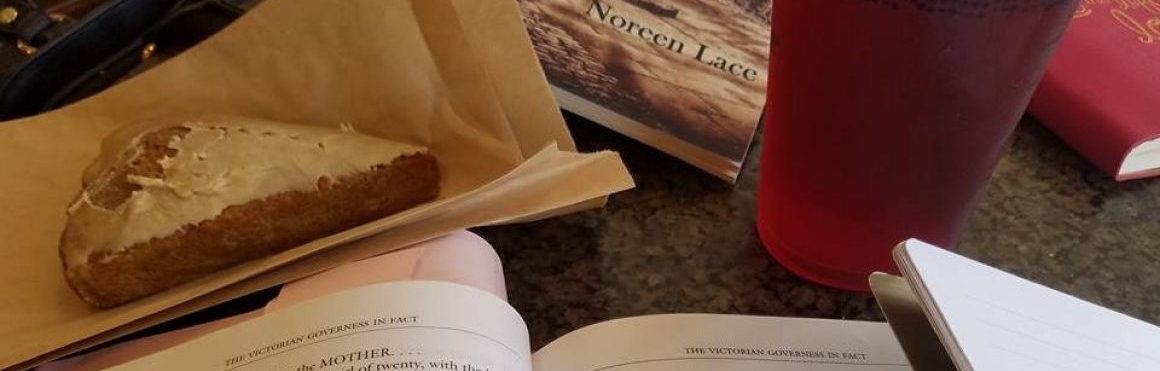
Writer Wednesday: 4am Success

No, not me. I don’t get up at 4am, but some successful writers have.

earlyriser2Auden, Hugo, and others woke at 4am

Vonnegut and Angelou woke around 5am.

Milton and others at 6.

Sadly, I’m more along the lines of Stephen King, I like to be in my writing chair by 8 with a cup of tea; however, if I wake up earlier or later, it doesn’t mean I waste time. I get my rear in that chair – inspiration or no inspiration. Sometimes I start writing and don’t stop until hunger threatens; sometimes I stare at a blank page forcing words to lay down.

Occasionally, I consider attempting this 4am lifestyle. But I wonder how effective I’d be for the earlierriser3rest of my day. I’d have to change my thinking first – about sleep and the lack thereof. I value a good night’s sleep.

However, it’s true – 4am – no disruptions, no appointments, no phones ringing, no neighbors knocking on your door. 4am does have it’s benefits.

It’s not imperative to get up early (although studies show earlier risers are generally happier!); it is paramount to have a routine. Mine works best when I roll out of bed, make tea, shove open the curtains, and start writing.

What works best for you?

early-riser-810x455

Nice Feature of West End –

Thanks, Darrell!

Check out SnowFlakes in a Blizzard

front-cover-small

If anyone would like a free audible copy – let me know by commenting below. First two people only!

Friday Feature: Submissions

This week for the friday feature, I thought I’d offer tips on Submitting.

Last year, I had 17 or 18 publications. This year so far, I’ve had maybe 9 or 10 acceptances. I must be doing something right.  submissions-photo-01

I think it should go without saying your work should be free of grammar and punctuation errors. I heard from one writer who was offended by an editor; her response: “I know I had errors, but they weren’t that bad.” – No excuses. Edit that work before you send it out.

First: Make a regular time to sit down to submit. This takes HOURS. It’s not going to be just a fifteen minute or thirty minute venture. You must read what the lit mags are looking for as well as how they want it submitted. Then compare it to what you might have already written, or what you’re willing to write.

Second: Keep track of your submissions. submissions1

Third: Accept rejection. (It tells me that I’m doing my job by submitting.)

Fourth: Accept criticism. You are going to get opinions. Just today, I received a rejection that said I repeated a word. That was the whole of their rejection. The word in question was repeated twice in the whole story, but I guess they didn’t like it. I moved on.

Fifth: If they ask for changes – agree (maybe). I’ve met many writers who take issue withsubmission this. They wonder if I don’t care about my work. They think I’m mad for even considering it. There are some things I won’t change. But, so far, the editors who have asked for changes have asked for simple things like rewrite this sentence, change this punctuation. No one has asked me to make major changes to any piece I love.

And Finally: Be considerate to writers, editors, and publishers in emails, on public sites, and anywhere you may meet them. When you act inappropriately, word can get around.

Publications Page

Amazon Page

submit

Writer Wednesday: Experience Vs. Research

Someone asked me if I write what I know. For many, that would be limiting. We write what we know in some intuitive way, like people, emotions, relationships, and some places. But that’s not all we write.catacombs

Nothing adds to a story like those little details that you’ve experienced, like the slick, moist, near sickly feel of your skin on a humid day in Paris after emerging from the chilled underground of the catacombs.

The difference in squeezing the smooth texture of black sand from Punaluʻu Beach in Hawaii between your toes and walking on fine, compacted white sand of the Whitsunday Islands in Australia.

blacksandEvery beach is just a little different. Just as the light is, depending where on the planet you stand. Being there helps.

But, research is also necessary. Maybe not to describe the sand between your toes, but other important details about place. Incorporating the general details or impressions as well as the smaller, more personal elements creates a more vibrant and more relatable to readers.

Stephen King thanked his research assistant and stated he met a lot of nice people in Oklahoma where his new book, The Outsider, is set. Experience and research.

Many of us can’t fly to Darrien, Washington and spend a week or longer researching a small town setting in the pacific northwest, but we are able to view maps, read the newspaper, follow the instagram sites, ask travel groups and even call the travel bureau in any given state.wander.jpg

I love experiences – Traveling and getting lost in a new place, picking up those sensual memories to infuse into writing and future!

Experience is a great thing, but it’s not the only thing. Research back ups and fills out details we may have missed.

Where have you been that you’ve written about?

Happy Writing!

Friday Feature: Building a Community of Writers – Rebecca Clark

Hi, All.  Today, I asked Rebecca Clark to tell us about The Writer’s Point.

~~~~~~~~~~~~~~~~~~~~~~~~~~~~~~~~~~~~~~~~~~~~~~~~~

fridayfeature


My name is Rebecca Clark. I am the founder of The Write Point, a free social networking community for writers, editors, publishers, beta readers, and literary agents.

Here’s my story.

For the past 15 years I’ve been writing fiction stories. Mainly for myself. It wasn’t until about 7 years ago that I thought maybe I could actually publish something! I wanted to share my make-believe worlds with others. So, I dug deep into the Internet to see what I could find about agents, publishing, the editing process, and what ever else a successful book entailed. I found several forums full of knowledgeable authors.

Forums are messy, in my opinion. I was a brand new writer lost in a world of writers who knew everything I needed to know, but somehow I felt that I didn’t fit in. There was one forum website in particular that made me feel like I shouldn’t be a writer at all. Every question I asked was answered with “google it”.

So, I googled it. I learned so much on my own, but I really just wanted to be a part of a community, some place where I felt at home with people just like me.

Last year, I decided that if I couldn’t find a place to call “home”, I’d create one. So, I did! Fortunately for me, a couple of years ago, I graduated with a degree in Computer Information Systems: Website Development and Design. I could take the time to build upon the idea, and actually understand what I was doing in the process.

The Write Point is a FREE community that I hope will become a place for new writers to feel welcome, and experienced writers can share their expertise without making anyone feel like they aren’t good enough!

Noreen, thank you for allowing me to share the story of The Write Point. To learn more about us, visit https://thewritepoint.com.

The Write Point Facebook page is: https://www.facebook.com/thewritepoint

You can also find me tweeting here: https://www.twitter.com/bekkahclark and here https://www.twitter.com/twp_network

~~~~~~~~~~~~~~~~~~~~~~~~~~~~~~~~~~~~~~~~~~~~~~~~

Many thanks, Rebecca.

Writers, Enjoy!

weekend

Writer Wednesday – The Mystery of Flow

Door-Into-MindIdeas come easily to some writers, not so smoothly to others.

There’s a little door to our writing mind which must always remain open and then things will flow in and out. it’s a frame of mind, to be open and to listen, or to always have writing on your mind, like a song playing in the background.

In a supermarket, the cashier says something to me. It could be an every day comment that strikes me a little strange. That (creative) door is standing ajar and a shadow is leaning against the frame when the cashier, red hair piled 50’s high, said something about “blueberry pie.” But I heard Blue Pie. My writer mind twirls within possibilities. That idea that lingered at the door-frame to my writer mind smacked right into the blue pie and it became a dog named Blue and Grandmother’s award-winning pie at a local fair in the height of the home-making 50’s.

I’m standing in the window of my little home watering plants; the catnip falls to my feet and I remember a dream I had the night before. Catnip Dreams begins whirring.doors

Enough of the bleating sirens, says an annoyed neighbor upon hearing yet another car alarm as my dog anxiously howls at the buzz. He says sirens. I hear a howl. I see ancient mermaids sitting on a rock caterwauling.

The space between our everyday life our creative brain must not close. Between kids and to-do lists, work and school, it must become a screen which catches things and holds them, even somewhat distorted, until we race to a notebook and write.

doors.jpg

Food Crimes: A Lover’s Revenge

muffins2

Many years ago, in a suburb north of Los Angeles, Eat My Cupcake was in danger of becoming another victim of the gluten-free, sugar substituted society when Zin stepped in.

People wanted choices, she said. Eat my Cupcake changed to Eat My Muffin and featured exclusive, secret recipes that other bakers tried to duplicate but none succeeded; the some sweet, some savory, some healthy, some masquerading as healthy became a much sought-after experience.

Therefore, in the once nondescript neighborhood with the small bakery, lines around the corner formed beginning early each mornings, people waiting for the one and only Zin’s famous muffins.

Among one of the favorites was a Millet Muffin. The savory-sweet combination of light and fluffy grain pastry was a hit. muffins1

Zin was offered money, lured by head baker guarantees at more established places with promises of salary, health insurance, assistants.

But she liked where she was, who she was, and the freedom to create.

Rob became Zin’s lover years before she became almost-famous. Rob followed her from place to place, always a second to her baking but accepted the position. They loved each other.

But more hours meant more workers meant more people in Zin’s life. Zin had two weaknesses, fresh white flour and sweet young flesh. She slipped into an affair with one of her assistants, Rob was heartbroken and angry.

muffin3One night, crying over a tequila sour, the recipe came out in a drunken slur. Friends who sympathized turned for a single moment to make a note.

Zin begged forgiveness and agreed to work fewer hours, no assistants. Rob forgave her. He barely remembers his drunken night but thinks something may have slipped. Zin is blissfully unaware that her recipe is being shared in whispers like a friend’s quite insinuations.

What follows is the rumored recipe from a once famous bakery and a once famous baker.

Millet Muffins

½ cup of millet

1 ½ cup of flour

1 tsp baking soda

Dash of salt

½ – ¾ cup of brown sugar

1 (room temperature) egg

1/3   cup of butter (room temperature)

¾  cup of buttermilk (room temperature)

Mix the wet ingredients

Mix the dry ingredients

Oil the muffin pan/preheat the oven to 375.

Mix the wet and dry ingredients together and place the muffins in the oven.

Bake for 18-20 minutes.

muffins4


*Based on a true story. Names/places changed.

To the best of my knowledge, this is the original recipe. Although I have not baked them myself, I’ve been the beneficiary of the final product. Mmmm.

There are two lessons to this story. First – don’t cheat on your partner who may have your secret recipes. Second, don’t trust a writer with your stolen secret recipe.

Writer Wednesday: Napccident’s Happen

Screenshot_20180228-182712.jpg

Napccident: when a person rests their eyes

and unintentionally falls asleep. The napccident

may last anywhere from five minutes to two or more hours.


I read an article that stated mental and physical exhaustion are different and that those with mental exhaustion nap to re-energize. Writers are, sometimes, prone to mental exhaustion. We are excited by our writing, then we crash. Or, those days when writing is torturous, we want to crash.

Another article stated that naps are ways to procrastinate.nap

Both are true. I’ve rested to recover from a challenging writing day, and I’ve definitely taken advantage of interludes as a means of procrastination. However, when I’m excited about my project and it’s pouring out, I rarely pause. I even have a hard time sleeping at night because my mind is alive with story.

When I get stuck on a piece of writing, a plot point, a character, I use respites to help me overcome that difficulty. By being still and allowing my mind to wander within the story, the challenge is overcome.

Decide if your napccident is avoidance behavior and make it be productive for you.

In yoga, we set intentions. If you lie down or close your eyes to procrastinate, accept that behavior and set an intention to be more productive. It’s not the pressure of a goal or promise, but it’s an email to your unconscious to get back on track.


Happy Napccident!


nap1

Friday Feature: Guest Author P.S. Malcom

I’m happy to have P.S. Malcom’s writing advice to offer today. Enjoy!

~~~~~~~~~~~~~~~~~~~~~~~~~~~~~~~~~~~~~~~~~~

Three Ways To Come Up With A New Book Idea

I’m so excited to be here on the blog today, and I wanted to chat about writing.

Us writers sometimes get the urge to write something—anything—but often find book1ourselves with a lack of ideas or inspiration. This is a really tough position to be in because you have the motivation to create and write, but nothing to work with. *Cue frustration*

Of course, this is worse when you have deadlines to meet or depend on a good portion of your book sales to pay the bills. You gotta keep those books coming! So today, I’m going to share three tips to help you come up with a new book idea:


1) Get inspired

I know, best advice of the year right?

book1It sounds simple and blunt, if you’re not giving yourself space to get inspired, you can chase all the inspiration in the world and still end up with nothing. Stress from work, family life, responsibilities and pressure can all contribute to a block in your creative energy, and if you don’t make time to relax, unwind, and just chill, you won’t be able to imagine and envision your next story idea.

So my advice?

Do something different, whether it means going for a walk or a drive, spending an hour reading at a quiet café, heading to the beach for the day, painting or playing a musical instrument for an hour, or sitting in a hammock with your earbuds in. Whatever it is, make sure it’s an hour of distraction free time, and don’t force yourself to think up ideas. Let them come to you in the flow of the music, or the visuals of the painting, or the concepts of the book you’re reading.

It might take a couple of tries, but if you stay consistent in giving yourself space, you’ll find your inspiration again. I always get my best ideas (such as the inspiration for my Ryan Rupert Series) while away on vacation or immersing myself in something new.


2) Ask yourself questions

I’m not telling you to sit there like a lunatic and talk to yourself. What I mean is ask yourself questions about your current WIPs, or journal your thoughts, and ask yourself what you don’t know about your budding story idea yet.

Quite often, we come up with a simple, small concept but fail to expand on this idea enough to turn it into a feasible, book-length story. This results in us sitting down to write with our amazing new story idea and being stuck on where to begin because we have no clue what the story is about yet or who’s involved and why.
book1.jpgWhile this is all a process undertaken as we write, it’s a good idea to get clarity on the bare basics before you begin putting pen to paper, so ask yourself what you don’t know, answer what you can come up with, and go from there. I use this method all the time for my own books, and it’s also something I teach my writing students too.


3) Pick a topic and expand on it

If you’ve got nothing—not even a concept to work with—this is where you pick something you’re interested in and expand on it.

If you love mythology, you might browse through some of your favourite stories until you find an idea or concept that interests you, and find a way to put your own unique twist on it.

Or, if you love a particular country, you might immerse yourself in it’s culture and think about how you can tell a story from the perspective of somebody living that lifestyle.

There are so many possibilities to choose from, and you can turn any personal passion into a story. Just try it! You might not end up with a book-length story, but even the practise can help you get back into the swing of writing and help you conjure a new idea for a full-length book.


I hope these tips help anyone struggling to write!

Also, thank you for having me on your blog Noreen.

P.S. Malcom (Webpage) (Facebook)

Ryan Rupert Series

Starlight Chronicles

~~~~~~~~~~~~~~~~~~~~~~~~~~~~~~~~~~~~~~~~~~~~~~~


You’re welcome. And, Thank you. Simple reminders are the best.


Monday – a new food section on food on this blog. Who does not love food?

book1


Writing Wednesday – STRESS!

stress

One of the worst types of writer’s block is caused by stress.

I like to roll out of bed and get straight to writing before any other distraction or activity comes up. I find that I work better and longer if I push everything else away until a manageable time. However, I find stress takes me completely out of my writing brain.

Where I can stop for breakfast, talk to friends or family, or even keep an appointment and get back to writing, when I’m stopped by a stressful event or activity I find it extremely difficult to do any work.

The good thing is that it takes a lot to get me to that level of stress; however, that’s not so Stressed-Brainfor many writers. Besides the littlest distractions causing problems for many writers, any stress weighing on a writer can keep them from being productive. One of the elements of stress is the inability to focus on anything else – it is the most distracting distraction a writer can face. Stress causes us to avoid things – things like writing!
If you’re experiencing something like this and can’t get on track with your writing, you need to ask yourself what is happening in the background of your life. It depends on each individual’s ability to handle stress, but it could be a small thing like a car problem or a large thing like a family problem. These things wreak havoc with our ability to be productive.

Again, my cure for this is to focus first on my writing and, second, on anything else. Cures for others might be similar. Block out the stress and focus on the writing – this could be a way of de-stressing. Creating a time to worry about problems is an age old recommendation. Years ago, someone told me “plan ten minutes before bedtime to worry.” I, personally, prefer before sleep and after waking to be the least stressful times. But it could still work – schedule your worry time like we all should schedule our writing time. Or, give yourself time to solve that problem, and realize if it’s something you can not solve and let it go.

stress2Let it go! If it is a stress we have no power over that is the only answer. It will pass. Focus on the writing, that you can control!

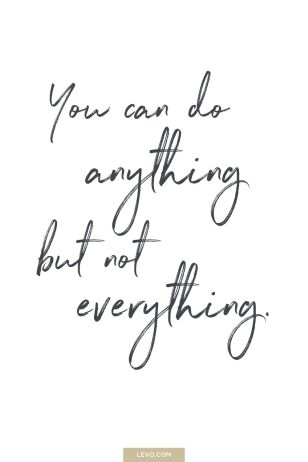
I like the quote “you can do anything, but you can’t do everything.” That’s what we have to remember. We can choose to stress about problems that we can’t immediately solve, or we can choose to use our writing as a distraction from that stress.

If you’ve found anything that’s worked for you, please post it in the comments!


Next week – decision making and writing.