The Soul is Sold One Piece at a Time

Do you remember who you were so many years ago when you began this journey so full of dreams? MTV was novel and the world was wide open.

The first pinch might be the hardest. It’s such a small, small thing. A tiny piece of flesh in exchange for what seemed like so much.

What’s another pinch?

Because the world is so big.

The city is made of blocks and on those blocks are neighborhoods, and somewhere in those neighborhoods you stopped feeling the pain,

around the corner is where you began to buy in. You didn’t even realized you had wandered so far from the home of your soul.

The world is four walls with an internet connection. We travel so far without going anywhere at all. It’s safe and warm and full proof. The commercialism of promise. The bindings of success.

Within, that child waits for second life.

My mind is a dry, dry desert

The waters cease to flow and my mind becomes a dry desert, void of any green and brown or dreams. Words fail me. Dedication wanes. I posture in contention with an empty screen, my silence doing little to reach resolution.

The tea pot whistles, the phone pings, a dog barks in the distance and I remove myself to interject where wanted or needed. Anywhere but that blank screen and my vacuous mind which refuses to fill it.

The dry times are the hardest. I remind myself it’s temporary; I list the ways, committed to memory, of how to overcome, outdo, move forward. But I am uncooperative.

I need new stimuli, a piece of starlight dropped at my feet, the feather floating before my eyes, but it’s all just lies.

I blame the hostility of empty souls, the long blankness of lock down, the right light, the wrong pen, but it’s meaningless.

Streams create rivers which become lakes and flow into oceans. Water wedges into openings, fills spaces, creates movement.

Stay open. Always stay open.

It’s all over now

The long covid winter has has taken so much. Our days languish. Our nights persist.

And I have adopted men’s pajamas.

The need for attractive shoes disappeared within weeks of the lock-down; the stylish pants and dresses went soon after. By summer, we donned our yoga pants and tennies. When the first chill of autumn blew the leaves from the trees, we switched to sweats where we have lived quietly, but not quieted, through the holidays – unveiling pretty sweaters in our above the waist zoom camera-shots.

January sprung confidence in the new year. But February rolled in, hope stilled in the cold snow, and it happened. The wind chill dropped and the dryer broke. Sitting on the coffee table, a forgotten gift, still wrapped – I tugged the ribbon and unpacked the thermal flannels. I studied them begrudgingly for a single moment before I slipped them on.

Warmth.

The lust for spring freedom is shackled. It can waste away in dreams now.

I have donned men’s pajamas and may never leave my writing desk ever again.

Lay it down

I love when story, seemingly already written on an ephemeral cloud, comes to us. The words pour down and we lay them on the page. They are marshaled in divine design.

It feels like magic, like power. This is genius and, we, the mere conduits.

Then…

There are those stories that drag us pathetically across the calloused black top, burn our fingers and crook our spines, harboring a shadowed threat of what it might become – one day.

We are not magic or power or even conduit, we are witch and warlock and cursed all at once, damned to live an obscure existence sucking on green m-n-m’s and cold coffee.

One moment sailing the skies, the next scouring gutters for unredeemed inspiration.

It’s a writer’s life.

Not for the weakened soul.

The Healing Power of Our Story

Many years ago, I sitting uncomfortably in a hard wooden chair waiting for class to begin. The instructor had just begun speaking when the door squeaked slowly open and a rattling sound was heard, but no one stepped forward. We all turned toward the door wondering. The instructor even stepped to the side of her desk, ready to snap, “Close the door,” when a woman struggled in.

This lovely woman’s posture was bent and crooked, one hip higher than the other, one leg starkly stiff, the other crooked. She used two hand held metal crutches to help her maneuver through life. She huffed and hemmed, the groans of constant pain that the person making the noise no longer notices. Someone offered her a seat, saving her from walking two aisles over and four seats back, which she willingly accepted. Then we went on with class.

With the majority of us in our twenties, this class became a favorite. The teacher was a 40’s woman with a streak of gray in her blunt shoulder length dark hair. She was open and outspoken, persuading us to be the same. Her guest speakers were radical, loud, and insisted we stand up for ourselves and scream to be heard.

Throughout the semester, the woman who wore crutches on the first day, became less twisted, stood taller, began to use only one crutch instead of two. Her silence transformed into sharing, slowly and quietly at first. The mystery illness that had baffled her doctors was spooling away and that, too, left them nonplussed.

She stood and told us her story. She’d been assaulted and abused and afraid to tell anyone. Throughout the semester, the message of speak your story was freeing her body from the unexplainable pain and immobility her mind had trapped it in.

All types of trauma gets trapped within us – we need to get it out to free ourselves.

*

*

*

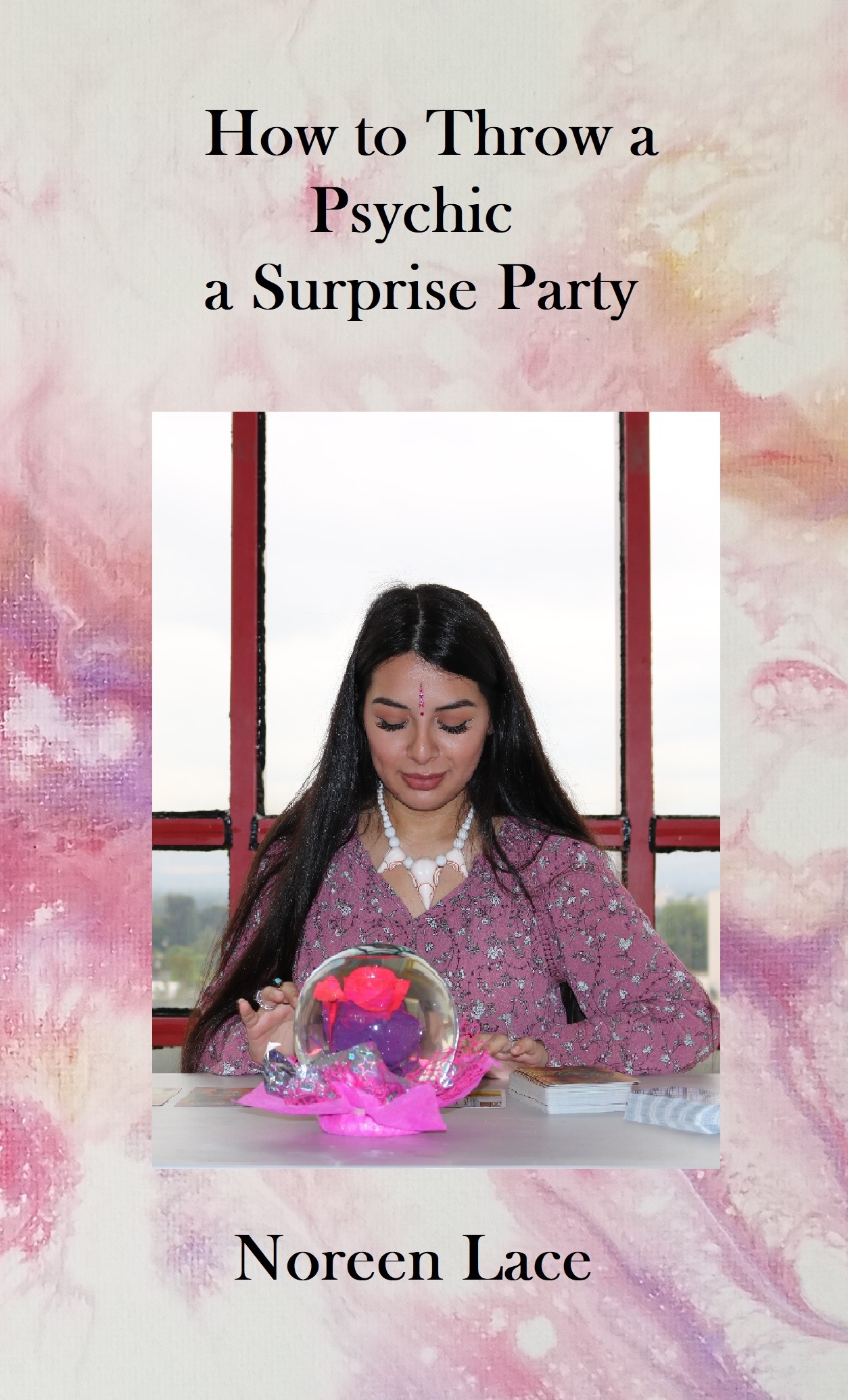
The Healer’s Daughter is the first story in How to Throw a Psychic a Surprise Party. It’s one of my favorites, and it’s been suggested it become a novel in itself.

Healing Through Writing

After hearing some of my story, a woman said to me, “Do you think writing saved you?”

I was looking out the window at the blue sky, avoiding her overstuffed office. Books, photos, and nic-nacs lined the dark wood shelves behind her and a lamp sat, too bright and hot, to one side. She was tall and thin, model like in her own way, and she looked at me earnestly, waiting for a response.

When I turned to her, she answered the question for me. “I think writing saved you.”

Ah, there it was.

Writing did help me toggle to the clearer side of sanity. Believing in something larger than my tiny distressed corner of the world helped me get through some very dark times. The ever present feeling that I had something to add to the world secured me from suicidal tendencies.

Some time ago, I thought to write an autobiography. My writing partner has lived a long life. Her stories rich in detail, tempered with the spiritual, and filled with agonies of another time and another kind. She said she’d write her own but for fear that’d she’d hurt people.

Hurting others is not my intention. Those who pinned my pain are are long gone in both their minds and mine. They don’t read me and they exist only as fodder for stories. Writing is how I survived my world. Now, the others are just players in my story, antagonist, foil, etc.

Bits and pieces of my memoir have been published here and there. Some as fiction. Some not. Sometimes, it’s all shaken up to create something new and wonderful – like how ashes are used in bricks to build a city.

Writing it all out – getting it all out – says it’s real – this happened. It doesn’t have to be perfect. It doesn’t have to be published. It has to be outside of our bodies, not locked into our psyches.

Too many pains in our bodies, tangles in our thinking, are caused from the unspoken past.

Closure comes in many forms. Sometimes just getting it out from inside of us is enough to begin the healing.

*

*

One of my favorite stories – an early piece that I was thinking about as I walked my dogs in the chilled morning air.

It begins:

BEFORE MY MOTHER drank herself to death, I knew her as a gentle creature who fed wild squirrels from her hand.  On the back patio at mid-day, she’d stand very still, calm, peanuts laced in the fingertips of her outstretched hand. The squirrel, a female, her babies came later, approached with caution, across the railing, onto the windowsill, grab the nut, run to the other side of the patio where the squirrel peeled back the shell, ate the meat, then returned for another and another. For a while, the squirrels became my mother’s greatest pleasure.
Backlash

If you’ve read my posts, Success Stories and Heat, among others, you’ll know I didn’t grow up on the same street with the Hiltons or Rockafellers. I scraped by, grappling my way from pauperism.

One might think that would be celebrated. The truth is those who know where you came from aren’t that joyous that you abandoned them. While some of them will smile, rarely will you hear “good job.”

Many of my childhood friends have remained in childhood, a distant memory of what was. Sometimes, when visiting, I’ve run into them in a shop or store. They say, “Oh my goodness, we have to get together!” but then don’t answer my call. One of my running buddies (and I don’t mean exercise) pretended not to recognize me, couldn’t remember the years we held on to one another for safety and sanity.

One of my mother’s friends sat in our yard and said, upon hearing my college plans, “sounds like someone thinks she’s better than us.”

And so I’ve heard it all really – “you brag too much,” “no one really cares,” and the silence. The silence that states they have nothing more to say to you because you are not one of them. You’re a traitor to the cause, in some strange way, as if you abandoned your friends in the war.

There’s a backlash for getting out, staying away, becoming your own version of yourself.

Change is all kinds of hard. Changing the way they see you, makes them have to gaze at themselves. It’s really not me or you that’s the problem. It’s the mirror they have to face when they can no longer see themselves in us.

________________________________________________

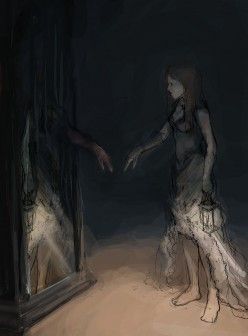
I explore this concept of reflections, families, and mirrors in the story “Mirror People” in my book of short fiction, How to Throw a Psychic a Surprise Party.

Stay Strong. Stay Well

Success Stories

I didn’t grow up with a lot of positive role models. There were not many (if any) people in our neighborhood who were looked up to as success stories.

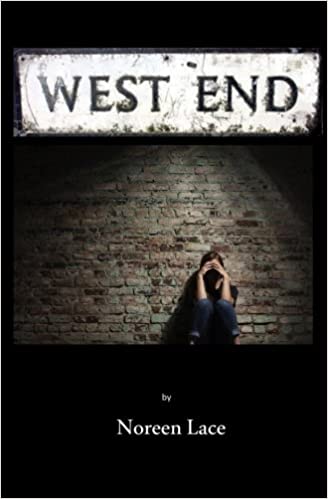
I can see my neighbors, even now, from the concrete steps of our four unit blond brick building on S*** Avenue in Collinwood. Across the street, Francis. She had Lucille Ball red hair and sat on her porch from 9am to 9pm, beer in hand. Next door, a single mother who worked at a bar and brought work home with her – in all sorts of ways. Next to her, a retired old man who sat across from Francis with his own beer in hand. His wife, Goldie, was a sweet woman whose toes twisted around one another, feet mangled, she said from twenty years of high heeled waitressing. On the other side, a retired railroad worker, no patio, so he sat in his kitchen hand wrapped around a cold beer.

There were bars on every corner. T & M’s could be seen from the porch. Strangers and neighbors stumbling out with the music pouring onto the street.

The teenagers went to high school, married the boyfriends who beat them, and set up house on the next block. A few got away, I’m sure. But I can list many more who died young or ended up in prison. My teenage crushes are dead now. One was shot in the head, the other crushed under the wheels of a truck. I never got into drugs, thought those who smoked and drank acted silly, stupidly, dangerously. Girlfriends recall tales of waking up half naked, uncertain if anything happened. That wasn’t the memory – or lack of memory – I wanted.

Mostly, I felt limited. I felt outcast. I didn’t seem to belong with any particular crowd or group or gang. I wanted something more, something different, and I didn’t know where to turn. Getting out and getting away seemed the only answer for me. I didn’t know what might meet me beyond the borders of the familiar, but there was no safety and no options in the familiar.

Someone once said – it was very brave of you to travel across country on your own and start over alone. I hadn’t considered it was “brave.” I’d believed it was my only choice, my only chance. She offered, the world is a dangerous place for a young woman to do such a thing. Sometimes home is a dangerous place. Limiting yourself is dangerous. Not fulfilling your potential is dangerous. Living a life in which you’re completely unhappy is dangerous. Sometimes, saving yourself, however scary the unknown is, is your only choice.


Superman

FB_IMG_1591759669613

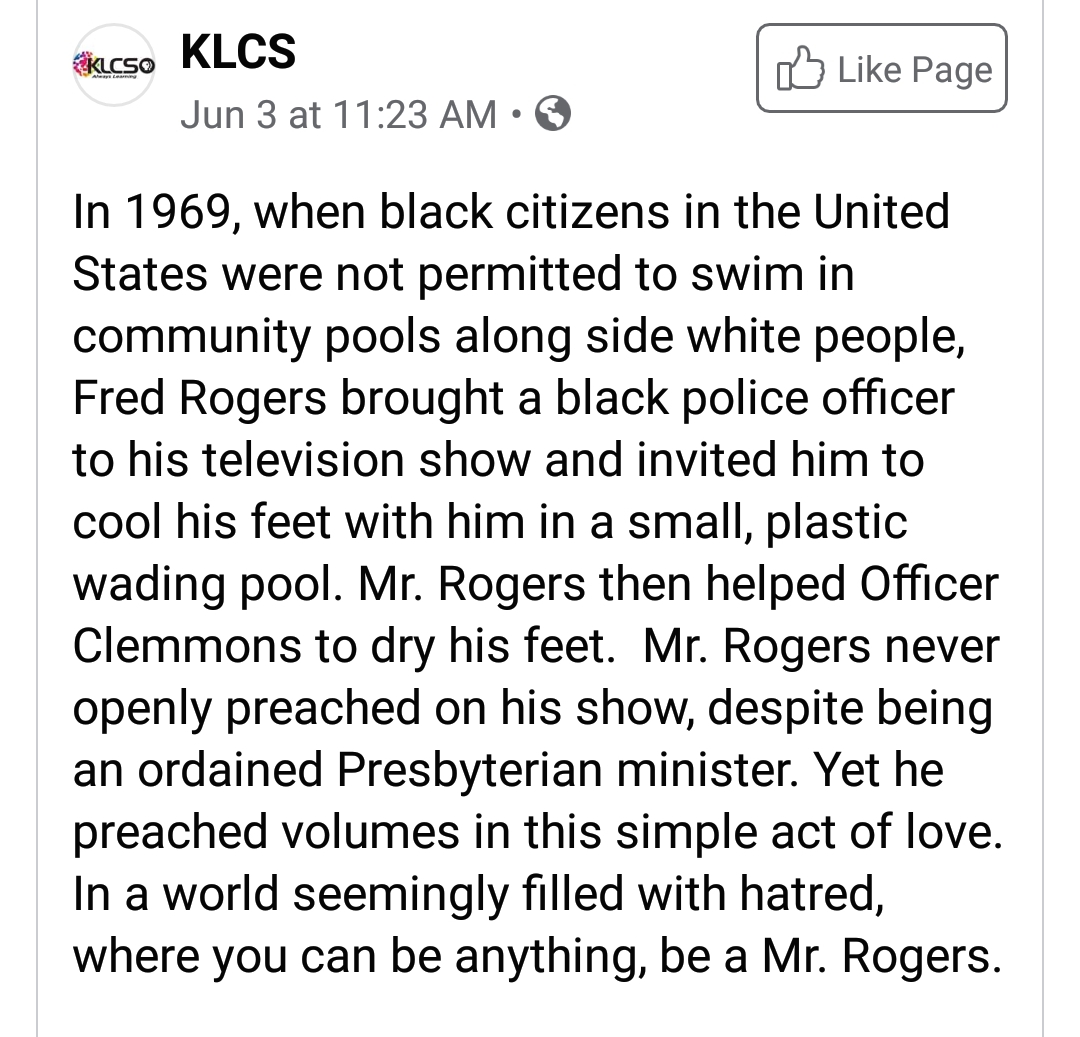
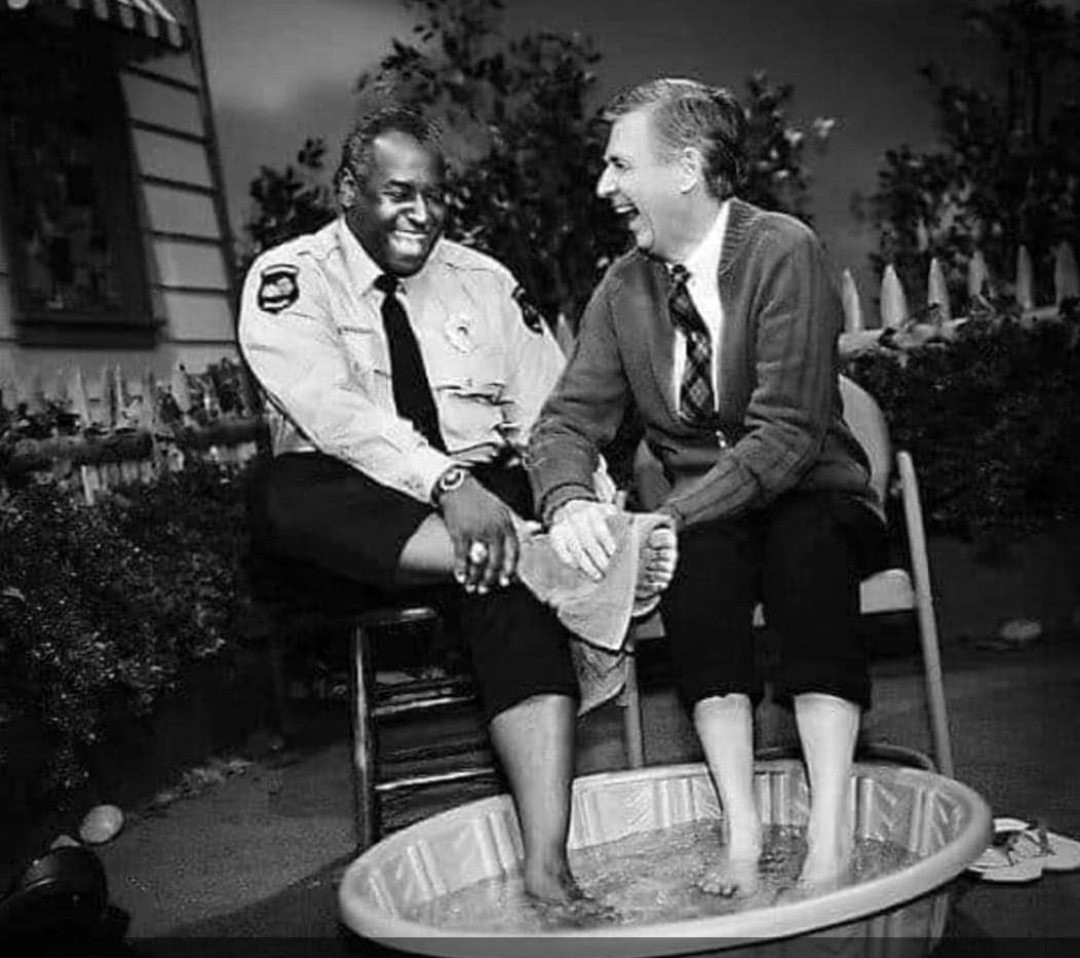
Mr. Rogers didn’t say anything, he acted.

20200606_14294620200606_143002

Just because someone isn’t doing what you think they should be doing, doesn’t mean they’re not doing anything.

Love.