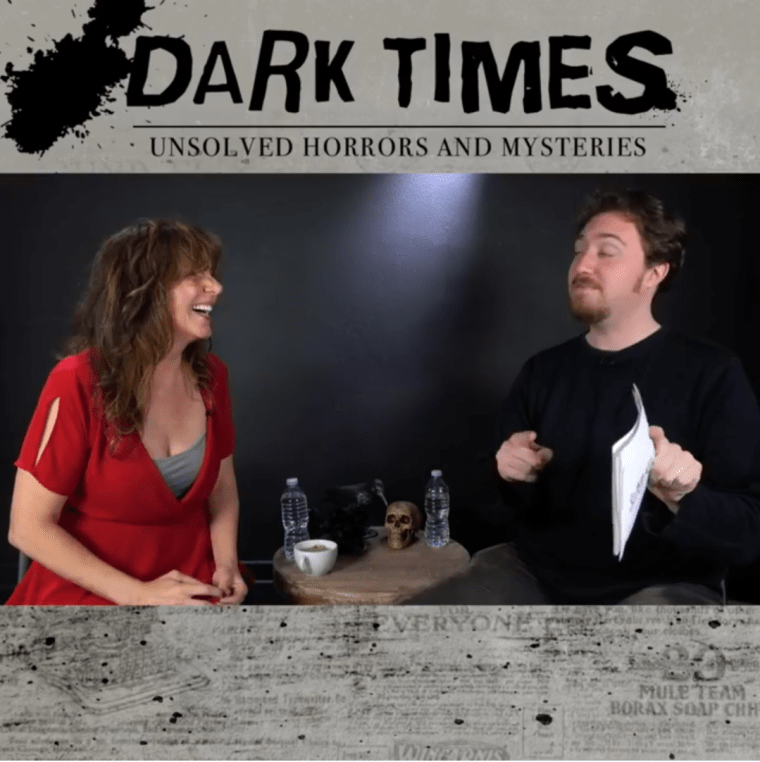
Was asked by the lovely crew from SuperNews Live to come down and have a chat about Edgar Allan Poe on their show Dark Times!
You can see the whole interview here.
Enjoy!
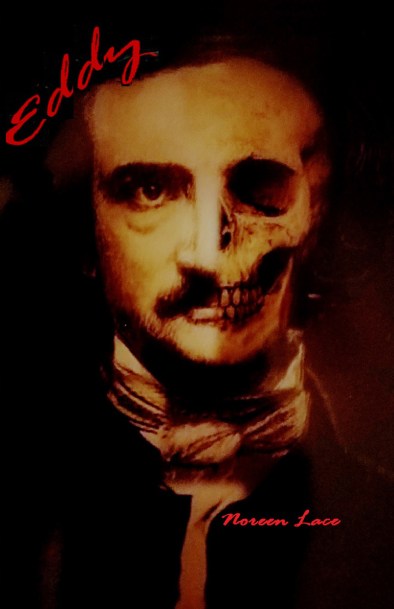
My book Eddy is available here:
Was asked by the lovely crew from SuperNews Live to come down and have a chat about Edgar Allan Poe on their show Dark Times!
You can see the whole interview here.
Enjoy!
My book Eddy is available here:
A nerdcation, if not obvious, is a trip that some people might consider pedestrian, strange, boring. I took such a trip this winter, and I found the trip quite the opposite. Perhaps, it’s because the recipe that is me includes one-part nerd.
Anyone who knows me, understands I’m a Poe – addict. January 19th 1809 is Poe’s date of birth, making this past Monday the 206th anniversary of his birth; hence, his birthday. The Poe Museum in Richmond, Virgina, planned a celebration. I decided, almost last minute, to fly cross country to the chilled Eastern U.S. to do my very own Poe Tour.
His mothers are buried there (there were two), his first true love’s house (he was 14, she was his friend’s mother) is a landmark, his first and last fiance (Elmira), the places he grew up, schooled, played, worked, proposed. I marked all of the locations and addresses, a walk in a dead writer’s footsteps that would culminate with the day long event at the Edgar Allan Poe Museum, which promised to include readings, discussions, and cake.
If some of you find this boring, you’ll find what follows probably even more banal. Unless, you’re a visual person and browse the photos
.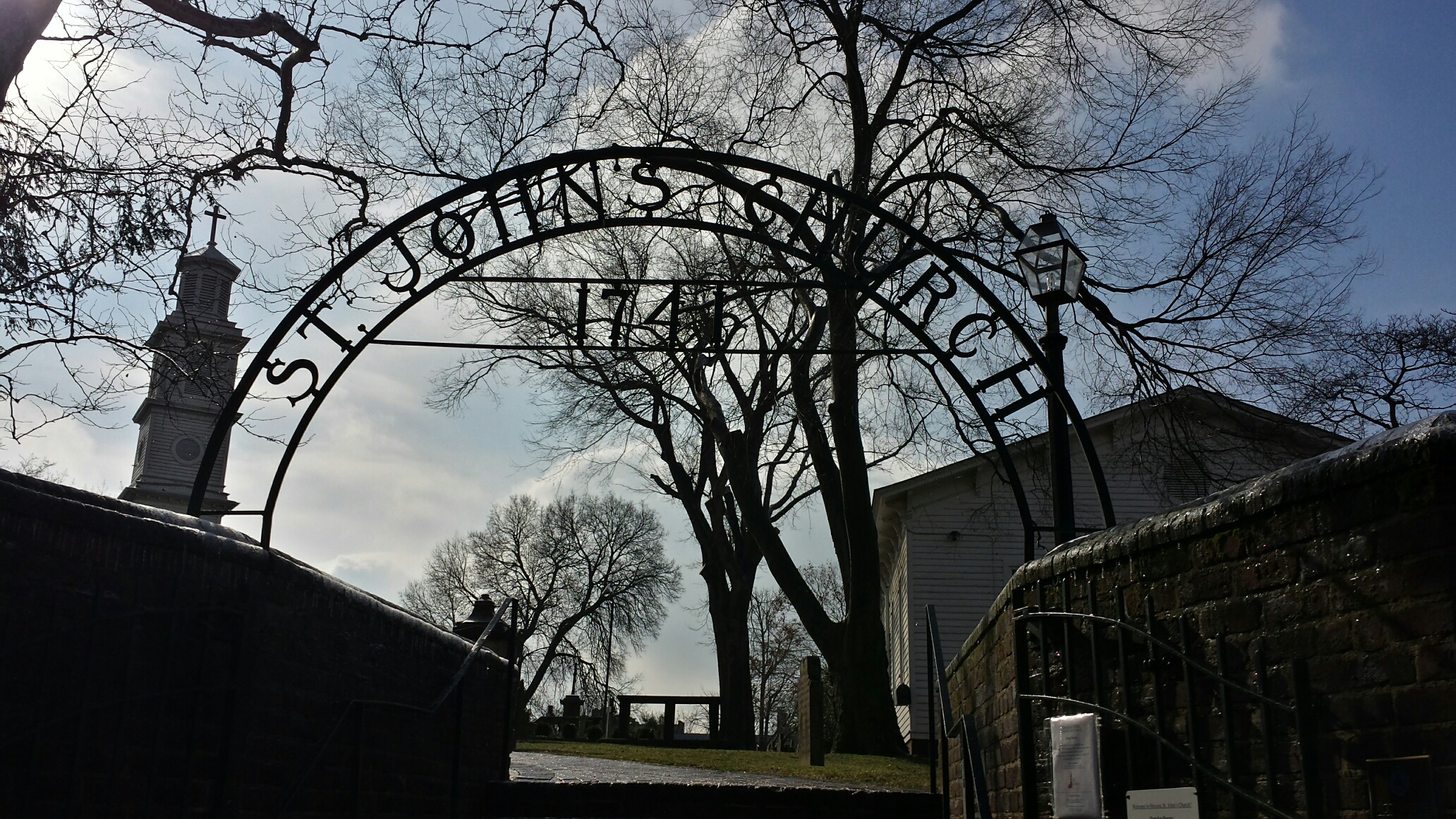
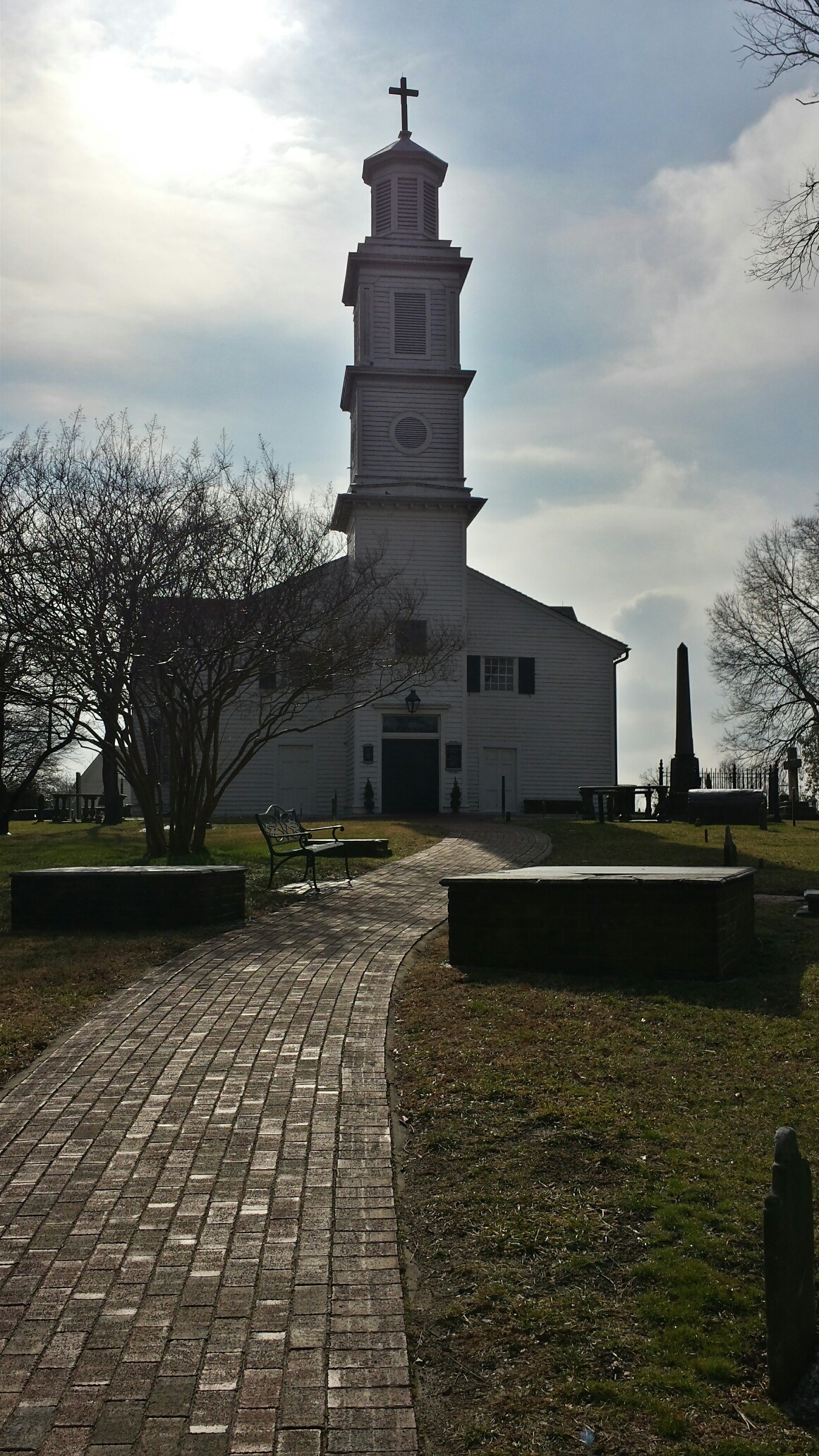
My first stop was E.A. Poe’s birth mother. Her body lies somewhere on the grounds of St. John’s Church. St. John’s is famous for Patrick Henry’s “Give me Liberty, or Give me Death!” speech. I’m told Henry is buried there, as well as numerous other revolutionaries.
Poe’s Father, David Jr, purportedly said, the day that ruined my life was the day my son was born. He never wanted to be a father. After Edgar’s sister, Rosalie, was born, David Poe disappeared. His parents, Elizabeth Arnold and David, were actors. By the time Edgar was two, his mother perished.
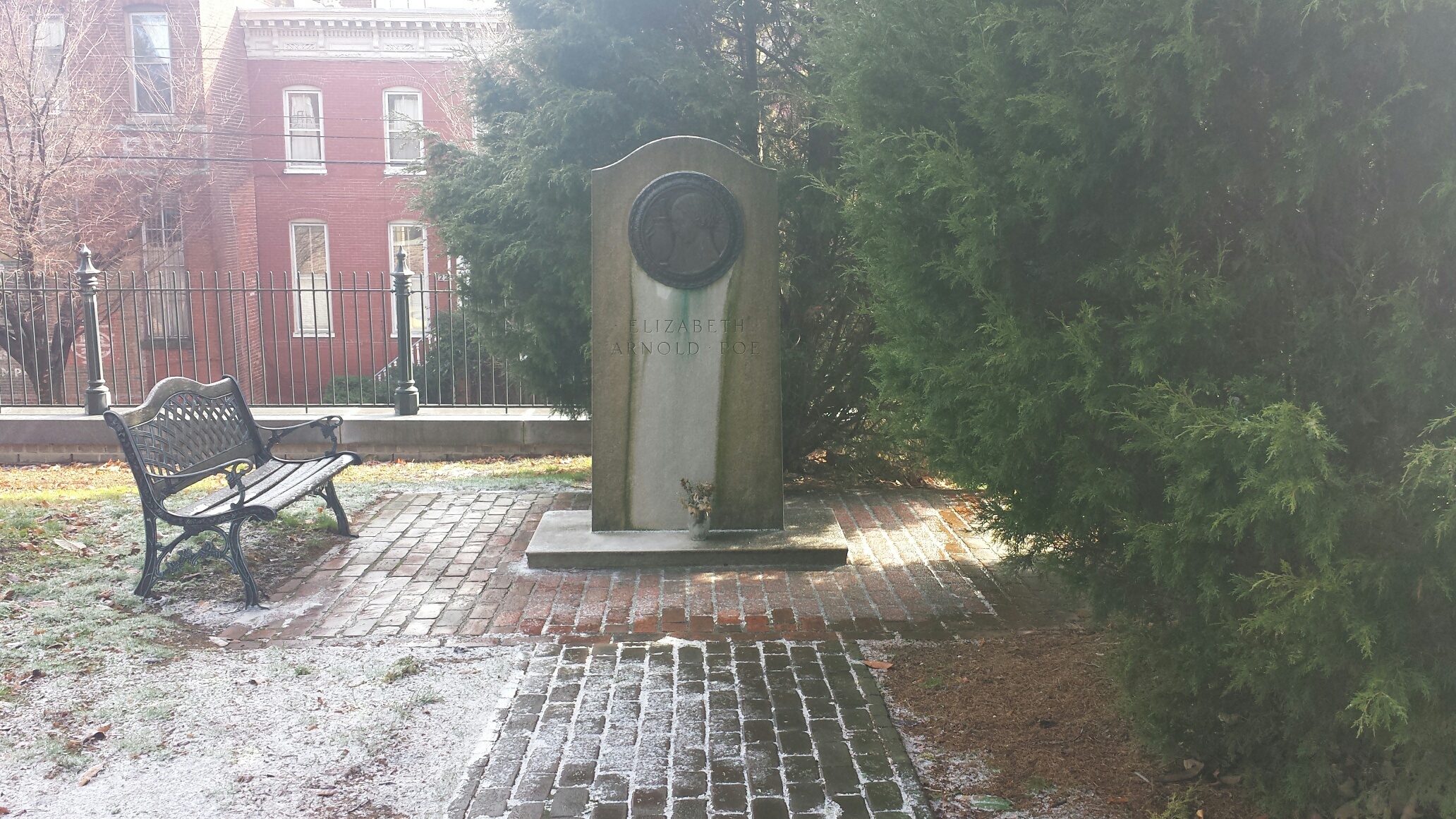
Because her profession was considered a mere step above prostitution and no respectable person would agree to be buried near an actress, she was laid in the ground without a headstone or location notation. It seems three different organizations pulled together, built and placed a marker to honor Poe’s mother.
The day I arrived, the sun shined, melting the ice from the streets. The lovely magnolia tree nearby the grave dropped melting ice, giving me my own personal rainstorm.
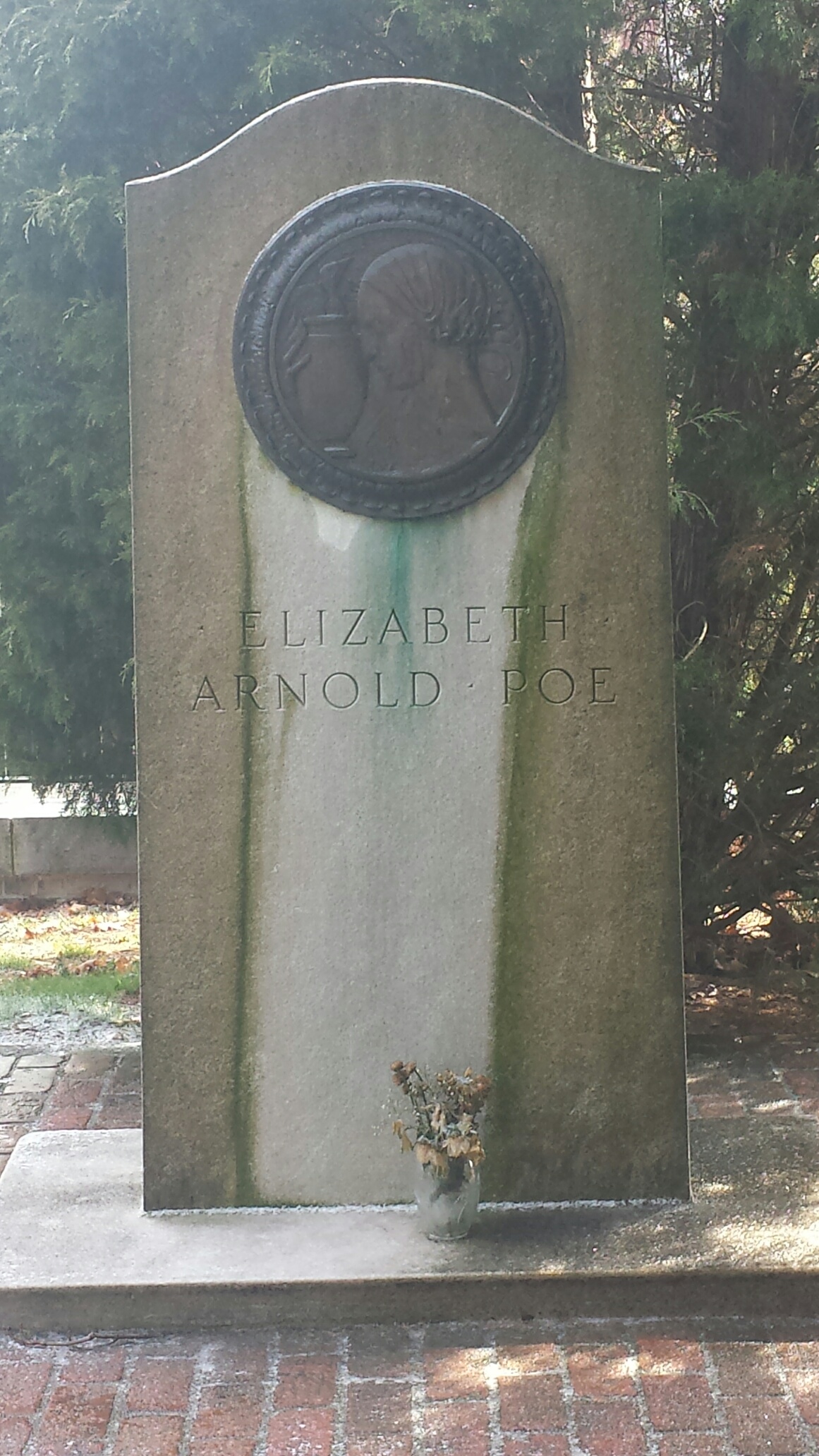
I meandered around the cemetery. Remembering, honoring the dead.
Across the street from the Church is Elmira Royster’s home – or what was once her home.
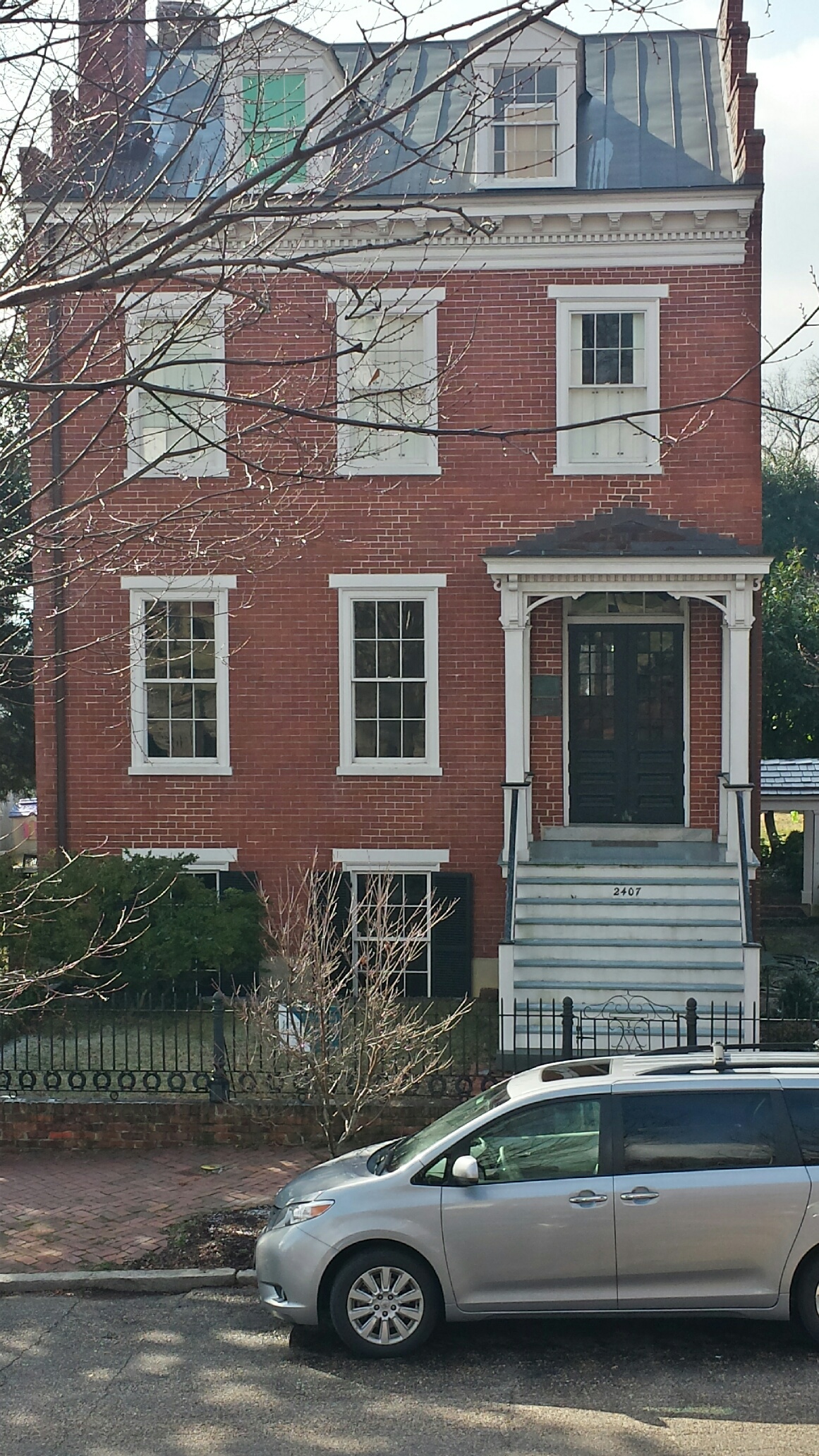
She was Poe’s first fiance, her father disapproved of Poe, so they met secretly at the gardens (which is now the Lindon Row Inn – where I fortuitously reserved a room. My room overlooked the back garden patio where Poe is supposed to have taken Elmira’s hand and asked her to marry him, to wait for him until he returned from college).
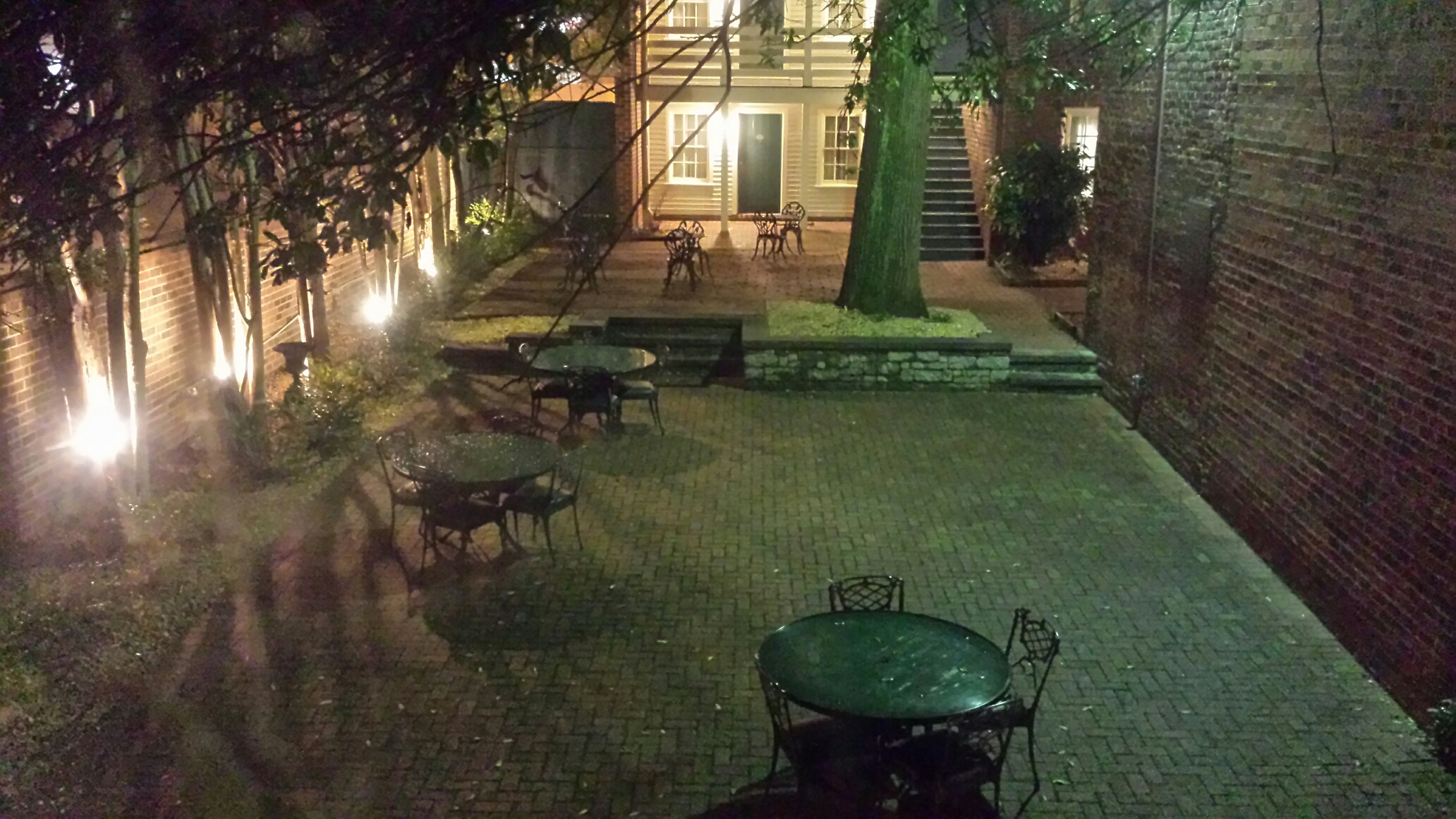
Poe’s letters never reached Elmira (thanks to her father); she thought she’d been abandoned and entered the marriage arranged/approved by her father.
Many years later, after she’d been widowed, her maid involved herself in an argument at the front door, refusing entry to the tall, dark, caped stranger at the front door who insisted he be allowed to see Ms. Elmira on this Sunday morning. The lady of the house admitted him, listened to his argument. Anyone who’s seen someone they once loved knows what she was feeling, understands those “no, I shouldn’t, yes, I want to,” back and forth feelings she may have been experiencing as she told him, “I have church this morning, you may return another time.” No doubt she watched him go through the window slats and hoped he’d return. His cape blew back in the wind as he walked determinedly away, formulating a plan, even then, to win back his first love.
Poe did reappear, and too soon asked for her hand in marriage. She was one of the last people to see him before he left Richmond…. She was, officially, Poe’s first and last fiance.
Poe’s first true soul love (his words) was his friend’s mother; she supported his writing whereas his adoptive father did not. Mrs. Jane Stith Craig Stanard’s house is not far from either the church or Elmira’s house.
 Coming home with his friend on an average school day, he met the lovely Mrs. Stanard. Maybe they said just a few words, but Poe was smitten and returned again and again. They talked of poetry. It was a gentile relationship, an appropriate one, even if possibly it made his friend uncomfortable. (She died when Poe was 15).
It’s known as the Craig House, is privately owned and boasts the original structure, although it has been restored. The house stands as the second oldest structure in Virginia.
Poe was never officially adopted, but the Allan’s are referred to as his adoptive parents. Edgar’s middle name Allan comes from their family. His adoptive mother, Francis Allen was a great love of Poe’s. She passed in 1929. His adoptive father doesn’t come across as a nice man. He didn’t appreciate Poe’s writings, his mannerisms, reminded him often that Edgar lived off his charity. There’s some evidence that Allan cheated on his wife, he had illegitimate children with another woman (even left them $ in his will). Poe didn’t seem to respect the man, and I believe that is part of the reason why. There are some allegations that Poe involved himself with married women and single women as well; however, when he married Virginia, and loved a woman, he seemed to be wholly involved and didn’t consider turning to another.
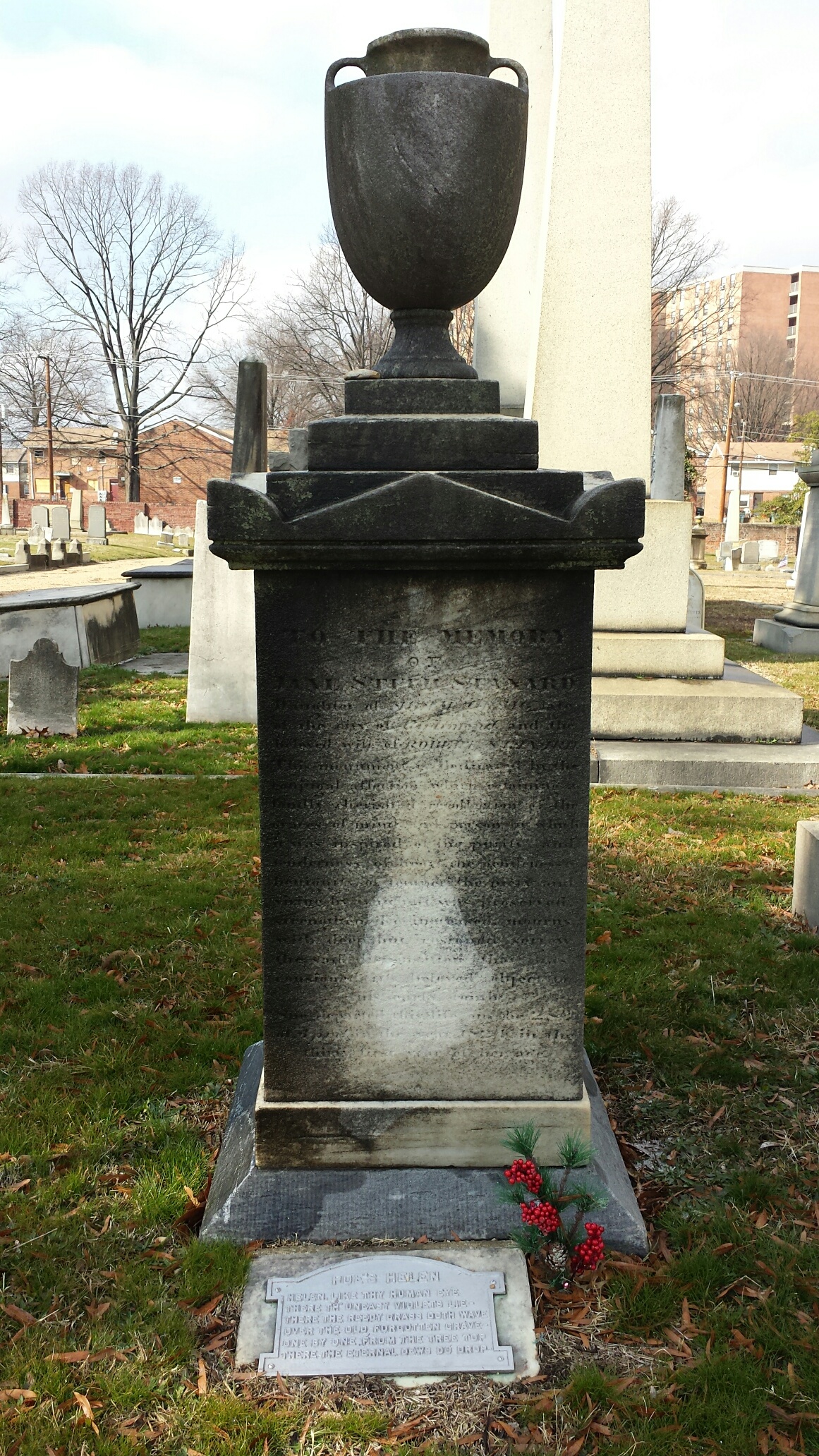
Mrs. Stanard’s headstone is closer to downtown. The cemetery is larger with long, winding, dirt roads, which supposedly are labeled A, B, C. Navigating it curiously, I found, by luck the intersection.
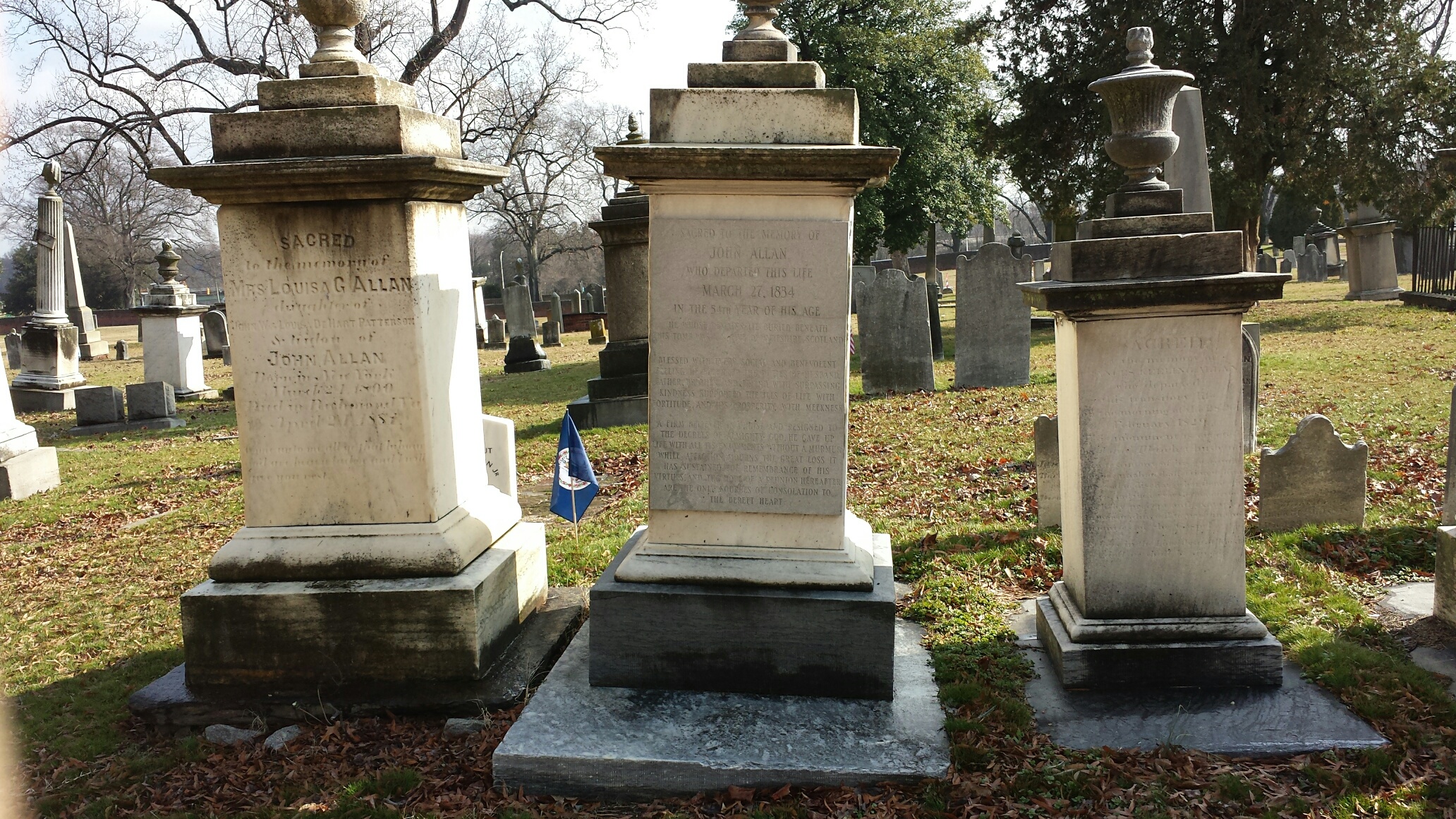
I must admit that in some strange way, I didn’t care to see Mr. Allan’s grave; however, his family plots were close to his the Stanards. I walked the ten feet from Mrs. Jane Stith Craig Stanard grave to the Allan’s. It further made me dislike this ghost of a man whom I could never know. Crazy, I know.
Allan married and had more children after Francis’ death. His marker is large, looming over Francis’ marker, his second wife’s marker is larger than his first wife’s. I’m not certain why that annoyed me so much, but it did. How could his first wife merit a headstone half the size of his second wife’s? Seems somehow – assholish.
 Sadly, I couldn’t find Elmira’s plot.
The weather was getting the best of me. I’m a thin blooded creature, the eastern sun moved fast toward the west, the sky grew gray, and the sketchy neighborhood where the cemetery lies isn’t a place a woman should challenge her fears.
I searched for at a more modern venue for refreshment. Not knowing the area, unable to locate a Starbucks via my gps, I parked in the city center and opted for a 7/11 coffee.
A block to the north, much to my surprise, laid Capital Park. With another hour on my city meter, I walked up, coffee in hand, to see if I could locate the Edgar Allan Poe Statue. Although I was lead to believe the statue was difficult to find, hidden in some far off corner, I found it quite easily.
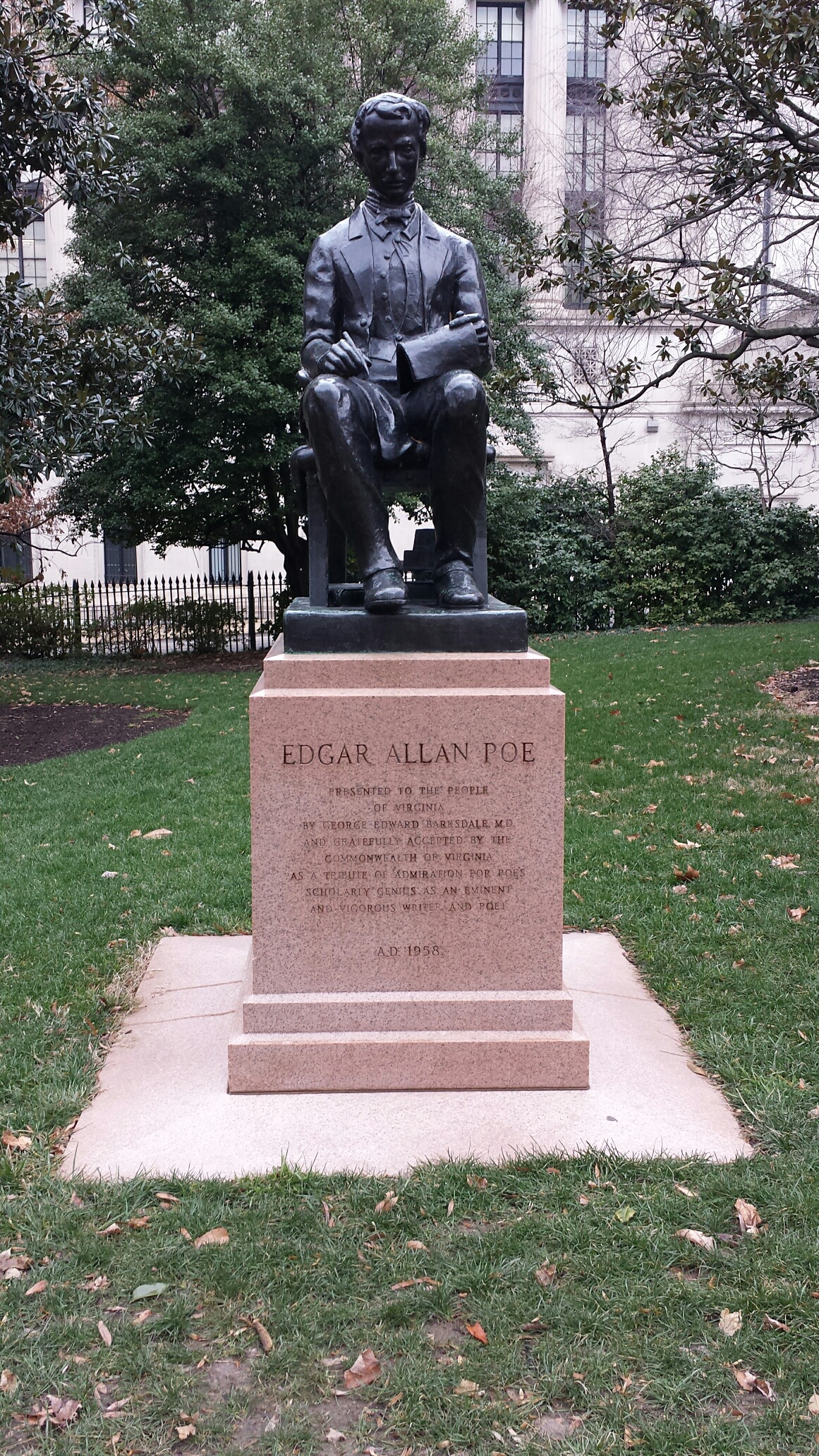 It’s small, not indicative of his metaphorical presence in the city or in literature. However, designed in the 50’s, perhaps it’s the best that there was at the time.
I’m searching for Poe. I’m searching for connection. To pick up the remains of the past, make certain it’s real. Fortunately, the Edgar Allen Poe Society has done much more than I.
The house Poe grew up in is long gone to a history we can only read about: wars, fire, reconstruction. The Poe Society has marked the building. The building is currently condemned.
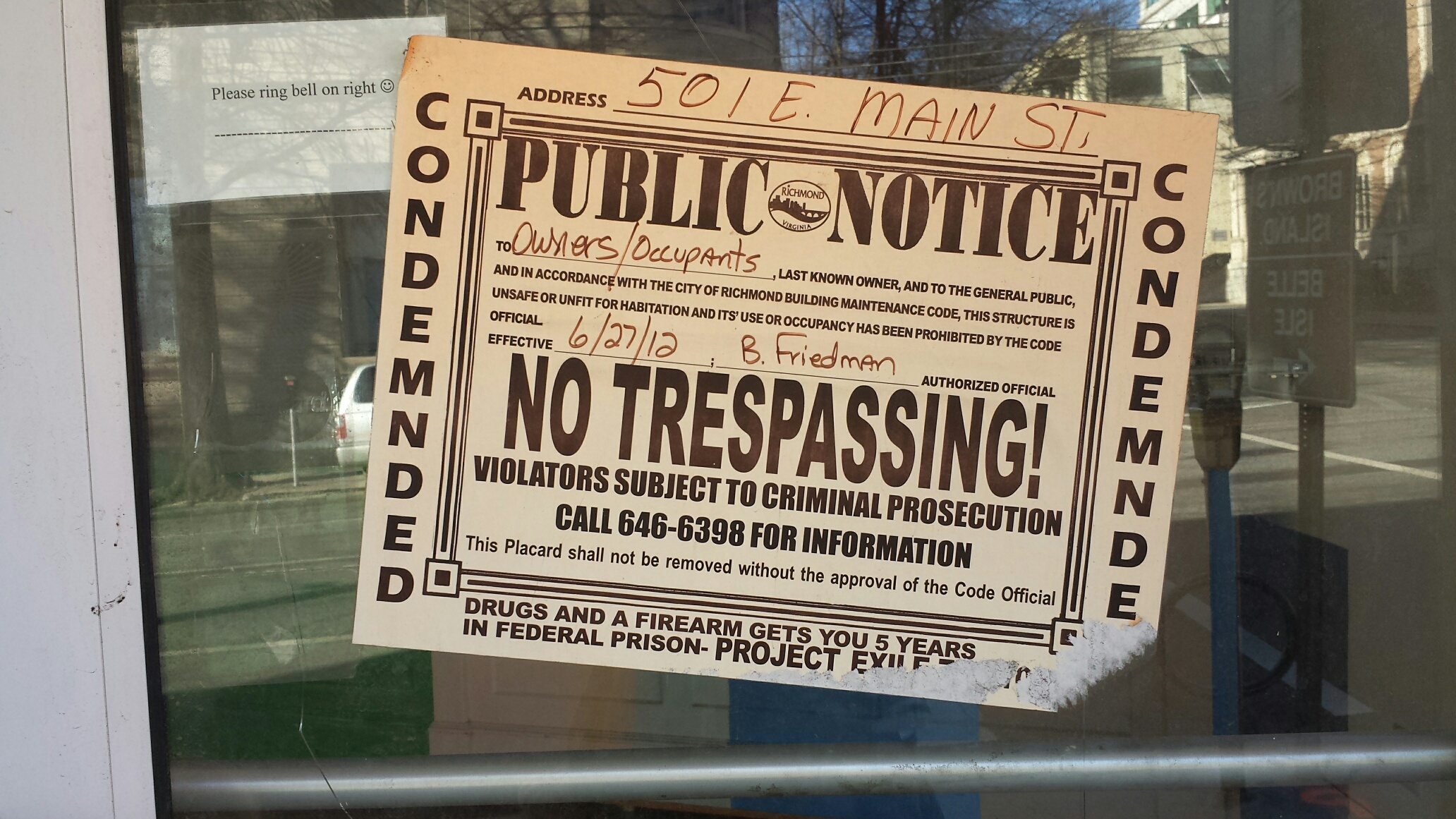 With that color blue, I can see why 😉
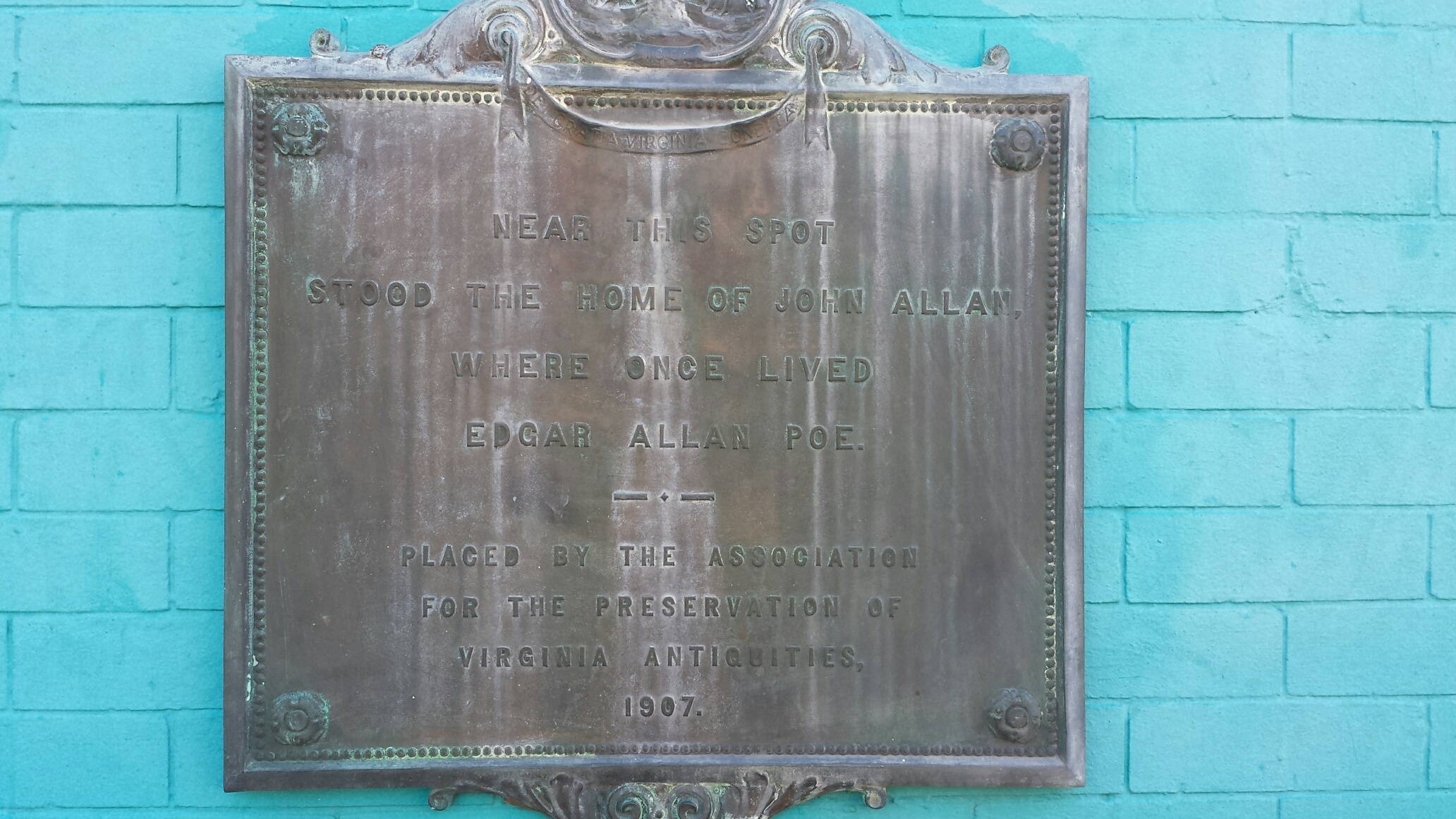
A few weeks after Poe’s mother passed, the show went on without her. A new stage play drew in the city’s patrons which filled the seats. It grew quite warm inside. The actors took note, the patrons noticed. They turned to one another, “it’s quite warm in here tonight.” The play was exquisite. The lighting extreme, as if a real fire burned in the background. When a single actor yelled “Fire!” The audience laughed, applauded. When more actors screamed, “Fire!” The theater goers turned to one another, nodded, “quite realistic.”
Until some astute actors and patrons made for the door, then others realized that, indeed, this was not part of the play. By then, the theater was already engulfed. Both, actors and wealthy patrons, died together. They are sealed in the same crypt under the new church built over them. Monument Churchl. Poe’s adoptive family, the Allans, worshiped there.
How might it have been for the young Poe to have his mother’s friends, his adoptive parents’ friends under his feet as he sang hymns?

Next Stop – Poe Museum. They programmed a 206th Birthday Celebratioon – a day long event of readings, museum tours, music, walking tours (Poe – related spots), CAKE! and a champagne toast at midnight.

The small building on main street is easy to pass without notice, but it is the oldest residence in Virginia, built in the 1700’s. The residence became the Poe Museum in 1922 (I believe).
The museum is made up of four small buildings and an enchanted garden. The pergola in the back of the garden which houses Poe’s bust was built from the bricks from the Southern Literary Messenger where Poe once worked.
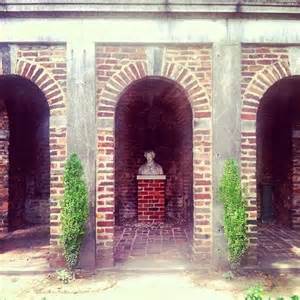
Friday, the museum was completely empty except for the curator, the director, and those who were setting up for the celebration. I had the museum to myself, completely alone with Poe.
It featured many of his personal items, a bed, vest, cane, etc, among other artifacts. It boasted portraits of the period as well as modern work. I’ll let you check out this pics on the museum website (although their pictures are not current) as I don’t think I was supposed to take pictures. 😉
Music. Tours. Art. Poe Lovers. It was a lovely day, a soul enriching day, (even if it was too chilly for my California tolerance).
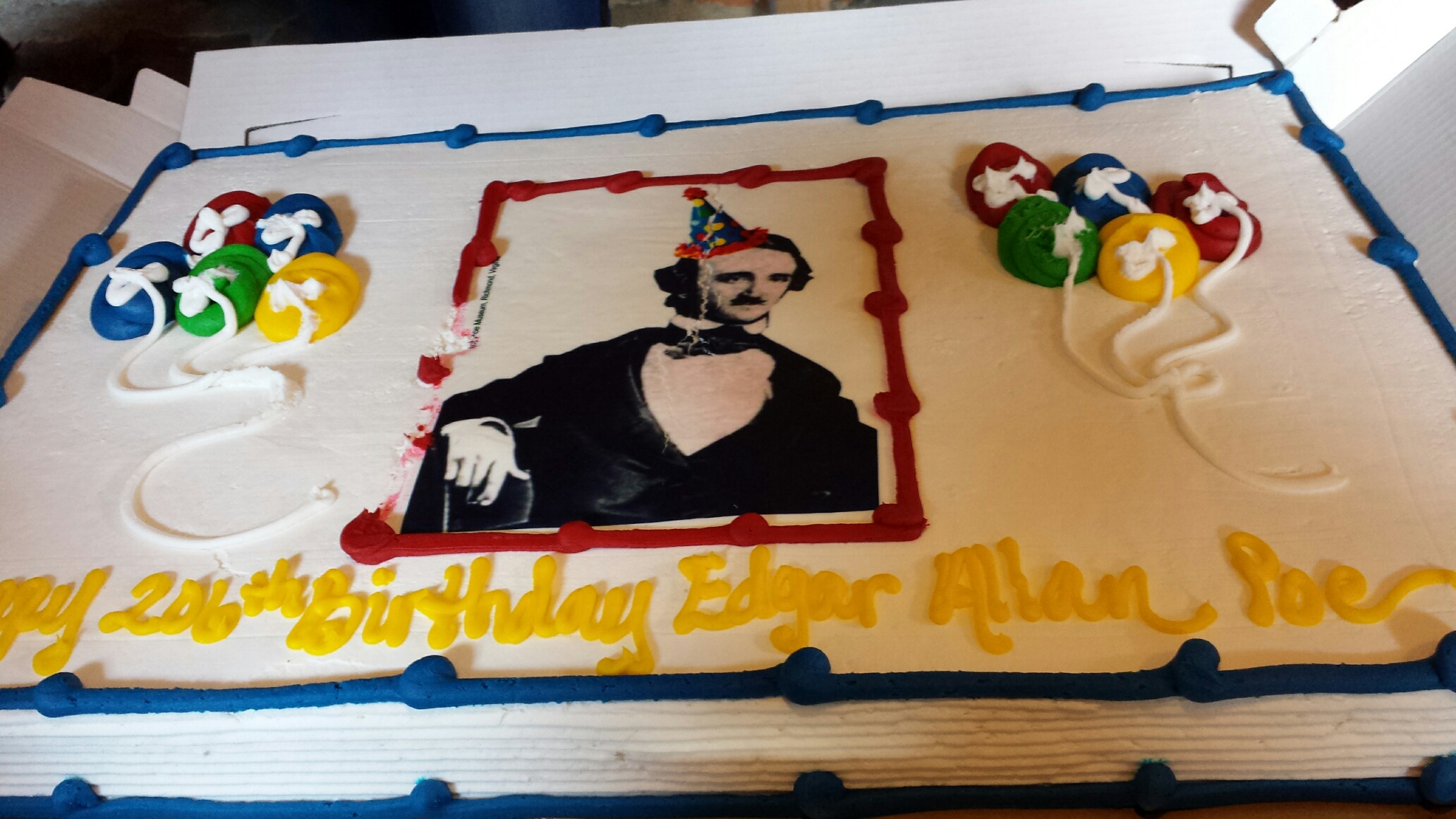
There’s little in this post that you won’t find elsewhere – as far as information about Poe and his family. The pictures are mine. (please give credit if you copy them).
Why does someone leave the warm sunshine of a winter in southern California to go to the too cold city of Richmond, Virginia in January? And why?
It’s history. It’s literature. It’s a passion of mine to know more, see, touch, be in the presence of. I am filled up, revitalized. I learned more, enjoyed discovering my penchant for boutique hotels led me to the grounds of the garden where Poe once stood declaring his love for his first sweet heart. I stood where he once stood, walked a path he may have walked (yes, with thousands, possibly millions of others. but that’s okay with me).
Sometimes, one must get out of their own head, get out of their comfort zone, do something new, something questionable, something that will add to their life experience.
I’ve swam with sharks, now I’ve walked with the dead in a city rich with literary history, with American history.

If you’ve read this far – THANKS!
This is a reblog from January 2015

Some years ago, Edgar Allan Poe’s hair was tested to determine the cause of his death. The results of all tests, including the ever popular theory of drugs and alcohol, were inconclusive.
They have a collected list of theories that have been maintained since his death, 169 years ago on this date.
I’m not sure I believe it was the flu. The doctor’s would have known the symptoms of the flu, wouldn’t they?
Cooping’s a possibility; however, that negates the fact that he was sick before he left Richmond.
Rabies is a possibility; however, again, I feel the doctor may have recognized the symptoms.
I haven’t heard the tumor theory before; anything’s possible given the state of medical care in the 1840’s compared to today.
I don’t mean to be a damper on the mystery, but the average life expectancy at that time was 40 years. He lived a long and full life, according to the people of his time.
Of course, it is a shame and a loss. He was a credit to American Literature. His writing was original, authentic, intelligent and captured the attention of audiences then and now.
I had my own theory of Poe’s Death when interviewed by Dark Times – watch the full video here
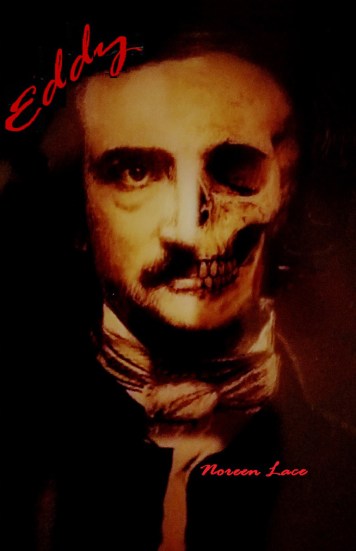
Poe has affected our literature, popular culture, music, artists etc since his death. Eddy is my tribute to the inspiration I get from his work. The story is based on Edgar Allan Poe’s suicide attempt in November of 1848.
I was invited to read at the birthday celebration in January at the Poe Museum in Richmond, Virginia. An honor and a pleasure!
Read More of My Poe Posts Here
(This is a repost from Oct 2018)

Four a.m. is my haunted time. The first rays of light creeping through the window, the cat sitting next to the bed, details of the next story weigh on my mind. And I wonder – do I get up and write?

No doubt, we’re fresher when we sleep. But, writers seem to sleep better when we write. Has anyone else noticed this?
If I haven’t written in a few days, I have trouble falling sleep and I wake in the middle of the night. I feel like I have too many stories on my mind, too many details that I must put on paper.
Most experts agree journaling helps people sleep, but that’s to lift worries. I’m not worried about anything except that I haven’t written.
Write.
Then Sleep.
I had the unfortunate displeasure of spending time with people I’m not fond of. I am barely able to tolerate negative people. I can’t stand people who are so mired in their own sense of self importance or righteousness that they can’t see beyond their own bullshit.
I came away regretting my decision to go and feeling very nasty inside, as if a piece of my soul had been burned away. I sat with it all night, no television, no radio, nothing to drown out or distract myself from the boiling nastiness of an impression they left on me.
 Then I thought – I’ve never written anything about them. And I can see why. I never want to deal with them or be around them or even think about them ever, ever again.
But that inspired something. One woman has a big round face that appears to be growing from another face. Her husband stared at me as if he was planning the perfect recipe for my kidneys, liver, heart. “A slaw, soaked in buttermilk and vinegar.” I’m pretty sure I heard him say as he passed by.
And then the keepers of the whole chud-like crew.
I’ve been known to write some pretty dark things. People like this are the reason why.
Untitled, but begun.
I will give these soul sucking people a different life. I’m sure they won’t like – if they bother to recognize – themselves.
This will give that scent of madness, the sickly feeling of food poisoning filling my bodily cavities, some place to go and rest.
Use it, ladies and gentlemen, use all the things and people and places you don’t like to fuel your writing.
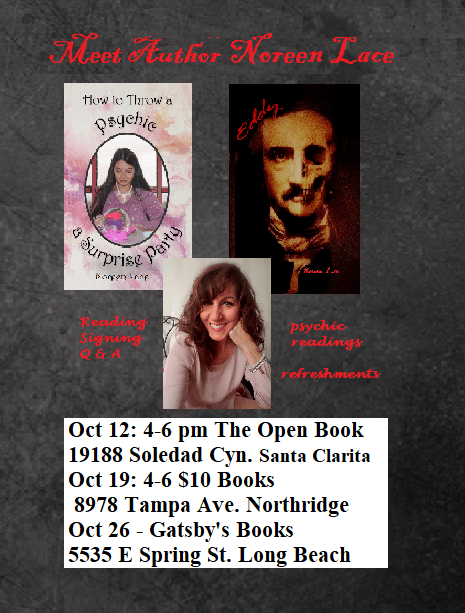
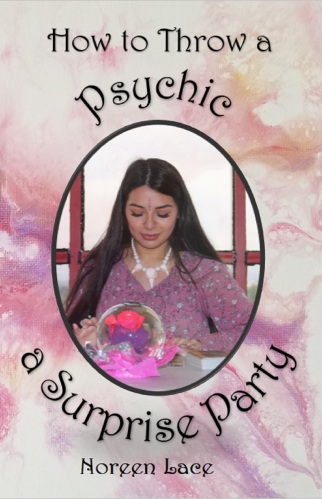
I love autumn. I love October. I love Halloween. And this October 19th at 4pm, I’ll be signing How to Throw a Psychic a Surprise Party and Eddy at the $10.00 Books in Northridge, California.
This bookstore is one of my favorites. They mix classics, used, and publisher buyouts for a unique collection of books. AND they happen to be between TWO COFFEE SHOPS! Both of which serve bomb pastries.
This book signing will feature our own psychic! She’ll be reading your fortune using the Tarot.
Plus other surprises!


More Info to follow!
I’m ashamed, truly. I don’t usually brag, but someone asked… they asked!
I once woke up with a line to a story. It was four in the a.m. and I woke up with “the day she ran over her neighbor’s dog…”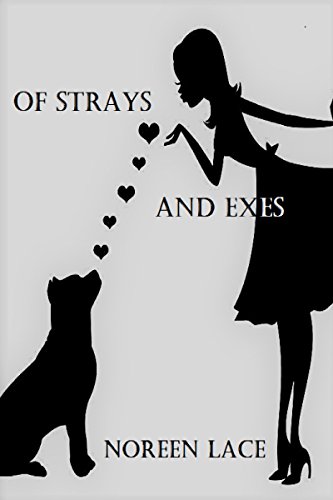
(Pet lovers – no dogs were injured in the writing of this story.)
I wrote it down, but then the story started pouring out, so I got out of bed and wrote for three hours until I had to go to work, then finished it when I returned home. Of course, that was the first draft of “Of Strays and Exes.”
A few more drafts and it was published just a few months later. Sometimes that happens.
They wowed – so I wanted to share that not all stories go that way. Another story, took YEARS. I want to say maybe six or even eight years to get right. It went through many drafts and grew.
I’m pretty damn proud of that story. Yeah, I said, it was pretty damn good.
Maybe I lost them, I don’t know. I laughed, they laughed.
See – sometimes things spill out and they are a gift from the muses; other times, things are hard and you have to work and work to get them right, and when you’re finished and it’s accepted and loved, you feel your hard work has paid off, it’s successful.
I return to my usual humble self.
How to avoid some typical mistakes when packaging your novel.
Guest Blog by John Grabowski
So many good novels are hindered by bad covers.
You would think publishers would invest a lot of time and attention to covers, especially in this age on thumbnails and on-line shopping, but it seems many don’t. And that’s professional publishers. Self-published covers tends to be even more hideous; I can almost always spot a self-published novel just from looking at the thumbnail.
Take this one…
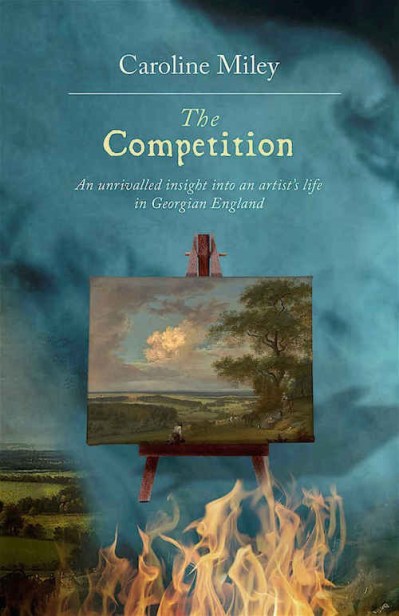
(Incidentally, I want to stress that I am in no way passing judgment on the literary merits of the books I cite as example, most of which I have not read. They may be the greatest novels in print right now, for all I know—all the more reason great covers are crucial.)
The Competition. Beautifully done, but what does the image say? What is this book about?
There are so many elements going on, yet they add up to…what? There’s the painting inside the image, which seems to be on fire (or is it?) and then there’s a field behind it, and the painting appears to be of that field, though there’s not enough field visible to tell, and the rather small title and author lettering…and what does a painting, a fire and Georgian England have to do with a competition? What kind of competition? And how does Georgian England play into any of it? It’s both complicated and yet unable to communicate anything.
Now here’s a stunningly done professional cover by contrast…
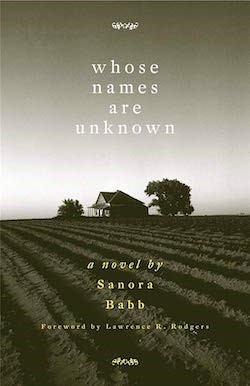
Beautifully focused and eye-catching. Much cleaner than The Competition, with only two elements (three if you count the little decorations at the top and bottom), a simple photo and centered, balanced text.
Yeah, but again, what’s it about. It shows a house—a shack, really—in the middle of nowhere. Kind of “blind,” right?
With a little looking, the answer is, no, it’s not. The image suggests anonymity, the unsung, the lonely, in perfect keeping with the title. It’s also a period piece, a work about forgotten people (from the “dustbowl” era of the 1930s) and the sepia tone photo of the shack and the parched land works for that. The fact that the title is in lowercase letters underscores the “underdog” quality of the work. We don’t know exactly what this story is about, but we know the tone, the era, and the type of people we are going to meet. It’s enticing without giving a lot away. I don’t know about you, but it pulls me in, makes me curious.
Covers don’t have to be that stark and austere, though. Obviously an approach like that would not work for a more contemporary, upbeat novel, but the same rules apply: one clear image, simple font, clean, balanced design. Not too many elements fighting each other. Ideally your eye pops from image to title to author. The best covers are often quite simple:


Steve Martin’s Shopgirl cover is especially telling. Not only is it ridiculously simple, it’s for a novella about an older, somewhat predator man who has eyes for a, well, shop girl. The image of the girl is not only showing us everything but her face, but it’s set small into the cover, inviting us to scrutinize it, much as the male character scrutinizes her. It reflects the book’s tone and psychology, in other words. And I love the brave choice for Tiffany D. Jackson’s Allegedly. Current wisdom mandates covers feature large fonts and images so that they pop when viewed online as thumbnails; this designer went small instead, and I think it pays off by piquing your curiosity.
Unlike Shopgirl and Allegedly, many book’s covers fail because they are too generic. I understand wanting to blend in to your niche, but…

…while technically well done, looks like a hundred other books of its type. Is there anything you’ll remember about this book 30 seconds later? (Some authors, such as Sue Grafton or Dan Brown, have covers that follow a genre or “house style.” But they’ve already built a following; readers are looking for their designs the same way fast food connoisseurs look for Golden Arches or Colonel Sanders.)
Many writers who make their own covers discover the huge toybox of effects available with modern design software. Consequently, they go crazy with offset type, strokes, bevels, bleeds, strokes, and all sorts of font distortions that may look cool the first time you see them but quickly get old. Here’s one terrific example:

Wow, where to begin? There’s the cheesy, Photoshop filtered images, tinted purple (and I had to look four times before I saw the teeny-tiny oil well), the offset “3-D” font, the subheading right on the cover (the same us true of the first novel, by the way, The Competition: Do not write a subheading that “explains” the book. That’s for the back jacket or inside flap), the “by Alon Shalev.” (Don’t say your novel is “by” you. What other name would be on the cover?) There are three distinct fonts here—I won’t go into elaborate design theory, but don’t use more than two—and one is ideal (see Whose Names Are Unknown, above). If you must use two, make sure, like Simon and Garfunkel, like Sacco and Vanzetti, like Penn and Teller, that they pair well. Look up “fonts that look good together” or something such—yes, designers have made lists. And go easy on drop shadows, inner and outer glows, and other special effects. Like tasteful makeup, these should only be used if needed to enhance the natural effect, not be slopped on so that your cover is the equivalent of Tammy Faye Bakker’s face. (Google her if you’re too young.)
Basically, just as you should have a direct, simple elevator pitch, you should have a memorable visual for your cover. Even a very complicated story can be boiled down to one idea, one thought. An opus as massive as the Bible could be summed up as The story of humanity’s fall, and the road back.
To sum up: Find an image (and make sure you have usage rights or you could get into hot water) that symbolizes the essence of your story. It needn’t be literal; metaphors work great. But do avoid stock photos of clichés, like winding roads or sunsets or blue skies. Choose an image that isn’t busy, so that the text doesn’t get lost inside it, unlike this one:
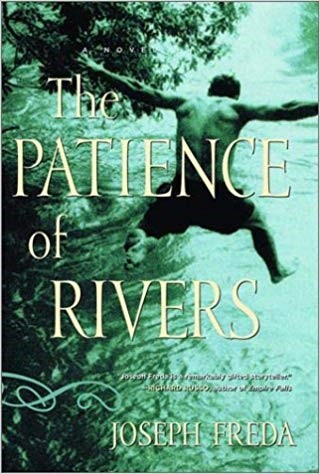
Use clean, easy fonts, no more than two and preferably one. There’s a lot you can do with one font, altering the weight (thickness), tracking (space between letters), case (upper and lower), color, and size for powerful effects. You don’t need unusual fonts to stand out either. Look at this gorgeous cover for Ann Patchett’s A State of Wonder. It looks elaborate, but it’s actually clean and controlled.
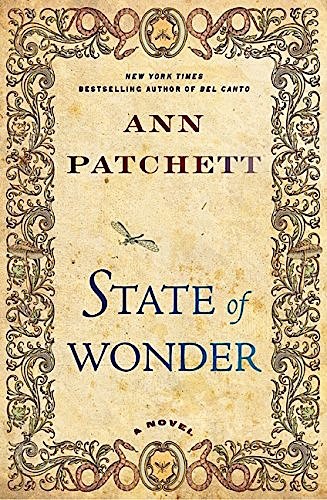
There are numerous websites that discuss these basic design principles. I’m not going to recommend links because they may change by the time you read this. Find a few, absorb their lessons, and go forth with you projects confident you will bring something bold and beautiful into the world.
_____________________________________________________________________________________________
John Grabowski is the author of Violet Rothko and Other Stories, a collection of short fiction coming in September from Millennium. His first novel, Entertaining Welsey Shaw, was praised by Kirkus Reviews for being witty, fast-paced and “filled with flirtatious banter.” AuthorJohnGrabowski.
I just finished an interview and thought I’d give you guys a little sneak peek.

auQ: When did you start to write fiction and poetry and how would you describe your works?
A: I started writing when I was very young, as soon as I could hold a pencil. I finished my first “novel” when I was eleven. I use the term novel loosely because it wasn’t long enough nor complex enough to be a novel, but it was quite lengthy and angst ridden for a such a young child. These days, I describe my work as literary. It is usually character driven and deals with the darker aspects of human nature and relationships.
Q: What would you say are the benefits of writing on a regular basis?
A: If you’re a writer, writing on a regular basis keeps you in the flow. Ideas flow. Writing comes easier. If you’re not a writer, it helps with articulating thoughts, considering feelings, problem solving, and improves your communication abilities, reading, and diction.



 Noreen Lace
You must be logged in to post a comment.