What will you say someday when asked why you didn’t finish that novel?

How do you keep track of your submissions?
I keep a log of when, where, and what I’ve submitted. I also updated it when my piece is rejected, accepted, or haven’t heard from the publisher.
There are a number of ways to keep logs, either by date, title, or other.
I keep mine by date of submission, but it’s easily searchable if I want to find out where and when I submitted anything specific.
I also keep a log of places not to submit again. It’s a very short list, but if you run across an editor who is unprofessional or a journal that operates with questionable practices, you should keep track.
Using submittable as your tracking system works if you don’t submit to journals or publishers who are not members, as I do, but I find their site challenging to navigate when I’m looking for a certain title I may have submitted at different time periods. My list is long and some journals don’t actually update.
I’ve had a few things accepted (or rejected) and the publisher has not updated my submission on the site; therefore, it appears to still be in process.
I find my own log more easy to navigate.
Many people have an abstract idea about the muse – or more to the point, the muses, minor goddesses who were often found in Apollo’s company. They represented the arts with each being assigned a specialty.
The Muses:
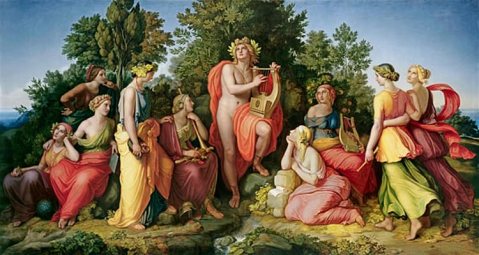
Choose one – and write a story about her, maybe you run into her at your local coffee bar, or shopping. What does she do, say, need?


“Don’t be afraid of failure. The reality is that most people successes rise out of the ashes of their previous failures.”
From a new documentary on Netflix titled Creativity. The narrator is talking to the creator of Game of Thrones. The creator is talking about how many times he’s failed.
I started this to say – what are you afraid of?
Then I wanted to ask – what if there was no such thing as fear? What would you do? What could you do?
I want you to think about that. What if fear was not in the human range of emotion or thought?
Do you know where to submit? There are a number of writing communities on facebook and twitter which post submission calls. In fact the hashtag #writingcommunity can help you find some too.
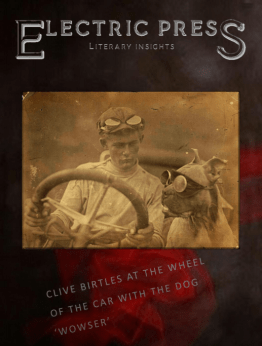
I was asked by author and now publisher, Paul White, to submit to his new project called Electric Press. It has just been published. I’m proud to say I have a short story and two poems within the digital pages.
I was also asked by Jack, from ReadLipsPress to submit (and to share the call for submissions) for Delphinium. Their annual Literary Journal. 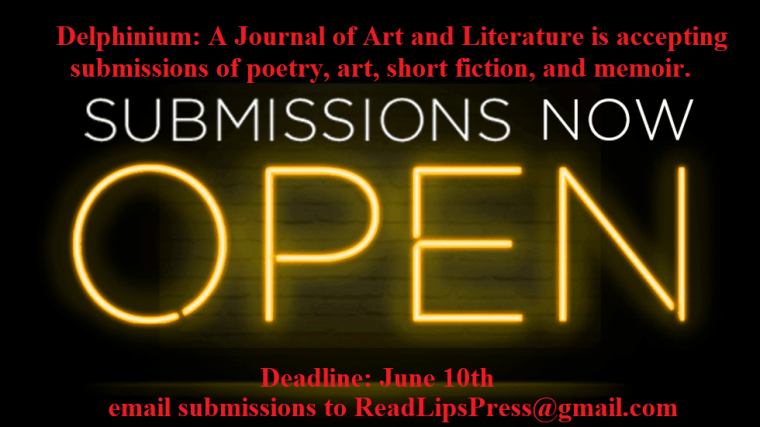
Finally, Paul White asked me to share his good news! The publication of his novella: A New Summer Garden.
A crime drama.
Sam was a down and almost out,  with little prospect for the future when he meets Rachelle, the beautiful wife of the philanderous Peter, the kingpin of an international criminal business empire.
When Peter catches Sam ‘in flagrante’ with Rachelle, he ensures Sam’s simple life becomes complicated.
What happens next takes Sam on a surreal path, where the only plausible outcome is for Sam to end up in prison or dead… most probably both.
You can find Paul at Ramblings from a Writer’s Mind
That’s it for now, beautiful people. Have a great day!
What we do, and what we plan to do, equal success or failure.
I was just reading an article which stated that people like Bill Gates and Steve Jobs schedule their time every day in five minute increments. Uhm, okay, I know we’re not going that. BUT – scheduling time and making a plan to write does equal success for writers.
This article on the daily habits of writers will give you a little insight: Daily Rituals
I think I read Writing Down the Bones maybe more than 20 years ago. I do believe it’s still on my bookshelf. I keep books that have spoken to me.
 Although one website says it’s a good book for beginning writers, I think we might all find some inspiration in these pages.
In yoga, sometimes we go back to level one, we go back to the training. After so many years of doing it, so many teachers putting their own twists on it, so many times we’ve worked with (or around) an injury – it’s good to go back to the basics.
I see nothing wrong with doing that in writing either.
I’m planning to pick it up again – see what else I can learn, what I might relearn.
For most writers, getting a contract from a traditional publishing house is the golden biscuit, the grand reward after a struggle with run-on sentences, superfluous commas, and tired clichés. Many people will then spend years looking for an agent, and then have an agent try to place their work with a publishers, big or small.
But here’s reality: unless you’re J.K. Rowling or Stephen King, you’re almost certainly not going to receive the red carpet treatment you’re no doubt envisioning. Once upon a time, not a long time ago, self-publishing was considered the literary outback, the place for hacks. Now, in an ironic twist, we just may be witnessing the reversal of fortune. The Bix Six seem to be wallowing in their formulas. Meanwhile, much fresh thinking is coming from self-published authors who build their followings online. So rather than wait for your genius to be appreciated, here are six reasons you should consider being self-published:
Your hired editor may suggest changes, and you should listen. But ultimately you stand or fall on the product. You won’t have to deal with the agent who refuses to read a manuscript because she never looks at anything that begins with dialogue, or one who says she won’t consider a novel written in the first person, or one who says the work cannot have a “Prologue” or an “Afterward.” Ask yourself if a reader ever put a book back on the bookstore shelf for any of those reasons and you’ll begin to see how silly and random the process can be.
With self-publishing, your works can live on forever. Or, if later on your freshman effort embarrasses you, you can make it disappear with the click of a mouse.
If you’re unsure how to design a cover (and it involves a lot more than putting your title over a picture and your name on the bottom), google some freelance artists who do it. Study their work and contact the ones you like. If you don’t want to shell out the cash, and you have access to some design tools yourself, find covers of comparable works and study what you like, then try to imitate it as best you can.
John Grabowski worked in advertising, television news and public relations before daring to write his first novel. Entertaining Welsey Shaw was praised by Kirkus Reviews for being witty, fast-paced, and “filled with flirtatious banter.” A collection of his shorter fiction, Violet Rothko & Other Stories, will be published in September 2019. authorjohngrabowski.com
____________________________________________________________________________________
Thanks, John!




 Noreen Lace
You must be logged in to post a comment.