How it feels to write after a long time

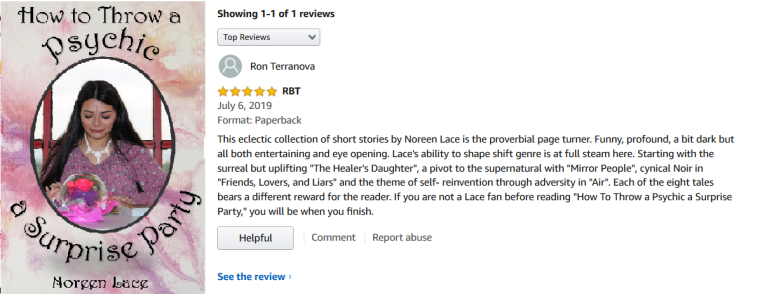
Reviews are so important to writers; it helps other readers make more informed decisions. I’m always grateful for a review and even more grateful for a good review!
My first review for the new book of short fiction! Thank you! See it on Amazon!
You don’t have to be a psychic to know there are things writers have in common. Some love them, some hate them. But, if you’re a writer and they haven’t happened to you yet, they will!
Now, given this is my page – I’ll plug my own book – released this week. Get it here!
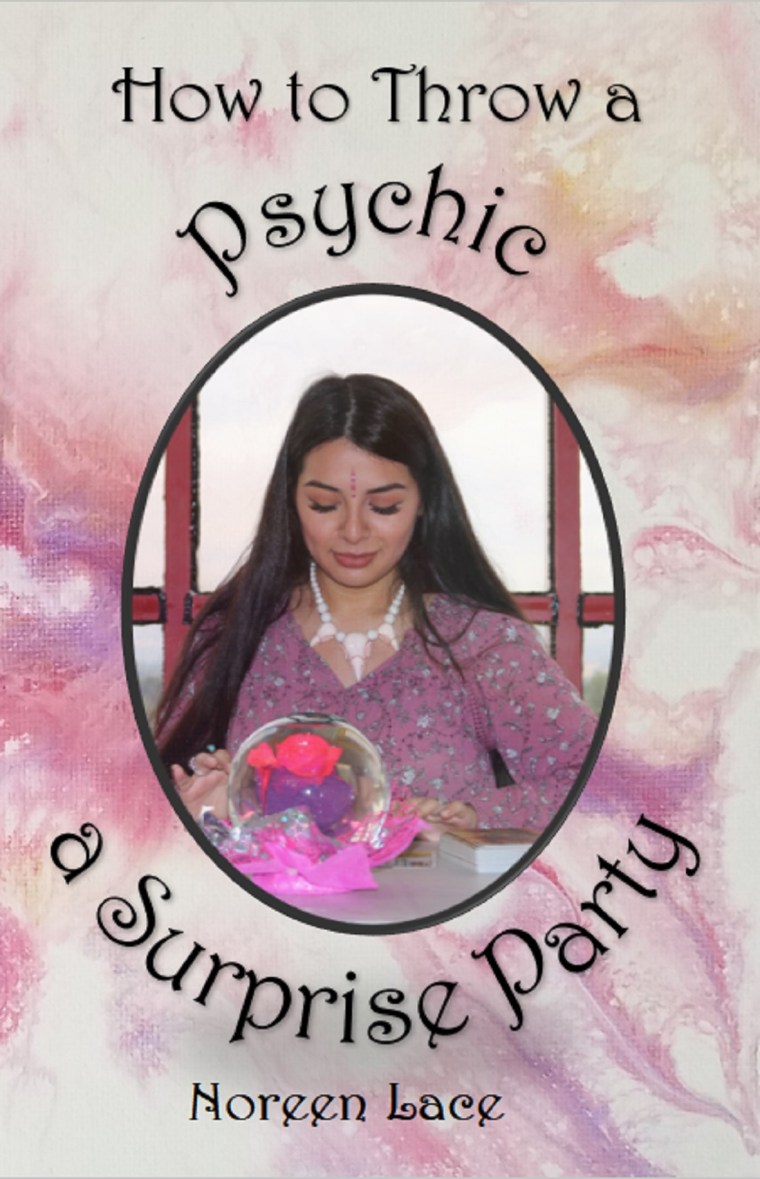
These might be some of the best stories I’ve ever written – even if I do say so myself.
Malcom Gladwell has a theory – it takes 10,000 hours to perfect one’s craft. Well, I think, perhaps I’ve hit 50,000, maybe 100,000.
Beyond that – one learns, one grows wiser with age; hopefully, that is what you’ll read in these stories. Wisdom. Empathy. Healing.
Available now. on amazon and kindle.
Find out how to throw a psychic a surprise party.
I sincerely understand when print journals ask for a reading fee of a few dollars. Print journals do not sell well, they have a staff, and some of the ones on the “best literary journals” get many more submissions than they can use. As well, if they are using submittable, the larger print journals have to pay a fee to use the service.
Submission fees can range from $1 to $10. I’ve seen some as high as $20 or $25 for a submission of a short story. I call bullshit.
I understand a reading fee of $5.00 or under. $10.00 is questionable. But then – more than that – No. No. And no.
Especially for an online literary journal run by one or two people. I’m not saying they don’t deserve to earn money. I am saying I don’t think they should be charging writers that much to read their fiction, poetry, or memoir.
There’s one website run by a single person – I won’t publically shame them – who has “contests” nearly every month. This person charges between $7.00 and $10.00 for each contest and offers minimal feedback; however, I have yet to see one print journal even though her copy says, winners will be published in the journal.
I have no idea how many people fall for that.
Research the journal carefully and ask yourself what you’re supporting. If you believe in what they are doing – then by all means pay the fee. Don’t pay a fee in desperation of being published. If you’re good, publication will come.
 As a writing community, I believe we need to help one another. There doesn’t need to be a competition or an unfriendly or unhealthy antagonism between us. We are people who share a love of the written word, a desire to share our stories.
When one of my writer friends introduced me to one of her writer friends, I was happy to join and jump in to help.
I had the honor of helping Dan Rhys bring The Lone Escapist to publication life.
When I heard he’d become a finalist in the Chanticleer Awards, I knew his book would be a great success.
It’s a detective, sort of mystery, sort of noir of old. I think Hitchcock would have loved it. The baser of our human needs and selves sometimes win out and cause us larger problems. Where exactly was Kelton when a school shooting took place in his very own classroom?
Wracked with guilt, he wants to find the shooter himself.
Released just this week – the writing is tight and the topic is contemporary – The Lone Escapist is available on kindle and in print. Audiobook to follow.
How do you get your book to become a finalist? to win an award? – Read Dan’s and find out!
 I’m open to a great number of inspirations. There’s a little understood affectation on people’s faces when they’re happy, when they’re sad, lying, telling the truth. Their faces betray what their words do not. However, not many people on the planet are very good at reading or understanding these micro-expressions.
For example, when a person is really happy, their eyes show it first. Their eyes brighten and lines around their eyes lift and tighten (I think), regardless of what their mouth actually does. At least this is what I understand.
I was inspired by these facts or theories and wrote a little story called “Deception.”
Deception is about a woman who believes she can read others’ micro-expressions and no one can read hers – because they’re not bothering to look.
I submitted this to one editor and he rejected it with a passion. I think I struck a nerve. He was obviously offended.
The story is fiction. It’s completely fiction. But, obviously, something about it was too real for him.
I believe it might be a bit too real for many, many people.
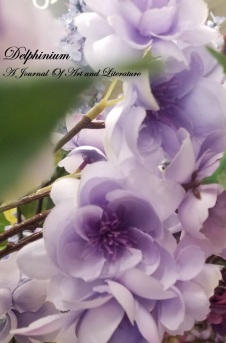
It’s in the summer issue of Delphinium. Available now.





 Noreen Lace
You must be logged in to post a comment.