 Many years ago, All The Beautiful People was accepted for publication. But, then, as happens sometimes, I got the dreaded letter (yes, that’s how many years ago it was) in the mail stating that they had accepted too many things and something had to be bumped. The editor apologized and said they’d keep it in their files, but I should feel free to submit it elsewhere.
I did so.
A year later, that story was accepted for publication in another journal.
Even another year later, the original journal – with a new editor – wrote me via email and said they’d decided to use All the Beautiful People in their upcoming edition.
I responded that they were welcome to use the story; however, it had been accepted and was scheduled for publication by another journal. The publications would come out about six to nine months apart.
I never heard from that second journal and believed they had removed the story from their journal and their archives.
Six months later, I received a copy of the beautiful journal and my story within its pages. YET – they’d billed the story as a memoir – it was fiction – and they’d cut off the last paragraph.
I was a little embarrassed. The girl in the story does things I would never have never  done. I was concerned what readers might think – that this might serve as some sort of legacy I couldn’t live down.
See – with the last paragraph – it could NEVER EVER EVER be mistaken as memoir. I sent off a quick email to tell them these two things.
The editor dashed off a quick and nasty response – that they had published it as received, adding some choice and unprofessional comments. She made it sound as if I’d sent it directly to her and that she hadn’t pulled it from their archives.
I responded with the history of the piece, date sent, date accepted, and by whom, date and reason it was taken out, and by whom, etc.
I received another quick and dirty response. I wish I would have kept that email – misspelled words, inappropriate language, and completely and utterly unprofessional. I decided to look this person up. I then forwarded her emails to her employer.
She had found All The Beautiful People in the other publication – the one which was attributed correctly and published fully – and accused me, in her fancy slang, of lying, cheating the system, and whatever else she felt necessary. Another email I forwarded to those who were really in charge of the journal.
I again responded – with the forward – the series of events that had transpired offering all the original letters, archived in my own files, and the emails, which I had still in my saved box.
 I didn’t hear from any of them again. But they did put a tiny little line in an inconspicuous place on their website that the story was mislabeled as memoir and should read fiction.
Now, it could have easily been a little mistake to publish it as memoir; however, again, the last paragraph would have told ANY reader that was wrong. Therefore, the missing last paragraph and the misattribution made me wonder. Still, this problem could have been easily, politely, and professionally handled.
I was shocked to learn that the editor who had acted so poorly was a lecturer at a University and had a book or two to her own credit. I do not believe she continued as the editor after that, but I didn’t bother to check.
I learned two valuable lessons from this experience – KEEP EVERYTHING! and always act like a professional.


 Although many people are content with the reason of Poe’s continued relevance in our society is the stereotypical tortured artist. There is no doubt he was tortured, and for reasons of which we are all familiar; he was an orphan who lost every women he ever loved.
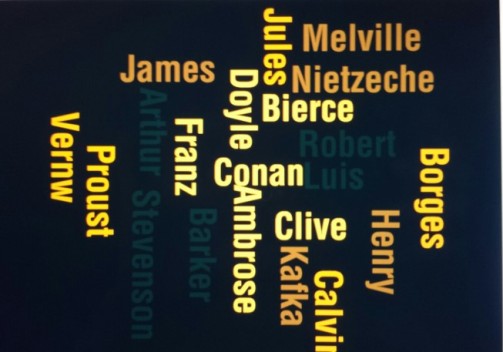 our deepest fears and deepest desires. He has continued to inspire other writers
 and artists of all types.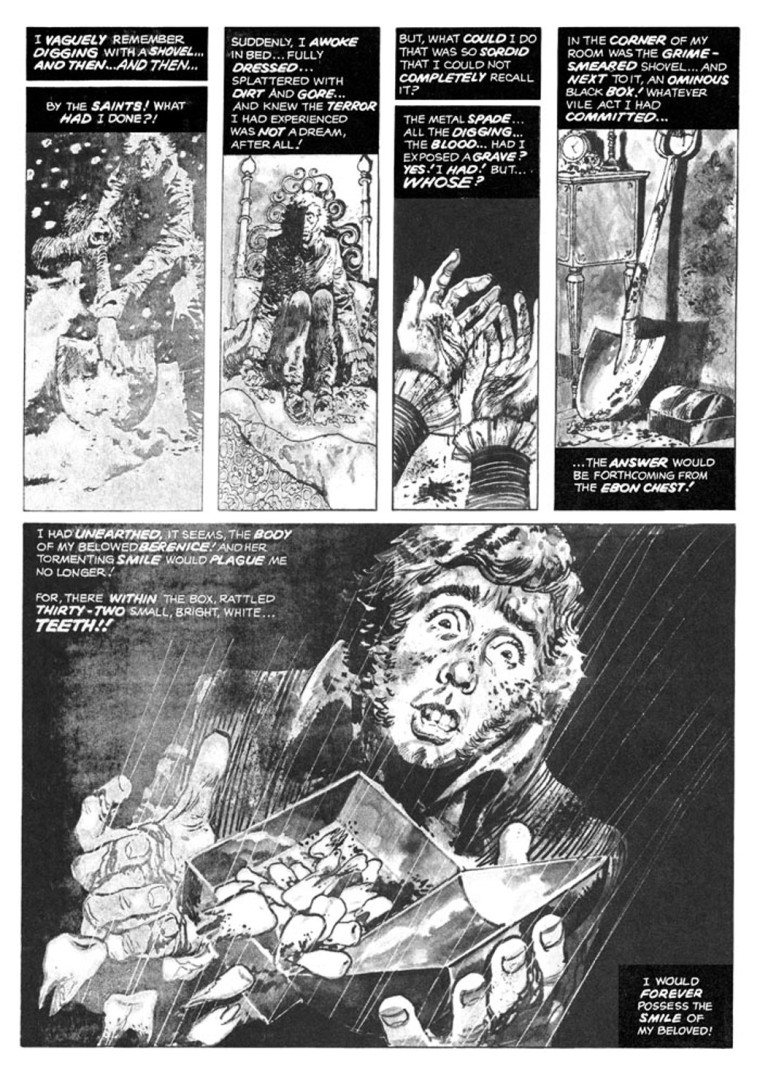



 higher protein” claims.
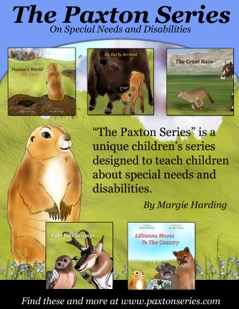 using the wild animals of the area as our characters. (Paxton the Prairie Dog shows up in every book, if nothing more than in a cameo appearance!) The books are written for the child with the disability or special need….and for the child that asks, “What is wrong with my friend?” —and there are amazing illustrations, thankfully from someone who is able to acclimate the disability to the particular animal!
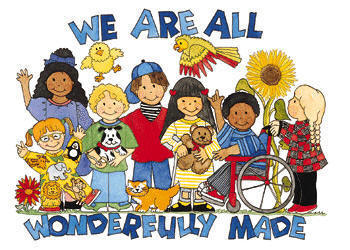 certainly not for those young ones introduced to special needs children, as integration into mainstream classrooms continue. Their peers are often confused by what they see as “different” and perhaps even “wrong” when it can’t be defined by the “normal classroom rules.” My books attempt to bridge that gap, and are a great starting place for teachers. They are written to aid in understanding, inclusion, and acceptance of those behaviors that are different from the traditional “norm.”
 I know people say writing is a commitment, but it’s more than that. Writing isn’t “like” a relationship, it IS a relationship. A writer must be involved with the whole process of writing, must love it, need it, want to continue to work to make it better. It takes commitment, time, dedication, and the desire to move forward in life with writing.
 name) said, “You have to be selfish. You must take the time for yourself, for your writing.” He went on to say he spent every Friday at a hotel with his writing. (are you picturing him checking into a seedy, no-tell motel with an old typewriter?;-)
 naturally form relationship goals! If writing were a romantic relationship, how would you handle it differently? Would you want to go to sleep with it or wake up with it or both? What would you want to give it? Would you spend more time with it, going over the details, working it out so it was just perfect, going over it and over it again to work it out nice and smooth? What do you do for your significant other? Take it out to dinner? On vacation?


 Noreen Lace
You must be logged in to post a comment.