 Many years ago, All The Beautiful People was accepted for publication. But, then, as happens sometimes, I got the dreaded letter (yes, that’s how many years ago it was) in the mail stating that they had accepted too many things and something had to be bumped. The editor apologized and said they’d keep it in their files, but I should feel free to submit it elsewhere.
I did so.
A year later, that story was accepted for publication in another journal.
Even another year later, the original journal – with a new editor – wrote me via email and said they’d decided to use All the Beautiful People in their upcoming edition.
I responded that they were welcome to use the story; however, it had been accepted and was scheduled for publication by another journal. The publications would come out about six to nine months apart.
I never heard from that second journal and believed they had removed the story from their journal and their archives.
Six months later, I received a copy of the beautiful journal and my story within its pages. YET – they’d billed the story as a memoir – it was fiction – and they’d cut off the last paragraph.
I was a little embarrassed. The girl in the story does things I would never have never  done. I was concerned what readers might think – that this might serve as some sort of legacy I couldn’t live down.
See – with the last paragraph – it could NEVER EVER EVER be mistaken as memoir. I sent off a quick email to tell them these two things.
The editor dashed off a quick and nasty response – that they had published it as received, adding some choice and unprofessional comments. She made it sound as if I’d sent it directly to her and that she hadn’t pulled it from their archives.
I responded with the history of the piece, date sent, date accepted, and by whom, date and reason it was taken out, and by whom, etc.
I received another quick and dirty response. I wish I would have kept that email – misspelled words, inappropriate language, and completely and utterly unprofessional. I decided to look this person up. I then forwarded her emails to her employer.
She had found All The Beautiful People in the other publication – the one which was attributed correctly and published fully – and accused me, in her fancy slang, of lying, cheating the system, and whatever else she felt necessary. Another email I forwarded to those who were really in charge of the journal.
I again responded – with the forward – the series of events that had transpired offering all the original letters, archived in my own files, and the emails, which I had still in my saved box.
 I didn’t hear from any of them again. But they did put a tiny little line in an inconspicuous place on their website that the story was mislabeled as memoir and should read fiction.
Now, it could have easily been a little mistake to publish it as memoir; however, again, the last paragraph would have told ANY reader that was wrong. Therefore, the missing last paragraph and the misattribution made me wonder. Still, this problem could have been easily, politely, and professionally handled.
I was shocked to learn that the editor who had acted so poorly was a lecturer at a University and had a book or two to her own credit. I do not believe she continued as the editor after that, but I didn’t bother to check.
I learned two valuable lessons from this experience – KEEP EVERYTHING! and always act like a professional.
 I guess it’s a threat to make people not want to cross a writer, make them afraid they’ll be named. An odd thing is sometimes people think I put them in a book or poem even though they hadn’t occurred to me at all during the writing. Then there are those who want to be in a story.
 All families have secrets. I think that’s why some of us become fiction writers. Maybe, much to our family’s horror.
 different people whispered to me at times, laughed about at other times, assumptions from other people – all mixed up in a writer’s brain to spurt out under the pressure of a story.


 Once I saw my book Eddy was on sale far below what I’d seen before. I contacted the publisher who told me that Amazon had put it on sale to compete with another website. Really?
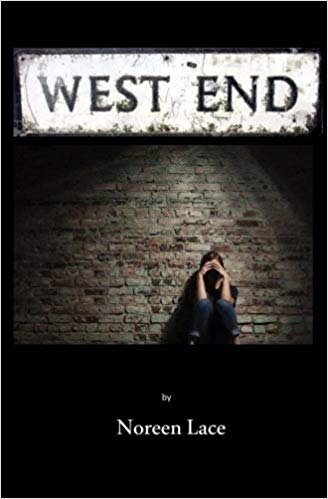 I’ve written so many stories from first person point of view. At first, I was nervous because people did ask – is that real? is that you? and even contacted me and said – I know that’s about you.
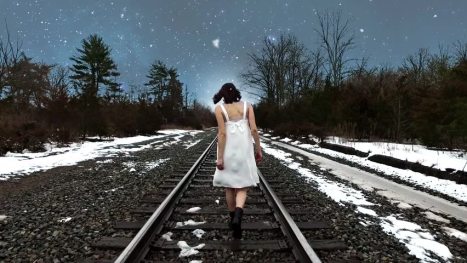 from someone who believed they knew me thought it wasn’t a realistic portrayal of me. I had to tell him because the character was not me! While the same story convinced another person that I’d led a secret life prior to moving to California.




 Although one website says it’s a good book for beginning writers, I think we might all find some inspiration in these pages.
 Noreen Lace
You must be logged in to post a comment.